Introduction to a Changing Gaming World
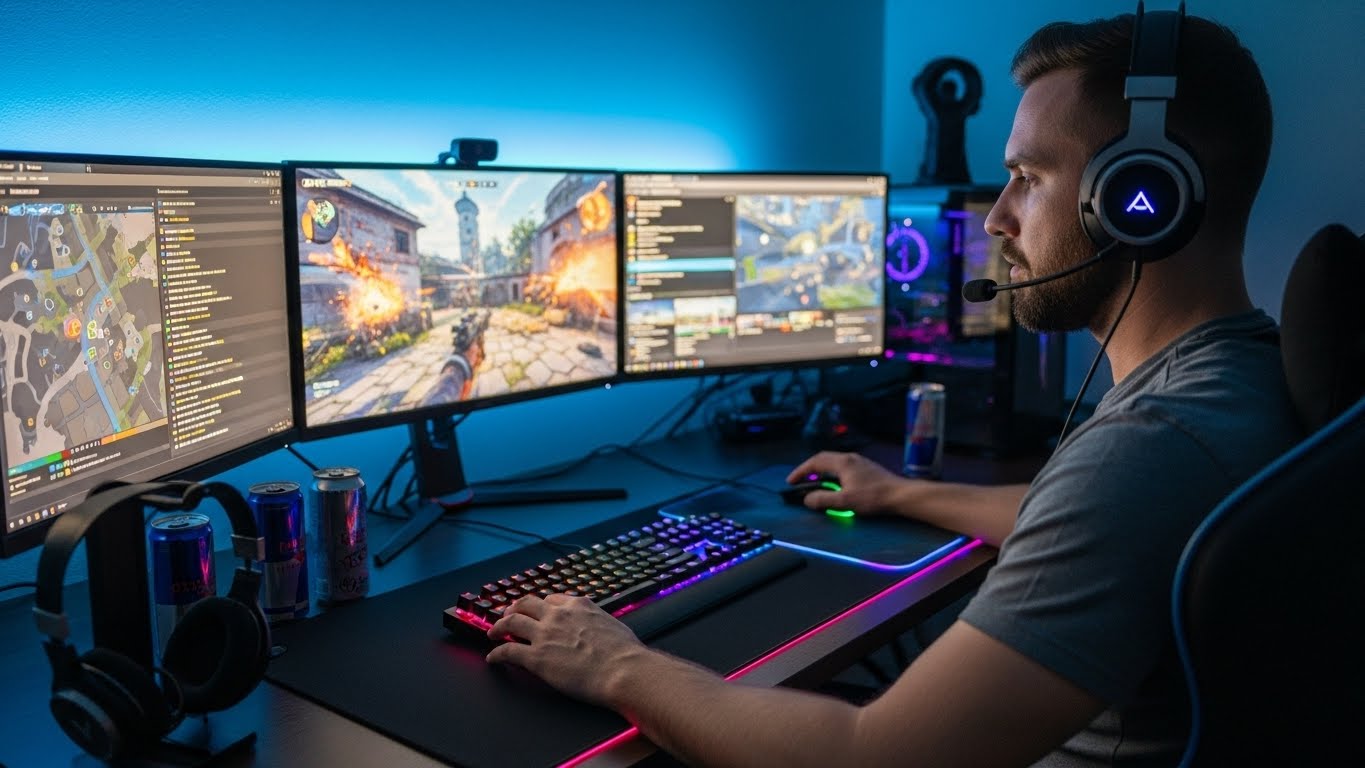
Gaming has evolved far beyond simple entertainment. What once began as small pixelated characters bouncing across a screen has transformed into immersive worlds, breathtaking visuals, and deeply emotional storylines. The modern gaming landscape is a combination of artistry, technology, competition, and community. Today, gaming stands as one of the most influential cultural forces, shaping how people socialize, learn, compete, and even work. As this digital battleground continues to grow, it brings both opportunities and challenges for the new generation of players who step into its ever-expanding realms.
The Rise of Gaming as a Cultural Phenomenon
In the past, gaming was often considered a hobby for a small niche group. Now, it has become a global cultural phenomenon that cuts across age, gender, and background. Everyone from young children to older adults finds something to enjoy in the world of gaming. Part of this transformation comes from the variety of games now available. Whether someone wants to solve puzzles, explore massive open worlds, compete in fast-paced battles, or relax with casual gameplay, there is something for every personality and interest.
Gaming is also shaping global culture through storytelling. Many titles feature complex narratives that rival those of movies or novels. These stories explore deep themes like identity, loss, friendship, and morality. Players do not just watch these stories unfold; they actively interact with them. This level of involvement creates emotional connections that traditional media rarely achieve. As a result, gaming has stepped into the cultural spotlight as a powerful medium that influences how people think, feel, and communicate.
The Impact of Technology on Modern Games
Technology plays a significant role in shaping today’s gaming experiences. The improvement of graphics, sound design, and gameplay mechanics continues to push boundaries. Modern gaming platforms deliver visuals so realistic that players sometimes feel as though they are stepping into another world. High-performance hardware allows developers to create intricate environments, dynamic weather systems, and lifelike characters that respond intelligently to player behavior.
Artificial intelligence has also become a key component in making games more immersive. Non-player characters now adapt to the player’s strategy, making encounters unpredictable and exciting. Advances in physics engines create smoother movements, more realistic interactions, and natural environmental reactions. Meanwhile, cloud gaming services allow people to access high-quality experiences without needing expensive hardware. These technological leaps ensure gaming remains innovative, exciting, and accessible to a wider audience than ever before.
The Growth of Online Multiplayer Communities
Online multiplayer gaming has completely transformed how people connect. Instead of playing alone or with a few friends at home, players now engage with millions of others from all around the world. These virtual communities form around shared interests, strategies, and goals. Many players develop long-lasting friendships through online games, and some even find teammates who eventually become like family.
The sense of competition and cooperation within these communities is unmatched. Players join forces to defeat powerful enemies, complete challenging missions, or climb competitive ranking ladders. This creates an environment where teamwork, communication, and strategy are essential. For many individuals, online gaming offers a space where they can express themselves freely, feel accepted, and build confidence.
However, like any community, online gaming has its challenges. Toxic behavior, disputes, and communication barriers can sometimes arise. Thankfully, many developers implement systems that encourage positive interaction and reduce negativity. Voice chat moderation, reporting features, and supportive community guidelines help maintain a healthy digital environment for all players.
The Influence of Esports on the Gaming Industry
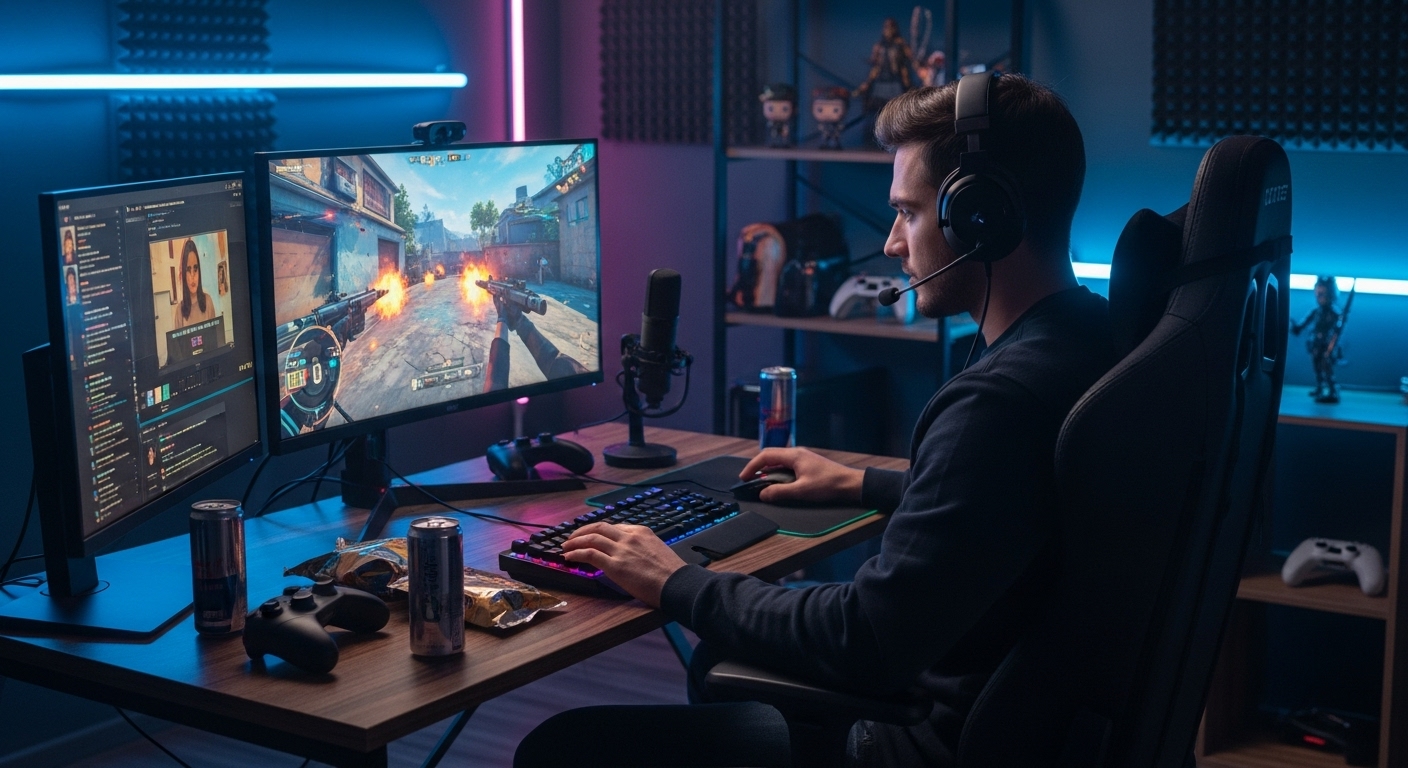
Esports has become one of the most exciting developments in modern gaming. What began as small local tournaments has grown into a billion-dollar industry with international competitions, professional players, and massive global audiences. Esports events fill stadiums, attract top sponsors, and generate excitement comparable to traditional sports.
Professional players train for hours every day, refining their skills, studying opponents, and developing strategies. Their dedication has elevated gaming to a competitive discipline that requires focus, discipline, and teamwork. Esports organizations provide coaching, training facilities, and structured teams, creating a pathway for talented players to build careers.
The influence of esports also extends to younger gamers who dream of going professional. While not everyone becomes a competitive athlete, many take inspiration from esports to improve their gameplay, learn teamwork, and set personal goals. This competitive environment encourages personal growth and builds life skills such as communication, decision-making, and time management.
Gaming as a Tool for Learning and Skill Development
One of the most underestimated aspects of gaming is its educational potential. Many games require strategic thinking, problem-solving, creativity, and quick reflexes. Strategy games teach players how to plan and make decisions under pressure. Adventure games often challenge players with puzzles that stimulate logic and critical thinking. Even competitive shooters require teamwork and fast decision-making.
Simulation games introduce players to real-world systems such as economics, city planning, and resource management. These experiences can spark interests that lead to academic or career paths. Games that encourage creativity, such as building or design-focused titles, help players develop imagination, spatial reasoning, and artistic skills.
Additionally, educational games designed for classrooms help students understand subjects like math, history, and science in a more interactive and enjoyable way. Learning becomes more engaging when students can visualize ideas and apply them in real-time.
The Psychological Benefits and Challenges of Gaming
Gaming offers a variety of psychological benefits. It can reduce stress by providing an escape from daily responsibilities. Many players use games to relax, unwind, and recharge. Immersing oneself in a virtual world can help improve mood and create a sense of achievement after completing tasks or challenges.
Another benefit is the development of perseverance. Games often require repeated attempts before achieving success. This builds resilience and teaches players how to handle failure productively.
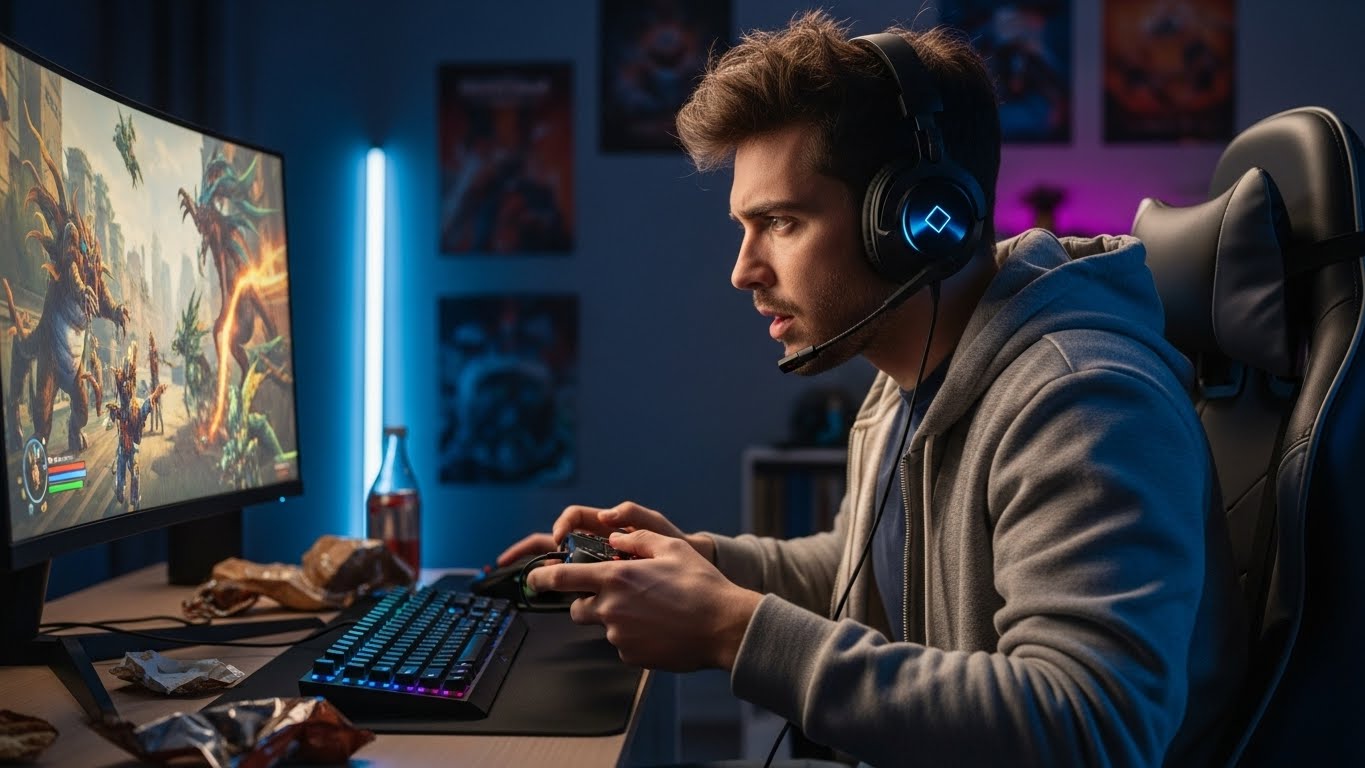
However, like any activity, gaming must be balanced. Excessive play can lead to unhealthy habits or reduced productivity. It is important for individuals to set boundaries and maintain a healthy lifestyle that includes physical activity, social interaction, and proper rest. Responsible gaming habits ensure players enjoy the medium without letting it interfere with their overall well-being.
The Importance of Narrative in Modern Gaming
Stories have always been central to human culture, and modern gaming uses storytelling in powerful ways. Many games feature deep narratives that guide players through emotional journeys. These stories allow players to form connections with characters, explore moral dilemmas, and make meaningful choices that affect the storyline.
Interactive storytelling gives gaming a unique advantage over other media. Players are not merely observers; they are active participants who shape the outcome. This involvement creates unforgettable emotional moments and encourages players to think more deeply about their decisions.
Gaming narratives continue to evolve. Developers experiment with new techniques such as branching storylines, multiple endings, and character-driven choices. As storytelling becomes more sophisticated, gaming will continue to strengthen its role as a leading form of digital expression.
The Future of Gaming and Its Endless Possibilities
The future of gaming holds limitless potential. Virtual reality and augmented reality are becoming more advanced, offering new ways to experience digital worlds. Players may soon step into fully immersive environments that feel indistinguishable from reality.
Artificial intelligence will continue to enhance game experiences by making characters smarter and worlds more dynamic. Cross-platform play will bring players from different systems together, further strengthening the global gaming community.
Moreover, the line between gaming and other industries will continue to blur. Education, healthcare, entertainment, and business are all integrating gaming technologies to improve outcomes and engagement.
Conclusion
Gaming is no longer just a pastime; it is a global force shaping culture, technology, and human interaction. It teaches valuable skills, builds communities, and offers powerful emotional experiences. As technology advances and creativity continues to flourish, gaming will only grow more influential. The digital battleground is vast, exciting, and full of opportunities, inviting players of all kinds to step forward and take part in its ever-evolving story.