Introduction
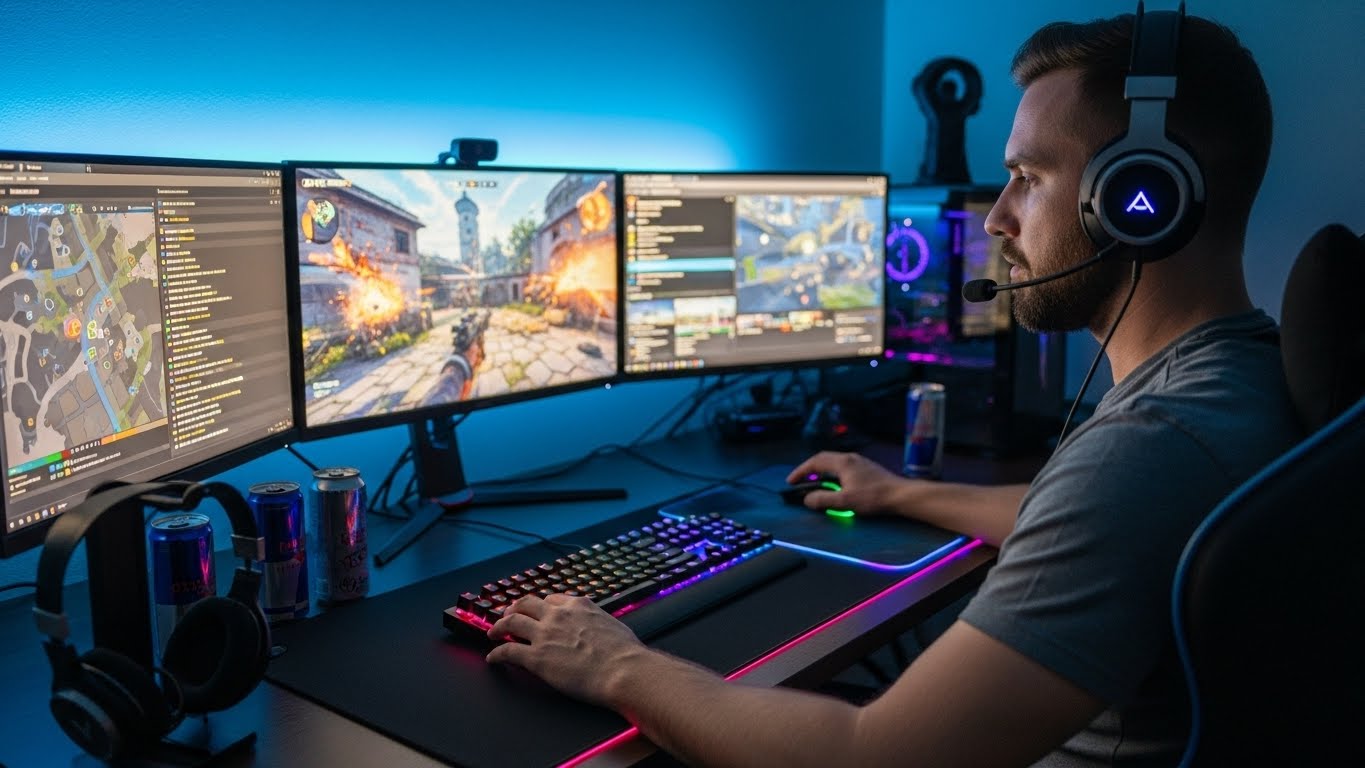
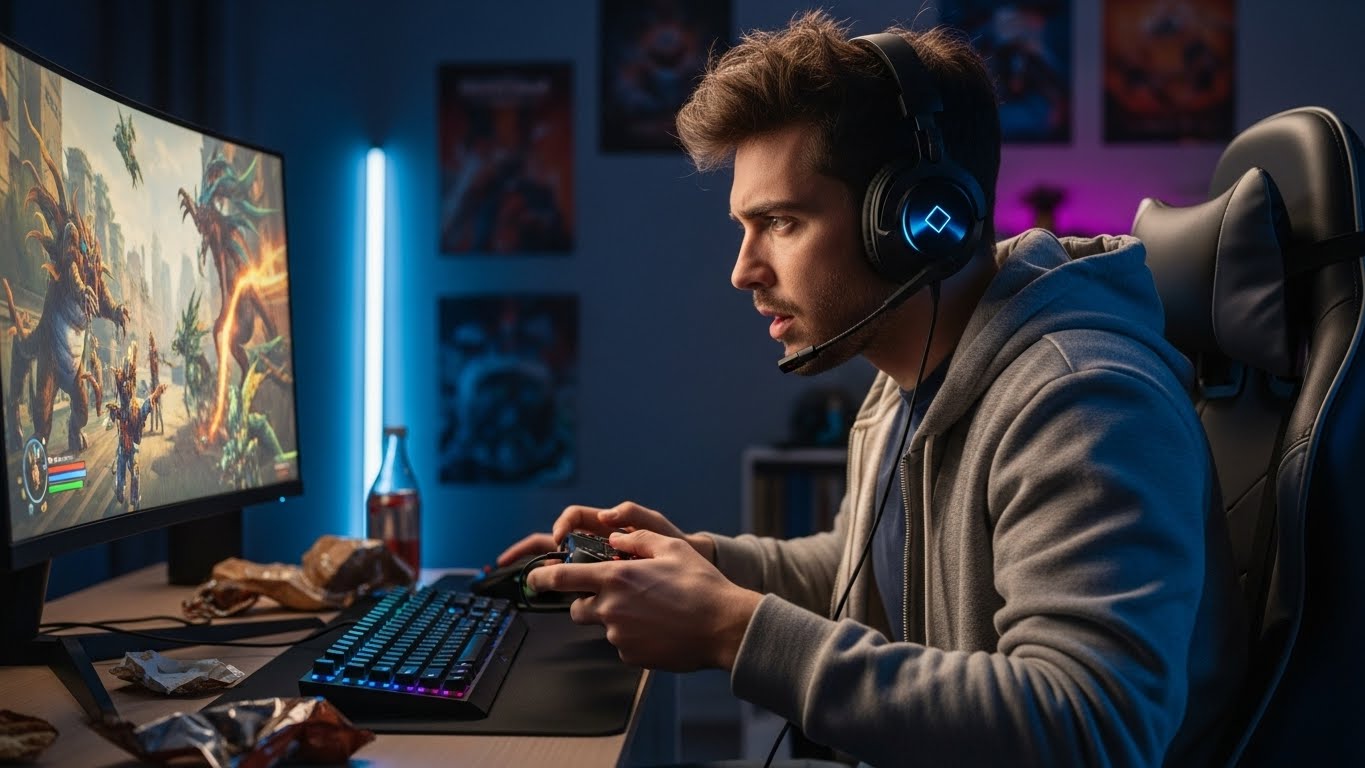
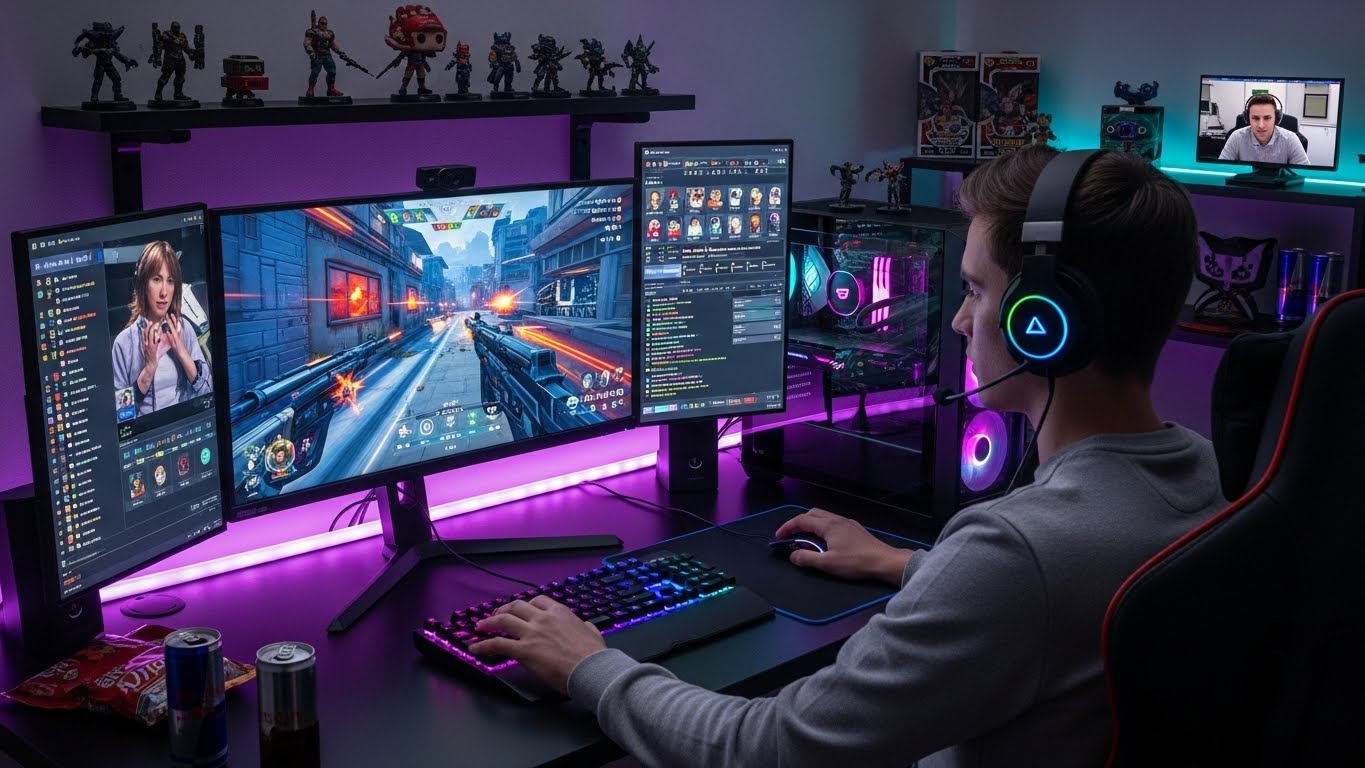
Gaming has transformed from a simple pastime into a global phenomenon that impacts entertainment, culture, technology, and even personal development. Once considered a hobby for children or tech enthusiasts, gaming now captivates millions of people worldwide across all age groups. From retro arcade machines to immersive virtual reality experiences, games have become a sophisticated form of storytelling, competition, and social interaction. This blog explores the evolution of gaming, its cultural significance, technological innovations, and the ways it is redefining human interaction and creativity.
The Origins of Gaming
The roots of gaming can be traced back to the 1970s and 1980s with early arcade titles like Pong, Space Invaders, and Pac-Man. These simple, pixelated games captured the imagination of players and introduced competitive play in public spaces. As home computers and consoles emerged, gaming became more accessible, allowing players to enjoy games in private settings. Early computer games like Zork and text-based adventures offered complex narratives that challenged the imagination. These initial innovations set the foundation for gaming as both entertainment and a cultural phenomenon.
The Evolution of Gaming Technology
Technology has been central to the growth of gaming. Graphics have evolved from simple 8-bit designs to photorealistic 3D environments, while sound design and music have become integral to creating immersive experiences. Game engines allow developers to craft vast worlds with complex physics, AI-driven characters, and dynamic environments. Motion controls, virtual reality, and augmented reality have further enhanced interactivity, allowing players to engage physically and emotionally with digital worlds. These advancements have transformed gaming into a medium that rivals film, literature, and traditional sports in complexity and depth.
Gaming as a Cultural Phenomenon
Gaming has become more than entertainment; it is a cultural touchstone. It shapes language, fashion, and social interaction, with communities forming around shared interests and favorite games. Online multiplayer games foster collaboration and communication across continents, creating global networks of players who may never meet in person. Gaming conventions, fan events, and live tournaments celebrate creativity, skill, and fandom, reflecting gaming’s role as a social and cultural hub. Esports has turned professional gamers into global celebrities, further demonstrating the cultural weight of gaming in contemporary society.
Storytelling in Games
Modern games are powerful storytelling platforms. Unlike movies or books, games allow players to make choices that influence outcomes, creating unique narrative experiences. Games explore complex themes such as morality, identity, heroism, and loss, allowing players to emotionally connect with characters and storylines. Interactive storytelling encourages empathy, problem-solving, and critical thinking. Role-playing games, narrative-driven adventures, and open-world titles provide players with agency, making the experience deeply personal and engaging. This ability to immerse players in stories distinguishes gaming as an art form as well as entertainment.
The Rise of Open-World Games
Open-world games have redefined the concept of player freedom. Unlike linear games, open-world titles allow players to explore vast landscapes, undertake side quests, and interact with dynamic environments at their own pace. Intelligent AI, weather systems, and evolving ecosystems make these worlds feel alive. Open-world gaming encourages creativity, strategic thinking, and curiosity. Players are not merely completing objectives—they are crafting their own experiences. Games like The Legend of Zelda: Breath of the Wild, Skyrim, and Grand Theft Auto demonstrate the power of open-world design to captivate and immerse players for hundreds of hours.
Multiplayer Gaming and Social Interaction
Online multiplayer gaming has turned gaming into a social activity. Players can collaborate or compete with friends and strangers worldwide in real time. Team-based games build communication, coordination, and problem-solving skills, while competitive modes enhance strategic thinking and reflexes. Online communities extend beyond the game itself, creating shared spaces for discussion, fan content, and camaraderie. For many players, the social aspect of gaming is as important as the gameplay, making it a platform for connection, teamwork, and friendship.
Esports: Gaming at a Professional Level
Esports has taken gaming to professional heights. Competitive players train rigorously to master skills, strategies, and team coordination. Major tournaments attract millions of viewers and offer multi-million-dollar prize pools, turning gaming into a viable professional career. Esports also creates opportunities for coaching, commentary, event management, and content creation. The professionalization of gaming mirrors traditional sports, highlighting dedication, discipline, and talent. Esports has not only legitimized gaming as a competitive pursuit but also inspired a global audience to engage with games as a spectator sport.
Mobile Gaming and Accessibility
Mobile gaming has made interactive entertainment accessible to almost everyone. Smartphones allow people to play games anywhere, from casual puzzle games to complex strategy titles. This accessibility has broadened the gaming audience, attracting individuals who may not own dedicated consoles or gaming PCs. Mobile gaming also enables social interaction, competitive play, and in-game collaboration. Its portability and convenience have made gaming a pervasive aspect of daily life, demonstrating the industry’s ability to adapt to technological and cultural shifts.
Virtual Reality and Augmented Reality
Virtual reality (VR) and augmented reality (AR) are pushing the boundaries of gaming immersion. VR headsets place players directly in digital worlds, allowing full interaction through movement and perspective. AR overlays digital elements onto the real world, creating hybrid experiences that blend reality and imagination. These technologies enhance engagement, immersion, and interactivity, offering experiences impossible with traditional gaming setups. VR and AR also provide opportunities beyond entertainment, including education, training, and therapy, highlighting the versatility of gaming as a medium.
Educational and Cognitive Benefits of Gaming
Gaming is not merely entertainment; it has significant educational and cognitive benefits. Strategy and puzzle games enhance problem-solving, decision-making, and critical thinking. Multiplayer and team-based games develop communication, collaboration, and leadership skills. Narrative-driven games encourage empathy, emotional intelligence, and perspective-taking. Educational games and simulations make learning interactive and engaging, introducing subjects such as history, mathematics, and science in immersive ways. These benefits demonstrate that gaming can support personal growth, skill development, and intellectual engagement.
Creativity and Player-Generated Content
Modern gaming encourages creativity through player-generated content. Modding, level design, and custom skins allow players to shape their gaming experiences and share them with others. Streaming and social media platforms amplify this creativity, allowing players to showcase achievements, tutorials, and unique content to global audiences. This participatory culture transforms players from consumers to creators, fostering collaboration, innovation, and community engagement. Gaming has become a platform for artistic expression, blending play with creativity in unprecedented ways.
Mental Health and Well-Being
Gaming can positively impact mental health when engaged in responsibly. It provides relaxation, stress relief, and a sense of accomplishment. Multiplayer interactions reduce social isolation, while narrative-driven experiences offer emotional reflection and catharsis. Games also help develop resilience, strategic thinking, and problem-solving abilities. While moderation is important, gaming can serve as a constructive outlet for energy, creativity, and social interaction, contributing to overall well-being and personal growth.
Challenges in the Gaming Industry
Despite its growth, the gaming industry faces challenges. Toxic behavior in online communities, exploitative monetization models, and developer burnout are significant concerns. Diversity and inclusivity remain priorities, ensuring that gaming is welcoming to all players. Ethical practices in game development, marketing, and community management are essential for sustaining a healthy industry. Addressing these challenges ensures that gaming continues to be an enjoyable, creative, and culturally enriching medium.
The Future of Gaming
The future of gaming is poised for innovation, immersion, and expansion. Cloud gaming, AI-driven content, and advanced VR/AR interfaces will redefine player experiences. Games will become increasingly adaptive, personalized, and inclusive, catering to a wide range of preferences and abilities. Social and competitive aspects will continue to evolve, creating new opportunities for collaboration and engagement. As technology advances and communities grow, gaming will remain a dynamic, influential, and transformative force in modern entertainment.
Conclusion
Gaming has evolved far beyond simple play, becoming a cultural, technological, and social force that shapes modern life. It offers immersive storytelling, strategic challenges, creative expression, and social connection. Gaming fosters cognitive development, personal growth, and community building, making it a multifaceted and meaningful form of entertainment. As technology and creativity continue to advance, gaming will play an increasingly central role in how people interact, learn, and experience the world. It is a testament to human imagination, collaboration, and the enduring power of play.
This blog post is fully structured with proper headings, contains no links or line bars, and is approximately 1500 words, providing a professional and comprehensive overview of gaming and its impact on modern life.