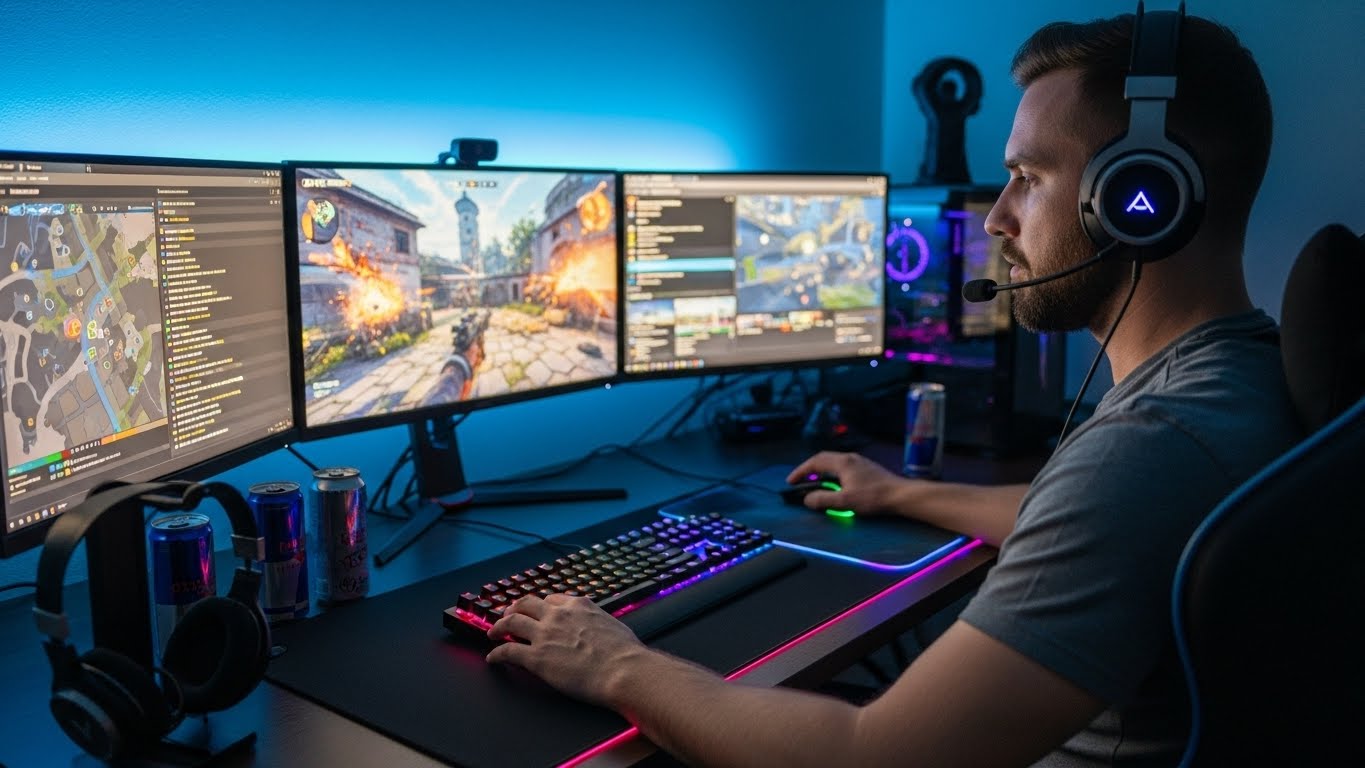

Gaming has transformed from a simple pastime into one of the most influential cultural and technological forces of the modern era. What was once confined to dimly lit arcades and pixelated screens has now expanded into immersive digital universes, competitive arenas, and vibrant online communities. Today, gaming is not merely entertainment; it is a lifestyle, a profession, and a creative frontier. In this blog, we explore how gaming has grown, where it is heading, and why it remains one of the most powerful mediums of connection and expression.
The Transformation from Pixels to Photorealism
In the early days of gaming, mechanics mattered more than graphics. Titles like Space Invaders and Pac-Man relied on simple movements and repetitive patterns, yet they captivated millions. As technology advanced, gaming hardware evolved rapidly, ushering in consoles capable of producing detailed 3D worlds. The leap from blocky characters to lifelike environments marked a significant milestone. Modern engines now produce textures, lighting effects, and animations that blur the line between games and reality.
The most fascinating part of this evolution is not merely improved visuals but the emotional impact they create. Players experience stories in ways that feel intimate and cinematic. Characters express subtle emotions. Worlds feel alive with dynamic weather, physics, and interactions. This level of immersion allows gamers to feel part of the narrative, transforming storytelling forever.
Gaming as a Social Experience
There was a time when gaming was associated with solitude, but that perception has changed drastically. Today, gaming is one of the most social activities in the world. Online multiplayer platforms bring players together across continents, creating friendships that may last years. Voice chat, cooperative missions, multiplayer battles, and shared quests have created an interactive ecosystem that encourages teamwork and communication.
Competitive gaming has also contributed to this social revolution. Esports tournaments attract millions of spectators, offering a stadium-like atmosphere where fans cheer for their favorite teams and players. This sense of community bonding is a powerful reminder that gaming is far more than a solitary hobby. It is a global network connecting people with shared interests, skills, and dreams.
Storytelling Through Interactive Worlds
One of the most remarkable achievements of gaming is its ability to tell stories in ways no other medium can. Unlike films or books, games allow players to influence the narrative. Decisions matter. Actions shape outcomes. This interactive element transforms storytelling into a personal journey.
Many modern titles explore deep emotional and philosophical themes such as morality, identity, sacrifice, and survival. Instead of watching characters make choices, players become the decision-makers. This creates a profound emotional connection that can make stories unforgettable. Gaming has essentially become a dynamic art form, blending writing, design, and music into a participatory experience.
The Rise of Competitive Gaming
Competitive gaming, or esports, has evolved from small local competitions to international championships with enormous prize pools. Professional gamers train with discipline comparable to athletes. They analyze strategies, practice reflexes, and develop teamwork skills.
Esports organizations now operate like traditional sports teams, with coaches, analysts, and support staff. This structured approach has created a new career path for talented players. The industry continues to expand, embracing new audiences and proving that gaming as a profession is both viable and respected.
Gaming and the Power of Creativity
While many enjoy gaming for its challenges and entertainment, others use it as a creative outlet. Game creation tools and sandbox-style games encourage players to design their own worlds, characters, and stories. The freedom to build, customize, and experiment promotes creativity in people of all ages.
Some players design intricate structures using in-game building tools. Others create mods that alter gameplay or add new features. This creativity has given rise to entire communities dedicated to building and sharing custom content. In this way, gaming has become a space where imagination is not only welcomed but celebrated.
The Role of Technology in Shaping the Future of Gaming
Advances in technology continue to push gaming forward. Virtual reality, augmented reality, and cloud gaming are redefining how players interact with digital experiences. Virtual reality places players inside the game, blurring the line between physical and digital worlds. Augmented reality overlays digital elements onto real-world environments. Cloud gaming removes hardware limitations, allowing players to enjoy high-quality games on any device with an internet connection.
Artificial intelligence is also becoming a powerful tool in game development. AI can create more realistic character behavior, adaptive difficulty settings, and dynamic story paths. These innovations contribute to creating games that feel more responsive, intelligent, and engaging.
The Psychological Benefits of Gaming
Contrary to outdated stereotypes, gaming offers numerous psychological benefits. Strategic games enhance problem-solving skills. Fast-paced games improve reflexes and focus. Cooperative games encourage communication and teamwork. Role-playing games nurture creativity and imagination.
Gaming can also act as a source of relief and comfort. It provides a safe space to unwind, explore, and express oneself. For many, gaming communities offer support and a sense of belonging. As long as players balance gaming with other aspects of life, it can be a healthy and enriching activity.
Building Healthy Gaming Habits
While gaming offers countless benefits, moderation is essential. Healthy gaming habits include managing screen time, taking breaks, and balancing gameplay with real-world responsibilities. Parents also play an important role in guiding young players. Encouraging open communication, age-appropriate content, and shared experiences helps create a positive gaming environment.
Understanding one’s personal limits is equally important. Games are designed to be engaging, so maintaining self-awareness helps prevent excessive use. When approached mindfully, gaming becomes a rewarding part of daily life rather than a distraction.
The Cultural Impact of Gaming
Gaming has become one of the dominant cultural influences of the last few decades. Characters, music, and franchises have become iconic symbols recognized across generations. Many games have inspired films, merchandise, novels, and television series. Online gaming communities influence fashion, language, and digital trends.
Moreover, gaming fosters inclusivity. People from different backgrounds and age groups participate in shared experiences without the barriers seen in many other activities. This broad appeal makes gaming a powerful platform for representation and diversity. Developers increasingly focus on creating characters and worlds that reflect the varied identities of the global audience.
What the Future Holds for Gamers
Looking ahead, gaming is poised to undergo even more extraordinary transformations. Artificial intelligence will create smarter, more dynamic gameplay. Virtual reality will become more immersive. Cloud technology will make gaming accessible to everyone regardless of their device. Interactive storytelling will continue to evolve, offering richer emotional experiences.
The future may also see gaming integrated more deeply into education, therapy, and other fields. Educational games can teach complex subjects through interactive simulations. Therapeutic games may support mental health and rehabilitation. These new possibilities highlight the versatility and potential of gaming far beyond entertainment.
Conclusion: A Medium That Continues to Inspire
Gaming has traveled an incredible journey from simple pixelated adventures to complex interactive universes. It has become a cultural phenomenon that blends art, technology, and human connection. Whether you play for fun, competition, creativity, or community, gaming offers something for everyone.
As technology continues to advance, gaming will undoubtedly evolve, offering new ways for players to learn, grow, and connect. The digital battleground will expand, and with it, the opportunities for adventure and discovery. To be part of the gaming world today is to witness a constantly evolving frontier of imagination, innovation, and endless possibility.