Introduction: The Rise of Gaming Culture
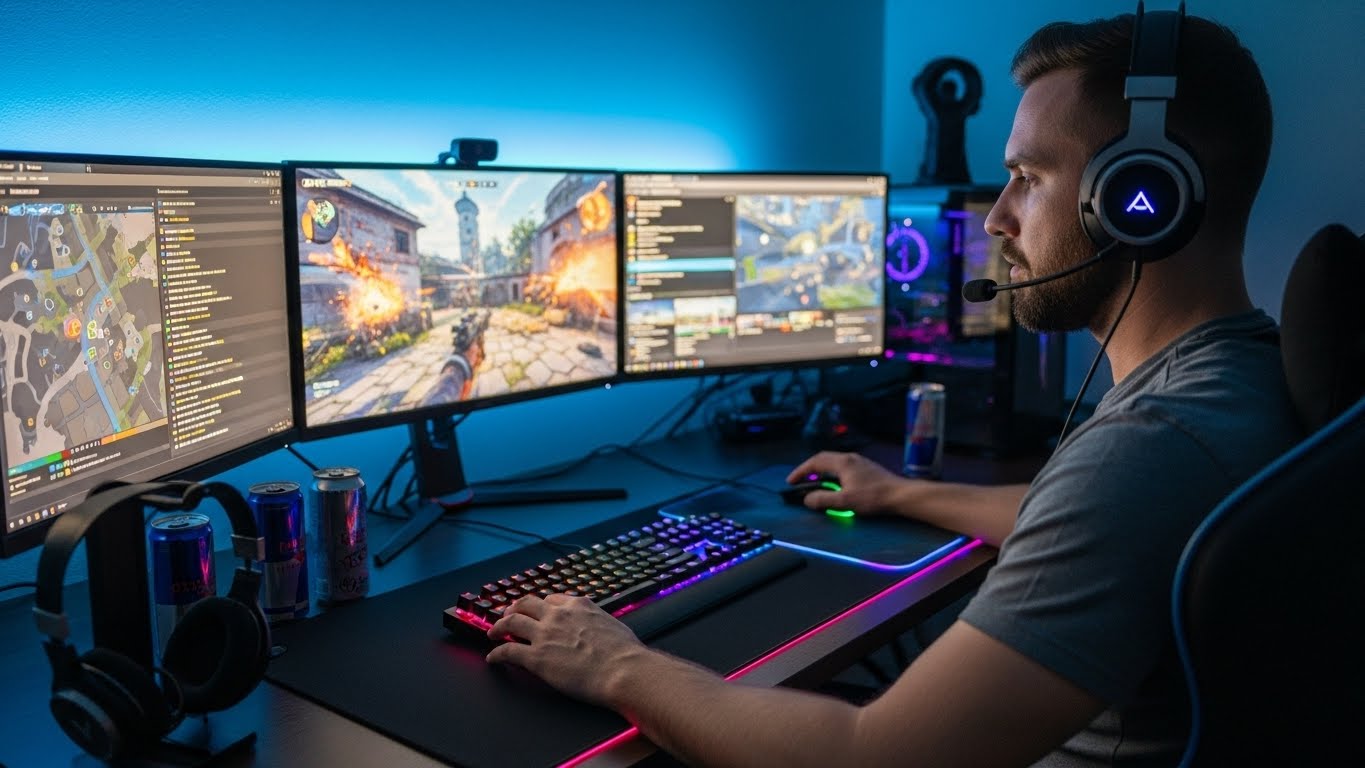
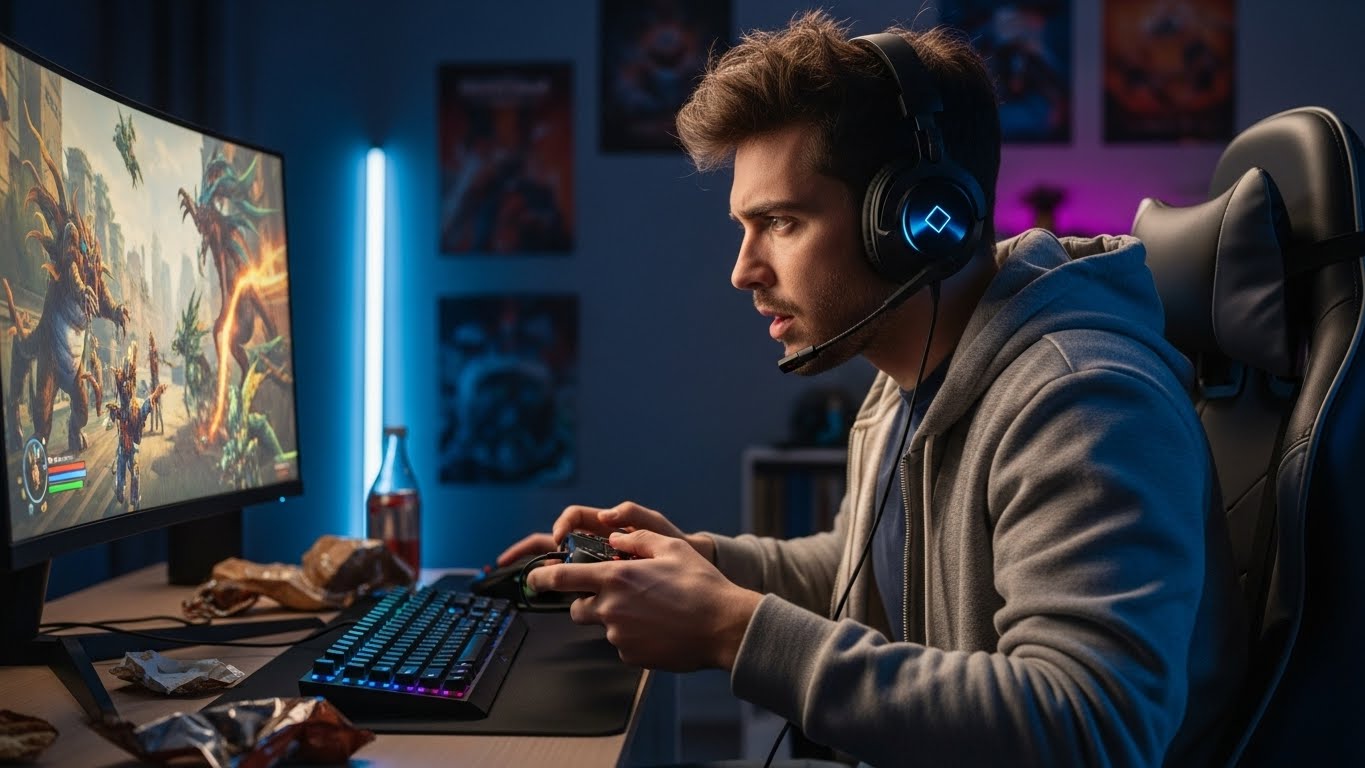
In the last few decades, gaming has evolved from a niche hobby into a global cultural phenomenon. Once considered a pastime for children or a guilty pleasure for teens, gaming now occupies a mainstream position in entertainment, education, and social interaction. Modern gaming spans consoles, PCs, and mobile devices, with genres ranging from role-playing adventures to strategic simulations and competitive esports. This growth has not only changed how people entertain themselves but also reshaped the way communities form, skills develop, and creativity flourishes.
Gaming’s appeal lies in its immersive experience. Unlike traditional forms of entertainment such as movies or books, video games allow players to actively participate in stories, solve complex challenges, and create personalized experiences. The interactivity encourages problem-solving, strategic thinking, and sometimes even teamwork, depending on the game. In addition, the rapid advancement of technology, including realistic graphics, artificial intelligence, and virtual reality, has transformed games into experiences that rival traditional forms of art and storytelling.
The Psychological Impact of Gaming
Contrary to long-standing stereotypes, gaming offers several cognitive and emotional benefits when approached responsibly. Research shows that playing video games can enhance memory, attention span, and decision-making skills. For instance, strategy games require players to analyze complex scenarios and make quick judgments, which sharpens critical thinking and problem-solving abilities. Similarly, puzzle-based games stimulate pattern recognition and logical reasoning, improving mental agility over time.
Gaming also provides emotional benefits by offering stress relief and a sense of achievement. Completing challenging levels or achieving in-game milestones releases dopamine, creating a feeling of reward and satisfaction. For many, gaming functions as a safe space to explore emotions, experience challenges, and gain confidence in decision-making. Multiplayer games additionally foster social skills, as players must communicate, collaborate, and sometimes negotiate with others to achieve shared goals. These social interactions can enhance empathy, cooperation, and leadership skills in real-world contexts.
Gaming and Social Connectivity
Modern gaming is not just about individual experiences; it has become a social activity connecting millions of people worldwide. Online multiplayer platforms allow players to meet, collaborate, and compete with others, transcending geographical boundaries. Communities form around shared interests in particular games or genres, creating opportunities for friendships, mentorship, and collaboration.
Streaming platforms and esports have further amplified gaming’s social dimension. Gamers can broadcast their play sessions, engage with live audiences, and receive immediate feedback. These interactions foster a sense of belonging and influence, allowing individuals to build communities centered around gaming culture. Esports, in particular, has turned competitive gaming into a spectator sport, complete with tournaments, professional teams, and international fan bases. This growth highlights the evolving perception of gaming from a solitary hobby to a communal, professional, and culturally significant pursuit.
Educational Potential of Gaming
Beyond entertainment, gaming holds immense educational potential. Many games are designed to teach specific skills or concepts while keeping players engaged through challenges and rewards. For example, simulation games allow players to explore real-world scenarios such as managing a city, running a business, or piloting an aircraft. These games teach resource management, strategic planning, and critical thinking in a low-risk environment.
Educational games for children also incorporate literacy, math, science, and problem-solving skills into gameplay. Gamified learning can increase motivation, retention, and enjoyment, providing a dynamic alternative to traditional classroom methods. Even outside of formal education, games encourage lifelong learning. Players often research topics related to game mechanics, storylines, or historical contexts, further expanding their knowledge while pursuing a hobby they enjoy.
The Evolution of Game Design
Game design has undergone significant transformation over the years. Early video games were limited by technology, often featuring simple graphics, minimal storytelling, and basic mechanics. Today, game developers craft intricate narratives, photorealistic visuals, and expansive open worlds that rival blockbuster movies. The evolution of design has also emphasized player agency, offering multiple story paths, character customization, and interactive environments.
The artistry in gaming extends beyond graphics and narrative. Sound design, music, and environmental storytelling contribute to immersive experiences. Developers use these elements strategically to evoke emotions, build tension, or convey thematic messages. This complexity elevates gaming to a multidisciplinary art form, blending storytelling, visual arts, music, and interactive design into a cohesive medium that engages players on multiple sensory and cognitive levels.
Health and Wellness Considerations
While gaming offers numerous benefits, it is important to approach it mindfully to avoid negative consequences. Excessive gaming can lead to physical issues such as eye strain, poor posture, and sedentary lifestyle complications. Mental health may also be affected if gaming becomes a tool for avoiding real-world responsibilities or social interaction. Balance is key.
Integrating gaming into a healthy lifestyle can mitigate potential drawbacks. Breaks, physical activity, and time management help maintain physical and mental wellness. Certain games, particularly those that encourage physical movement or mindfulness, can even promote health. For instance, virtual reality fitness games combine exercise with engaging gameplay, making physical activity enjoyable and immersive. When balanced with other activities, gaming can contribute positively to overall well-being rather than detracting from it.
Gaming as a Career
The perception of gaming as a viable career has shifted dramatically. Today, professional opportunities exist across various sectors of the gaming industry. Competitive esports players earn salaries, prize money, and sponsorships by participating in tournaments. Game developers, designers, and programmers create and refine games, while content creators and streamers monetize their audiences through platforms that reward engagement and viewership.
This expansion has made gaming a legitimate professional pursuit, combining creativity, strategy, and technological expertise. It also highlights the need for skills beyond gameplay, including marketing, community management, and digital content production. Aspiring professionals can pursue formal education in game design, computer science, or multimedia arts, reflecting the growing recognition of gaming as an interdisciplinary field with real-world career prospects.
The Future of Gaming
The future of gaming promises even greater innovation and impact. Advancements in artificial intelligence, virtual reality, and cloud computing are transforming how games are developed and experienced. AI-driven game mechanics can create dynamic storylines and adaptive challenges, offering personalized gameplay experiences. Virtual and augmented reality technologies immerse players in lifelike worlds, while cloud-based platforms make high-quality gaming accessible without expensive hardware.
Social and cultural dimensions of gaming will continue to evolve. Games may become increasingly integrated with social media, collaborative platforms, and educational tools, creating new forms of interaction and community. Furthermore, gaming’s influence on popular culture, art, and entertainment will likely deepen, establishing it as a dominant force shaping creativity, storytelling, and human connection in the 21st century.
Conclusion: Gaming as a Transformative Experience
Gaming is no longer a mere hobby; it is a multifaceted cultural, social, and educational phenomenon. It offers cognitive and emotional benefits, fosters social connections, and provides opportunities for career growth and creative expression. Modern gaming challenges traditional notions of entertainment, blending art, technology, and interactivity into experiences that can educate, inspire, and connect people worldwide.
As gaming continues to evolve, its potential to influence lives and communities will expand. Whether for relaxation, socialization, learning, or professional pursuit, gaming holds a transformative power that extends far beyond the screen. Embracing gaming responsibly allows players to unlock its full potential, proving that what began as a pastime has become a dynamic force capable of enriching minds, fostering creativity, and shaping culture in profound ways.