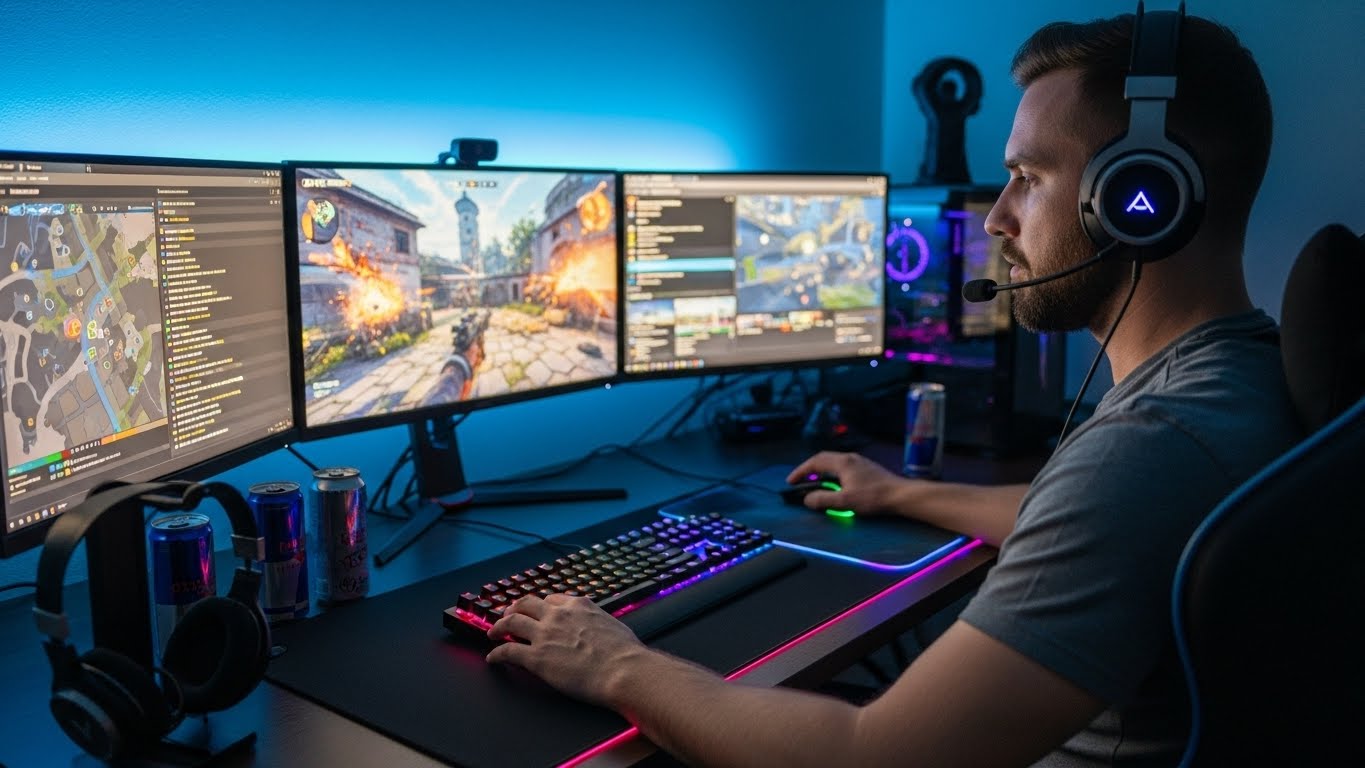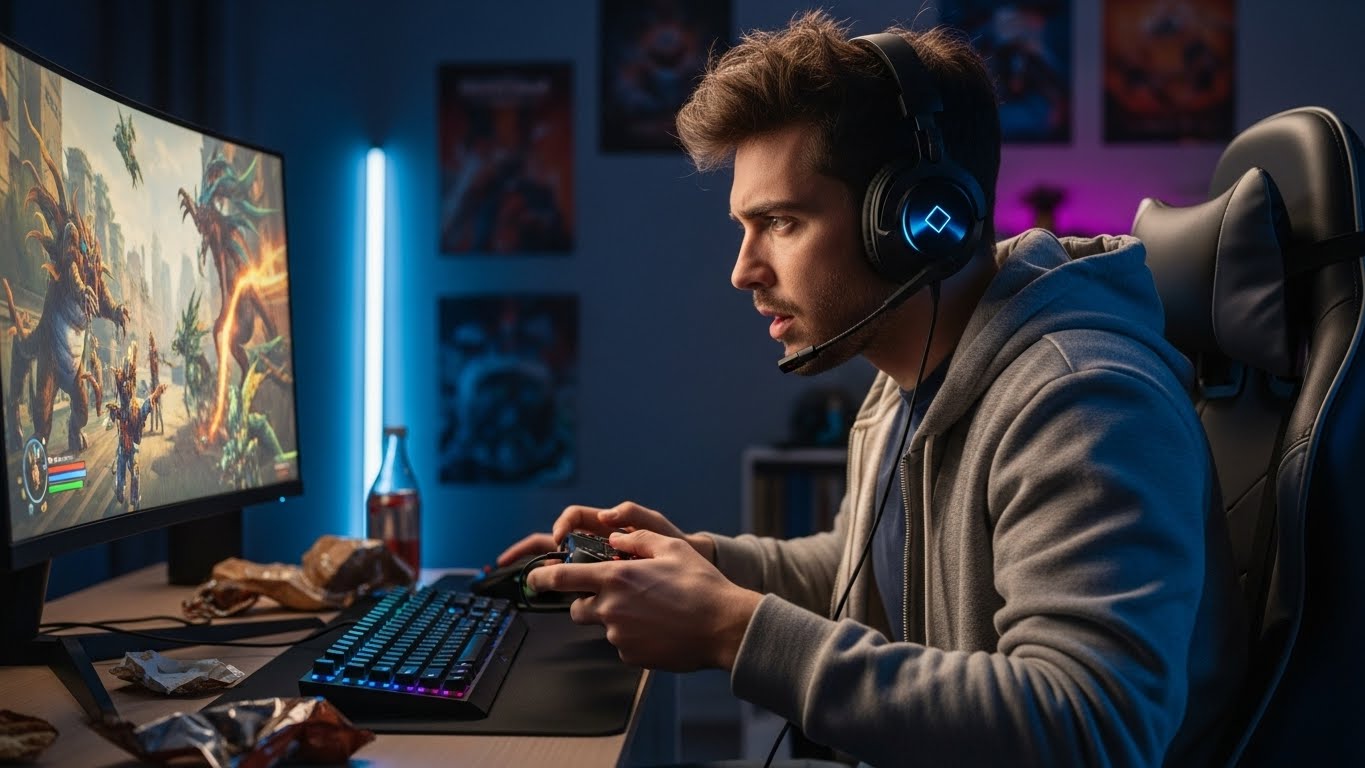

Gaming has evolved far beyond being a casual pastime. It has become a global phenomenon that shapes culture, technology, and social interaction. From the first pixelated consoles to expansive virtual worlds, gaming has transformed into an industry that entertains, challenges, and connects millions of people around the world. Today, gaming is recognized not only as a form of entertainment but also as a platform for education, professional careers, and community engagement. This blog explores the history of gaming, its impact on society, the different types of games, technological advancements, challenges, and its future.
The Origins of Gaming
The roots of gaming can be traced back to simple physical games and board games in ancient civilizations. Games like chess, dice, and Go laid the foundation for strategy and competition. With the advent of computers and digital technology in the 20th century, gaming entered a new era.
The 1970s marked the rise of arcade gaming with classics such as Pong and Space Invaders. These games introduced the concept of interactive digital entertainment and attracted players into public gaming spaces. By the 1980s and 1990s, home consoles like the Nintendo Entertainment System and Sega Genesis brought gaming into households, creating a personal and immersive experience.
PC gaming also gained momentum during this period, with titles such as Doom, Quake, and SimCity offering complex gameplay and fostering the emergence of gaming communities. These early developments set the stage for the growth of a diverse and thriving gaming ecosystem.
The Cultural Impact of Gaming
Gaming has become a cultural force, influencing art, music, storytelling, and social interaction. Video games provide rich narratives, immersive worlds, and interactive experiences that rival films and literature. Many games explore complex themes such as morality, identity, and society, offering players both entertainment and intellectual stimulation.
Gaming culture has also shaped communities, creating social networks both online and offline. Gamers connect through multiplayer games, forums, streaming platforms, and esports events. The sense of shared experience fosters camaraderie, teamwork, and even lifelong friendships. Gaming conventions and tournaments celebrate these communities, highlighting the cultural significance of gaming in modern society.
The Economic Influence of Gaming
The gaming industry has grown into a multi-billion-dollar global enterprise. Console and PC games, mobile apps, in-game purchases, merchandise, and streaming services generate significant revenue. Professional gaming and esports have also become lucrative careers, attracting sponsorships, endorsements, and media attention.
Game development has created millions of jobs worldwide in programming, design, art, storytelling, and marketing. Indie game development has also flourished, allowing small teams and individuals to innovate and reach global audiences. The economic influence of gaming extends beyond the industry itself, impacting technology, media, and entertainment sectors.
Types of Games
Gaming is a diverse medium with genres that cater to different tastes, skills, and experiences.
Action and Adventure Games
Action and adventure games combine storytelling with fast-paced gameplay. Titles like The Legend of Zelda, Assassin’s Creed, and Tomb Raider challenge players’ reflexes while immersing them in rich narratives and expansive worlds.
Role-Playing Games (RPGs)
RPGs allow players to assume characters, develop skills, and make decisions that impact the story. Games like Final Fantasy and Skyrim provide deep narratives and complex mechanics that engage players over extended periods.
Simulation Games
Simulation games, including The Sims and Flight Simulator, mimic real-life scenarios, allowing players to manage systems, create worlds, or experience unique professions. These games offer creativity, problem-solving, and strategic thinking.
Multiplayer Online Battle Arenas (MOBAs)
MOBAs, such as League of Legends and Dota 2, emphasize teamwork, strategy, and competition. Players control individual characters with unique abilities, collaborating to achieve objectives against opposing teams.
First-Person and Tactical Shooters
Shooter games, including Call of Duty and Counter-Strike, focus on precision, strategy, and reflexes. They demand quick thinking, coordination, and situational awareness, providing adrenaline-driven experiences.
Sports and Racing Games
Sports and racing games replicate real-world competitions. FIFA, NBA 2K, and Gran Turismo allow players to experience virtual sports and racing with realism and immersive mechanics.
Puzzle and Strategy Games
Puzzle and strategy games challenge intellect and creativity. Titles like Tetris, Chess.com, and Civilization develop problem-solving skills, planning, and adaptability.
Technological Advancements in Gaming
Technological innovation has continuously transformed the gaming experience. High-definition graphics, realistic physics, and complex artificial intelligence have enhanced immersion and engagement. VR (Virtual Reality) and AR (Augmented Reality) bring gaming into physical spaces, offering new levels of interaction and presence.
Cloud gaming allows players to stream games without high-end hardware, making gaming more accessible. Mobile gaming has expanded the reach of gaming to millions worldwide, providing casual and on-the-go experiences.
Artificial intelligence also plays a significant role, enabling more realistic NPC behavior, adaptive difficulty, and personalized gameplay. Innovations in sound design, haptic feedback, and interactive storytelling continue to push the boundaries of player immersion.
Esports and Competitive Gaming
Esports, or competitive gaming, has transformed gaming into a spectator sport. Professional players compete in tournaments, often for substantial prize money. Games like Dota 2, League of Legends, and Fortnite have global competitive scenes with millions of viewers watching live streams and events.
Esports has professionalized gaming, creating structured leagues, coaching staff, analysts, and sponsorship opportunities. It has also influenced education, with universities offering scholarships and programs for esports athletes. The growth of esports highlights gaming as both a career path and a global entertainment industry.
Gaming and Social Interaction
Modern gaming is highly social. Online multiplayer platforms, co-op games, and community-driven content create opportunities for interaction and collaboration. Players can join global networks, communicate in real-time, and develop teamwork skills.
Streaming platforms like Twitch and YouTube Gaming have expanded social interaction further. Gamers broadcast their gameplay, engage with fans, and build communities around shared interests. This social dimension has turned gaming from a solitary activity into a collaborative and interactive experience.
Educational and Cognitive Benefits of Gaming
Gaming offers cognitive and educational benefits. Many games enhance problem-solving, strategic thinking, memory, and decision-making skills. Puzzle games, simulations, and strategy titles encourage critical thinking and planning.
Educational games introduce concepts in science, history, and mathematics in an engaging format. Gamification of learning motivates students, making knowledge acquisition interactive and rewarding. Beyond academics, gaming can improve hand-eye coordination, multitasking, and spatial awareness.
Challenges in Gaming
Despite its benefits, gaming presents challenges. Excessive gaming can lead to addiction, sedentary behavior, and social isolation. Responsible gaming habits, time management, and parental guidance are crucial to prevent negative impacts.
In addition, the industry faces concerns regarding content, including violence, inappropriate material, and online harassment. Developers, communities, and regulators must address these issues while promoting positive, inclusive, and safe gaming environments.
Economic inequality and access to technology also influence gaming participation. High-end hardware and internet connectivity can be barriers for some, limiting opportunities in competitive and immersive gaming.
The Future of Gaming
The future of gaming is promising and transformative. Technologies such as virtual reality, augmented reality, cloud gaming, and artificial intelligence will continue to redefine the gaming experience. Immersive worlds, realistic interactions, and personalized gameplay will become more sophisticated.
Cross-platform gaming and cloud services will make games more accessible and inclusive. Social gaming, streaming, and community-driven content will expand engagement, blending entertainment, creativity, and social connection.
Artificial intelligence may create dynamic game worlds that evolve with player behavior, offering limitless possibilities for storytelling and interaction. Blockchain and digital ownership technologies could revolutionize in-game economies and virtual asset management.
Gaming will continue to influence culture, entertainment, education, and professional careers. Its role as a social and economic force will grow, further embedding it in the fabric of modern life.
Conclusion
Gaming is no longer just a hobby—it is a cultural, technological, and economic phenomenon. It entertains, educates, and connects people worldwide. From casual mobile games to professional esports, gaming has evolved into a diverse and immersive experience that shapes society in meaningful ways.
Its impact on education, cognitive skills, social interaction, and career opportunities underscores the value of gaming beyond entertainment. Technological advancements, community engagement, and professionalization of esports continue to push the boundaries of what is possible in gaming.
Challenges such as addiction, accessibility, and content regulation must be addressed responsibly. However, the benefits of gaming, including social connection, skill development, and creative expression, are significant.
The future of gaming promises even greater immersion, accessibility, and innovation. It is a dynamic medium that will continue to evolve, influence culture, and transform lives. Gaming is more than entertainment—it is a reflection of human creativity, collaboration, and the endless potential of interactive technology.