Introduction: Gaming’s Cultural Transformation
The world of gaming has evolved far beyond its humble beginnings in the 1970s when players gathered around rudimentary arcade machines to experience the first waves of digital entertainment. Today, video games are not just a pastime; they are a global cultural force that influences everything from technology to social interactions, career paths, and even mental health. Gaming has transformed from a niche hobby into a mainstream lifestyle, shaping entertainment and offering players a wide variety of experiences, from casual mobile games to immersive virtual worlds.
This blog post explores the impact of gaming, its evolution into a multi-faceted entertainment medium, and how it has become ingrained in the fabric of modern life. It will delve into gaming’s history, present-day influence, and the exciting future of interactive entertainment.
The Beginnings: The Birth of Gaming Culture
Video gaming as we know it today began with the simple yet revolutionary concept of the arcade machine. In 1972, Pong was released as the first commercially successful arcade video game, capturing the attention of both casual and hardcore players. While rudimentary by today’s standards, Pong introduced the idea of interactive digital entertainment to a mass audience. The success of Pong led to the explosion of arcade gaming, with titles like Space Invaders and Pac-Man becoming household names.
In the early 1980s, home video game consoles began to make their mark, bringing games from the arcades into people’s homes. The Atari 2600 and the Nintendo Entertainment System (NES) revolutionized gaming by making it affordable and accessible to the masses. Titles like Super Mario Bros. and The Legend of Zelda not only created characters and franchises that have endured for decades, but they also demonstrated the power of video games as a storytelling medium.
These early milestones laid the groundwork for the gaming industry to grow into the global phenomenon it is today, moving from simple mechanics and visuals to more sophisticated and expansive digital experiences.
The Golden Age of Gaming: 3D Worlds and Immersive Storytelling
The 1990s marked a key turning point in the development of video games. With the arrival of 3D graphics, video games began to shift from flat, pixelated visuals to immersive, three-dimensional worlds. This leap in technological capability opened the doors for new kinds of gameplay experiences that were impossible to achieve in earlier generations of gaming.
The introduction of consoles like the Sony PlayStation and the Nintendo 64 gave rise to a new era of gaming. Titles like Super Mario 64, Final Fantasy VII, and The Legend of Zelda: Ocarina of Time defined this period. These games introduced expansive open worlds, rich narratives, and detailed character development. Players were no longer just completing levels or achieving high scores; they were becoming part of intricate, emotional stories.
In addition to graphical improvements, the 1990s also saw the rise of multiplayer gaming. The ability to connect multiple consoles or PCs through local area networks (LAN) allowed players to engage in competitive and cooperative play in real-time. Games like Warcraft and Quake pioneered online multiplayer experiences, setting the stage for the vast, global online communities that would come to dominate the gaming landscape.
The Social Shift: Online Gaming and Communities
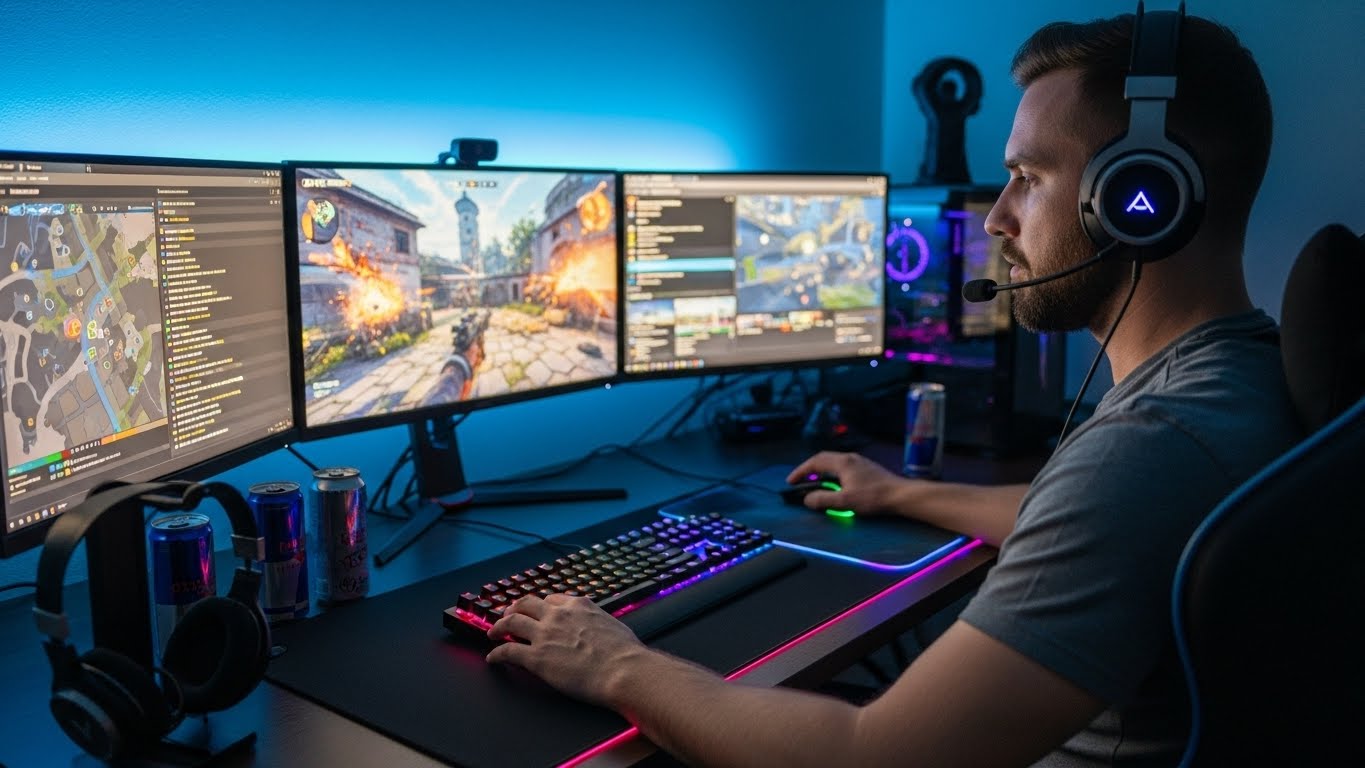
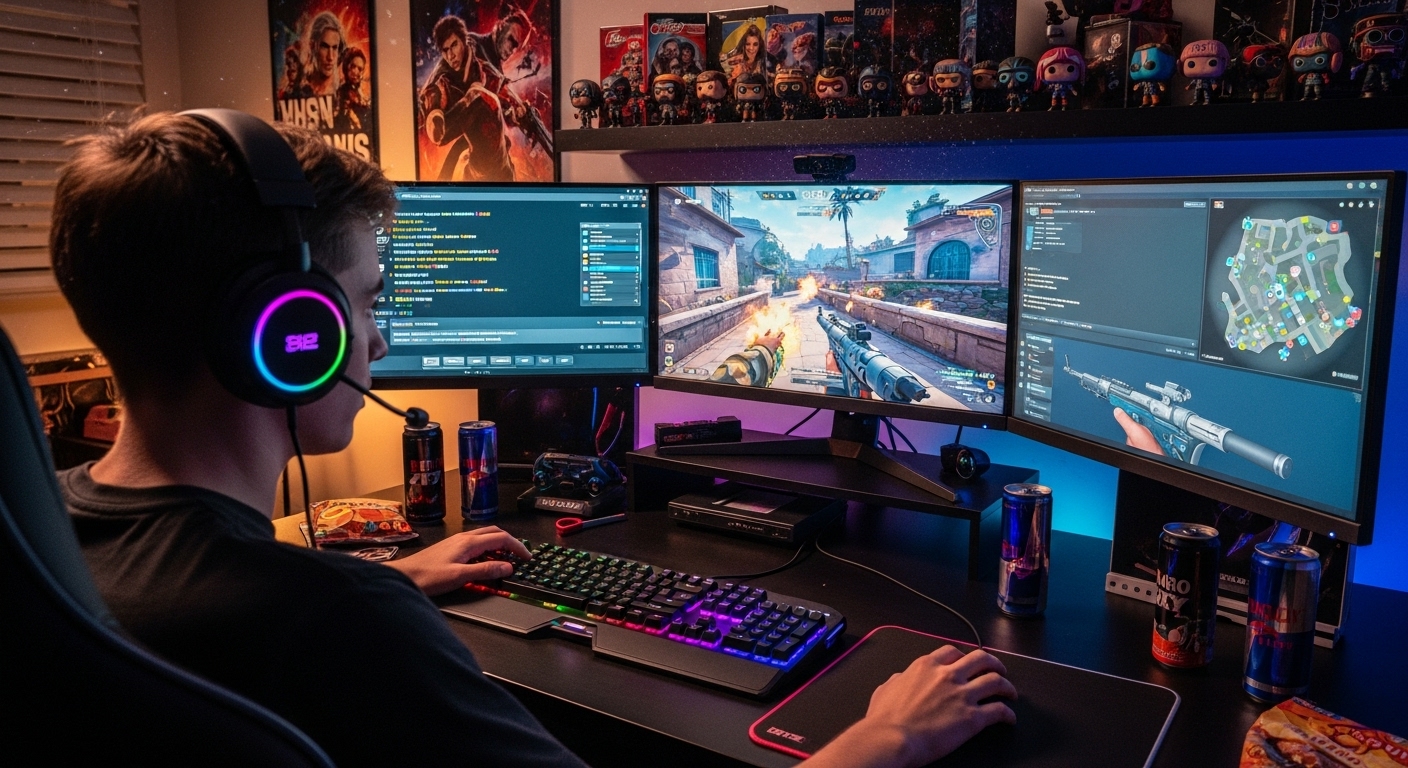
As the internet became more widespread in the early 2000s, online gaming became a staple of the gaming world. The rise of high-speed broadband allowed millions of players to connect with each other across the globe, creating vast multiplayer worlds where players could join forces or compete for dominance. Games like World of Warcraft, Halo 2, and Counter-Strike took online multiplayer gaming to a new level, offering players the chance to team up in raids, play competitively in matches, and form friendships or rivalries with people from all corners of the globe.
The development of online gaming communities has fundamentally changed the way we think about gaming. No longer confined to solitary experiences or local groups, players can now meet new people, share strategies, and engage in social activities through platforms like Discord, Twitch, and YouTube. The rise of online gaming has made gaming a social activity in itself, as much about collaboration, interaction, and competition as it is about the gameplay itself.
Moreover, streaming platforms like Twitch have turned gaming into a spectator sport. Millions of viewers now watch professional gamers, content creators, and casual players alike in real-time. Esports, the competitive side of gaming, has exploded in popularity, with tournaments for games like League of Legends, Dota 2, and Fortnite drawing in millions of viewers and offering multi-million-dollar prize pools.
Mobile Gaming: Reaching New Audiences
In the past decade, mobile gaming has become a dominant force in the industry. Smartphones, which were once only used for communication and basic tasks, have now become powerful gaming devices capable of delivering rich, engaging experiences. Mobile games have made gaming more accessible, offering something for everyone—from casual games like Candy Crush Saga to massively popular titles like Pokémon GO and Clash Royale.
What sets mobile gaming apart is its accessibility. You no longer need an expensive console or gaming PC to enjoy games; all you need is a smartphone. This has attracted a vast new audience, including people who may not identify as traditional gamers. Mobile gaming has made gaming a part of everyday life, allowing players to engage in quick gaming sessions during breaks, commutes, or leisure time.
In addition, the mobile gaming industry has introduced the concept of free-to-play games with in-app purchases. This model has revolutionized the way games are monetized, offering players the option to pay for cosmetics, new levels, or other in-game content, while still allowing them to play for free. The success of free-to-play titles like Fortnite and PUBG Mobile has changed the economic landscape of the gaming industry, making games more accessible while also opening up new revenue streams for developers.
The Rise of Storytelling in Games
One of the most exciting developments in modern gaming is the evolution of storytelling. In the early days of gaming, stories were typically simple and functional, providing a backdrop for gameplay. However, as technology advanced, so did the depth and complexity of the stories being told in games.
Today’s games feature emotionally driven narratives with complex characters, morally ambiguous choices, and sprawling worlds to explore. Games like The Last of Us, Red Dead Redemption 2, and God of War demonstrate that video games are capable of telling stories that rival films and novels in terms of emotional engagement and narrative depth.
This shift in storytelling has been facilitated by advances in graphics, voice acting, motion capture, and cinematic techniques, which have allowed developers to create lifelike characters and environments. By combining interactive elements with traditional storytelling methods, video games offer a unique experience—one in which the player has agency in shaping the outcome of the story.
Gaming and Mental Health: The Good and the Bad
While gaming has brought people together and offered new forms of entertainment, it has also raised concerns about its impact on mental health. On one hand, gaming has been shown to have therapeutic benefits. Games can provide stress relief, improve cognitive skills, and offer a sense of accomplishment. Additionally, online communities provide a sense of belonging and can help individuals connect with others who share similar interests.
On the other hand, there are concerns about the potential for gaming addiction, especially when it comes to immersive, long-duration games or games with social and economic pressures. While the vast majority of gamers play in moderation, there are cases where excessive gaming has interfered with work, school, and personal relationships. Striking a balance between gaming and other aspects of life is important for maintaining mental health and well-being.
The Future of Gaming: Virtual Reality and Beyond
Looking to the future, gaming is poised for even more exciting developments. Virtual reality (VR) is one of the most anticipated technologies in the gaming world. With VR headsets like the Oculus Rift and PlayStation VR, players can step into fully immersive virtual worlds, interacting with their environment and other players in a way that feels natural and real.
In addition to VR, augmented reality (AR) is also gaining traction. AR games like Pokémon GO use the real world as a backdrop for digital gameplay, blending virtual and physical spaces in ways that are both innovative and exciting. As technology advances, we can expect gaming experiences that blur the lines between the real world and the virtual one, creating entirely new forms of interaction and play.
Artificial intelligence (AI) is also set to play a major role in the future of gaming. AI can be used to create more dynamic and responsive environments, where NPCs (non-playable characters) react intelligently to player choices. AI could also be used to generate procedurally generated worlds or missions, offering an endless supply of unique content for players to explore.
Conclusion: Gaming’s Enduring Impact
Gaming has come a long way from its early days as a simple arcade pastime. What started as a niche form of entertainment has grown into one of the most powerful cultural forces in the world. Today, gaming is a multi-billion-dollar industry that spans genres, platforms, and demographics, offering something for everyone.
As gaming continues to evolve, it will likely shape new forms of entertainment, social interaction, and even career opportunities. Whether through the immersive worlds of VR, the social connectivity of online gaming, or the emotional depth of storytelling, the future of gaming is bright. What is clear is that gaming will continue to be a vital part of modern life, offering endless possibilities for entertainment, creativity, and connection.