
Introduction: The Evolution of Gaming
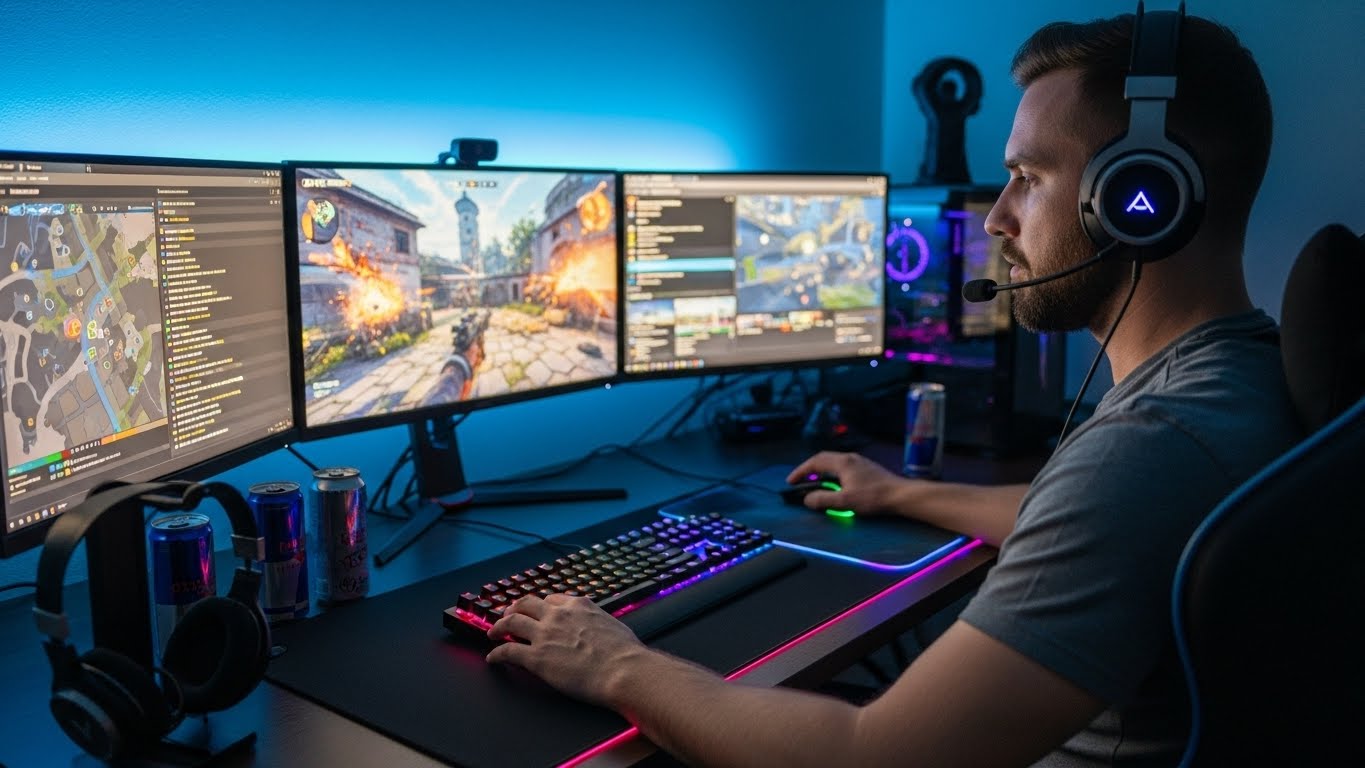
Gaming has transformed over the years from a simple hobby to a global phenomenon, encompassing millions of players, diverse genres, and cutting-edge technology. What was once a niche activity enjoyed by a select few has now become one of the largest and most influential forms of entertainment worldwide. Video games are no longer just about playing for fun; they are about experiences, storytelling, emotional connections, and even career opportunities. As technology continues to advance, the way we interact with games evolves, and the potential for gaming as a platform for creativity and communication seems limitless.
In this blog post, we’ll delve into the reasons gaming matters, the impact it has on individuals and communities, and what the future holds for this ever-growing industry. From solo experiences to massive multiplayer worlds, we’ll explore how gaming is shaping the way we entertain ourselves, learn, and connect with others.
The Changing Face of Gaming: From Arcades to Modern Masterpieces
At its inception, gaming was a simple, often solitary experience. Early video games like Pong or Space Invaders focused on basic mechanics that were fun for short bursts of time. The arcade was the epicenter of gaming, a place where players competed for high scores, trying to outdo their friends. Over time, this simple form of gaming evolved into more complex and immersive experiences, driven by improvements in graphics, storytelling, and technology.
Today, gaming is an expansive universe that spans genres, from fast-paced action to narrative-driven epics, multiplayer online games, and even virtual reality experiences. Games like The Witcher 3, Red Dead Redemption 2, and Cyberpunk 2077 offer rich, open-world environments with intricate storylines and characters that rival those found in Hollywood blockbusters. The shift from pixelated, 2D graphics to lifelike, 3D worlds has brought about an unprecedented level of immersion, making modern gaming an art form that blends creativity, technology, and storytelling.
This evolution has also seen a rise in mobile gaming, which has made gaming more accessible than ever before. No longer confined to consoles or PCs, games can now be played on the go, whether it’s a quick match of Clash Royale or an immersive journey through Genshin Impact. With gaming hardware becoming more affordable, a larger demographic of people around the world can now access high-quality gaming experiences at their fingertips.
Gaming as a Social Experience: Connecting People Worldwide
One of the most significant changes in the gaming landscape is the shift from solitary play to a highly social, interconnected experience. Online multiplayer games have revolutionized the way we connect, allowing players to team up with friends or compete against strangers from all corners of the globe. Gaming has become a bridge that connects people across continents, time zones, and cultures.
Games like Fortnite, Call of Duty, and Minecraft have become massive global platforms where players can build friendships, engage in friendly competition, and collaborate on in-game objectives. Voice chat and social media platforms enhance the gaming experience by allowing players to communicate in real-time, strategize, and bond over shared victories and defeats.
In fact, for many people, gaming has become a central part of their social lives. With the rise of streaming services like Twitch and YouTube Gaming, players can watch their favorite influencers and interact with them and their communities. This has given birth to a new type of celebrity, where gamers themselves become influencers, building loyal fanbases and even making careers out of their passion for gaming.
Moreover, gaming is no longer just about the players within a game. It has become a spectator sport, where millions tune in to watch professional tournaments, esports events, and streaming sessions. Esports has become a multi-billion-dollar industry, with players earning sponsorships, salaries, and even prize money for competing at the highest level. The professionalization of gaming, combined with its widespread accessibility, has created a vibrant and diverse global community.
Gaming as a Tool for Learning and Development
While many still see gaming as a form of entertainment, there is a growing recognition of its potential as an educational tool. Gamification—the use of game-like elements in non-game contexts—is being increasingly integrated into classrooms, corporate training programs, and personal development initiatives.
Many video games are inherently educational, requiring players to think critically, plan strategically, and solve complex problems. Puzzle games like Portal and The Witness encourage players to think logically and engage in problem-solving exercises. In Civilization, players must manage resources, make strategic decisions, and balance multiple factors to build an empire. These types of games not only entertain but also teach valuable skills such as critical thinking, resource management, and strategic planning.
Moreover, some games are designed specifically to teach real-world concepts. Kerbal Space Program, for example, is a game about space exploration that teaches principles of physics, engineering, and aerodynamics. Similarly, historical games like Assassin’s Creed and Age of Empires allow players to explore different time periods and cultures, providing an interactive experience of history that can deepen understanding in a way textbooks cannot.
Even more interactive and educational games are being used in schools to engage students in subjects like math, language, and science. The appeal of gamified learning environments is undeniable, as students can absorb information while actively participating in the learning process. This hands-on approach encourages curiosity, engagement, and retention, making education more enjoyable and effective.
The Psychological Benefits of Gaming
While there has been some debate about the potential negative effects of gaming, research increasingly points to the psychological benefits it can offer. For many players, gaming is a form of escape—an opportunity to immerse themselves in different worlds and temporarily forget the stresses of daily life. This ability to disconnect can be incredibly therapeutic, providing relief from anxiety, depression, and other mental health issues.
Certain games are specifically designed with relaxation and mindfulness in mind. Games like Journey, Animal Crossing, and Stardew Valley offer peaceful, non-competitive experiences that help players unwind and destress. These types of games emphasize exploration, creativity, and community building, providing a calming effect that can promote mental well-being.
Gaming can also provide a sense of accomplishment and satisfaction. Completing a difficult level, achieving a high score, or unlocking a challenging achievement can all boost self-esteem and create a sense of pride. Additionally, many games encourage persistence and resilience, teaching players to overcome obstacles and learn from failure. These qualities are transferable to real-world situations, where the ability to stay motivated and bounce back from setbacks is crucial.
The Future of Gaming: Virtual Reality and Beyond
As technology continues to advance, the future of gaming looks increasingly immersive and interactive. Virtual reality (VR) and augmented reality (AR) are pushing the boundaries of how players experience games. VR headsets like the Oculus Rift and PlayStation VR are providing players with fully immersive worlds where they can look around, move, and interact as though they are truly inside the game. These developments have made gaming more physically interactive, offering experiences that feel more real than ever before.
VR has applications beyond just gaming. It’s being used in fields like education, healthcare, and architecture to simulate real-world scenarios and training environments. In the future, we may see VR gaming experiences that are indistinguishable from reality, offering players entirely new ways to engage with the virtual world.
Similarly, AR games like Pokémon GO have shown the potential of blending the digital and physical worlds. By overlaying game elements on top of real-world environments, AR can create interactive experiences that encourage players to explore their surroundings in new ways. As the technology behind AR improves, we can expect even more immersive and innovative gaming experiences.
Conclusion: Gaming as a Global Cultural Force
Gaming is no longer just a hobby; it is a cultural force that has transformed the way we connect, learn, and entertain ourselves. The evolution of gaming—from arcades to virtual reality—has paved the way for new forms of social interaction, education, and even career opportunities. Games are no longer simply a way to pass time; they are a platform for storytelling, creativity, and community-building that can have a lasting impact on players.
As gaming continues to grow and evolve, its influence on society will only become more profound. With innovations in technology, gaming will continue to push the boundaries of what is possible, offering more immersive, interactive, and meaningful experiences. Whether you are a casual player, a professional gamer, or simply someone who enjoys the occasional game, the future of gaming is one of endless possibilities, and it’s clear that gaming is here to stay as a powerful force in modern entertainment.