Introduction: Gaming as a Cultural Phenomenon
Gaming has grown from a niche hobby to a global cultural phenomenon that transcends age, geography, and social barriers. What once began as a simple pastime involving pixelated screens and basic controls has now transformed into a multifaceted universe of immersive experiences, competitive arenas, and creative expression. Today, gaming is no longer just about entertainment; it is a medium that connects communities, challenges the mind, and even influences lifestyle and culture. In this blog, we explore the evolution of gaming, the different types of gaming experiences, the technology behind it, the social aspects, and the future possibilities that lie ahead.
The Early Days of Gaming: From Arcades to Consoles
The roots of gaming can be traced back to the late 20th century with the rise of arcade machines. These large, coin-operated machines became social hubs where players could test their skills and compete for high scores. Games like Pac-Man, Space Invaders, and Donkey Kong captured the imagination of millions, combining simple mechanics with addictive gameplay.
As technology progressed, home consoles emerged, bringing the gaming experience into living rooms. The Nintendo Entertainment System and Sega Genesis were pioneers in making gaming accessible to families and casual players. These consoles introduced more complex storylines, colorful graphics, and diverse genres, creating a foundation for the modern gaming ecosystem.
The Rise of PC Gaming
While consoles dominated the living room, the personal computer opened new doors for gamers seeking customization, complexity, and creative freedom. PC gaming offered higher graphics fidelity, modding capabilities, and a wider array of genres, from strategy and simulation to first-person shooters and role-playing games.
One significant milestone in PC gaming was the introduction of multiplayer experiences. Early online games allowed players to connect via local networks or the internet, paving the way for the competitive gaming culture we see today. Games like StarCraft, Counter-Strike, and World of Warcraft not only captivated audiences but also fostered global communities, allowing players to collaborate, compete, and socialize across continents.
The Impact of Mobile Gaming
The next revolution in gaming came with smartphones and mobile devices. Mobile gaming democratized the medium, allowing anyone with a smartphone to access games anytime, anywhere. Casual titles like Candy Crush, Clash of Clans, and Angry Birds attracted a broad audience, including those who had never played traditional console or PC games.
Mobile gaming also introduced new monetization models, such as in-app purchases and freemium structures. While these models sparked debates over fairness and addiction, they allowed developers to sustain continuous updates and live events, keeping players engaged over long periods. Mobile platforms further blurred the line between casual and hardcore gaming, as some mobile games now rival traditional games in depth, graphics, and community engagement.
The Technology Behind Modern Gaming
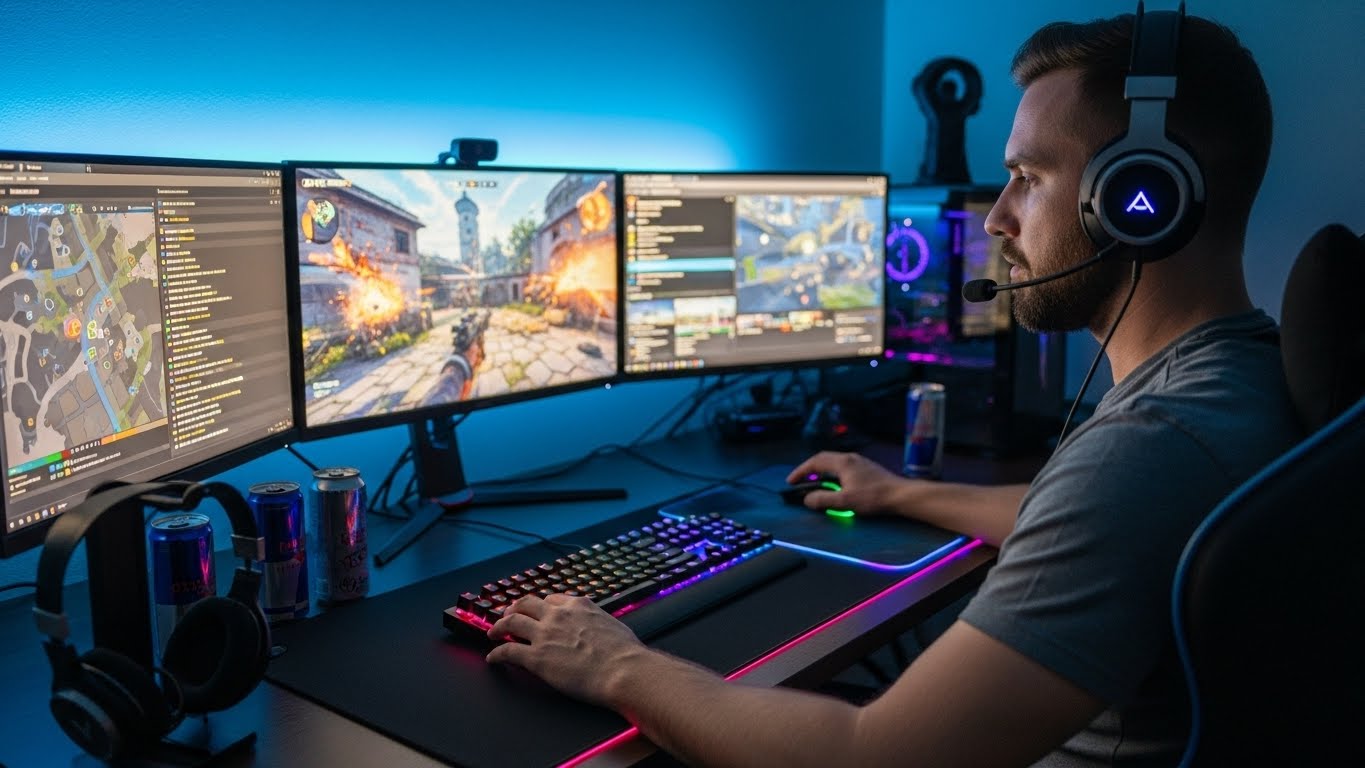
Modern gaming is powered by technology that pushes the boundaries of imagination and immersion. High-performance graphics cards, advanced processors, and VR (virtual reality) and AR (augmented reality) devices create experiences that were once considered science fiction. Realistic physics engines, detailed textures, and complex AI systems enhance the sense of presence, making virtual worlds feel alive.
Cloud gaming is another transformative technology. Services allow players to stream high-quality games without owning expensive hardware, opening access to a broader audience. Gamers can now jump into vast worlds without waiting for downloads or worrying about storage space. This shift also signifies a move toward a subscription-based, service-oriented gaming model, similar to streaming platforms in the entertainment industry.
The Social Side of Gaming
One of the most compelling aspects of gaming today is its social dimension. Multiplayer games, online communities, and live streaming platforms have turned gaming into a shared experience. Gamers can collaborate with friends, compete against strangers, and even form lasting friendships across borders.
Live streaming platforms and esports tournaments have transformed professional gaming into a legitimate career path. Top players earn sponsorships, prize money, and global recognition. Viewers engage not only with the gameplay but with the personalities behind it, creating a culture of entertainment that rivals traditional sports. The social interaction within games fosters teamwork, communication, and problem-solving skills, highlighting that gaming is not just solitary entertainment but a medium for connection and collaboration.
Gaming as Art and Storytelling
Beyond entertainment and competition, games have evolved as a form of art and storytelling. Narrative-driven games explore complex themes, emotions, and moral dilemmas, much like books and films. Titles such as The Last of Us, Red Dead Redemption, and Life is Strange demonstrate how games can evoke deep emotional responses and provoke thought.
The artistic potential of gaming extends to visual design, music, and interactive storytelling. Games allow players to make choices that influence the story, creating personalized experiences that no passive medium can replicate. The combination of interactivity and artistry makes gaming a unique platform for expression, empathy, and cultural commentary.
Challenges in the Gaming World
While gaming has many positive aspects, it is not without challenges. Issues like game addiction, toxic online behavior, and representation in games continue to spark discussions. Developers and communities are increasingly aware of these concerns and are working to address them through better game design, moderation tools, and inclusive content.
Monetization models in gaming also pose ethical questions. Microtransactions, loot boxes, and pay-to-win structures have raised debates about fairness and exploitation. Balancing financial sustainability with player satisfaction remains a critical challenge for the industry. Despite these hurdles, the overall trajectory of gaming shows a commitment to innovation, inclusivity, and responsible engagement.
The Future of Gaming
The future of gaming promises even more revolutionary experiences. Virtual reality and augmented reality will likely become more immersive and mainstream, allowing players to step fully into their favorite worlds. Artificial intelligence could enhance non-player characters, making them more intelligent, reactive, and lifelike.
Social and collaborative gaming will continue to grow, bridging gaps between cultures and communities. Cloud gaming will make high-quality experiences accessible to everyone, regardless of hardware limitations. Additionally, the integration of gaming with other entertainment forms, like interactive films and educational platforms, suggests that gaming will increasingly influence how we learn, socialize, and consume media.
Conclusion: Gaming as a Lifelong Experience
Gaming has come a long way from its humble beginnings in arcades and early home consoles. It has grown into a powerful medium that entertains, educates, connects, and inspires millions worldwide. The evolution of technology, the rise of social interaction, and the artistic potential of games ensure that the industry will continue to thrive and innovate.
As gaming becomes more immersive, inclusive, and creative, it is no longer just a hobby—it is a vital part of modern culture. Whether you are a casual player, a competitive gamer, or someone who appreciates the artistry of games, there is something in the gaming world for everyone. In the end, gaming is more than pixels and controllers; it is a journey, a community, and an experience that continues to evolve with every generation.