
Introduction: A Digital Revolution Beyond Entertainment
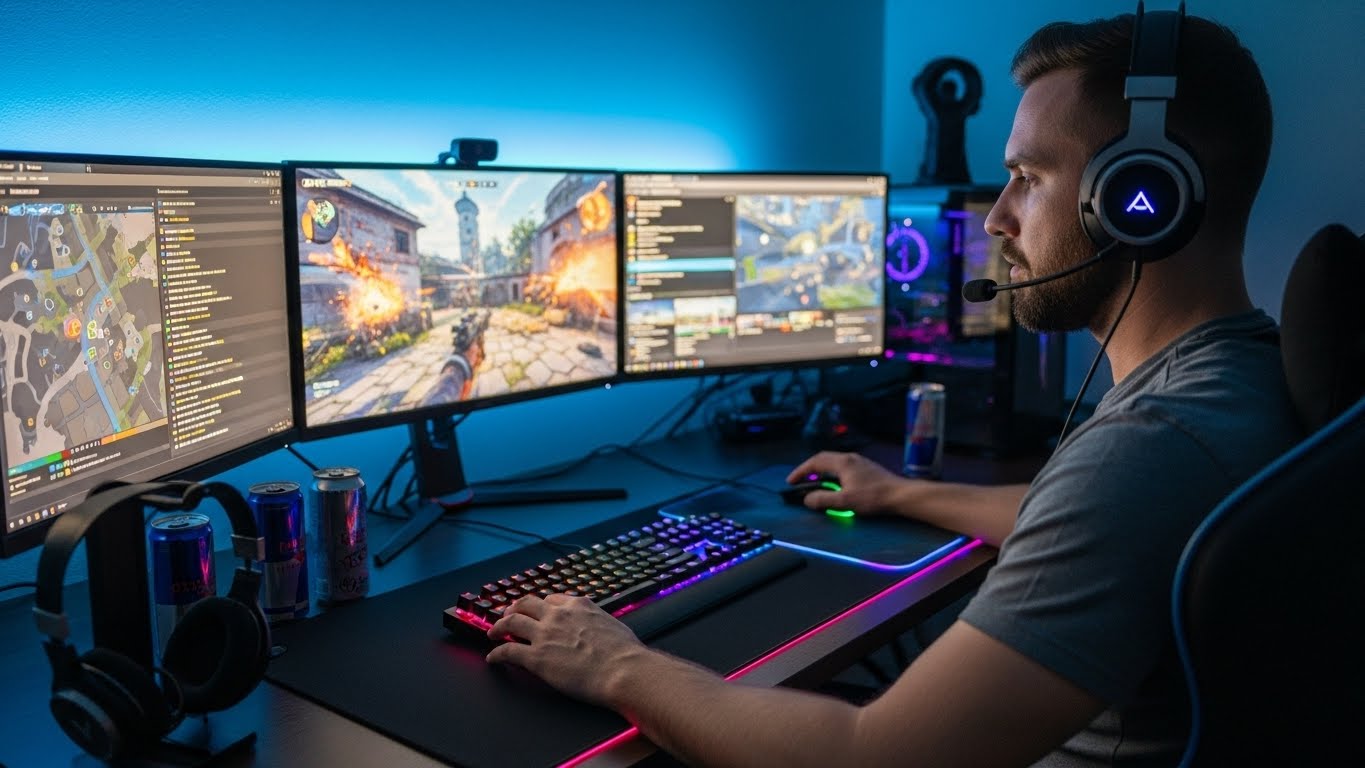
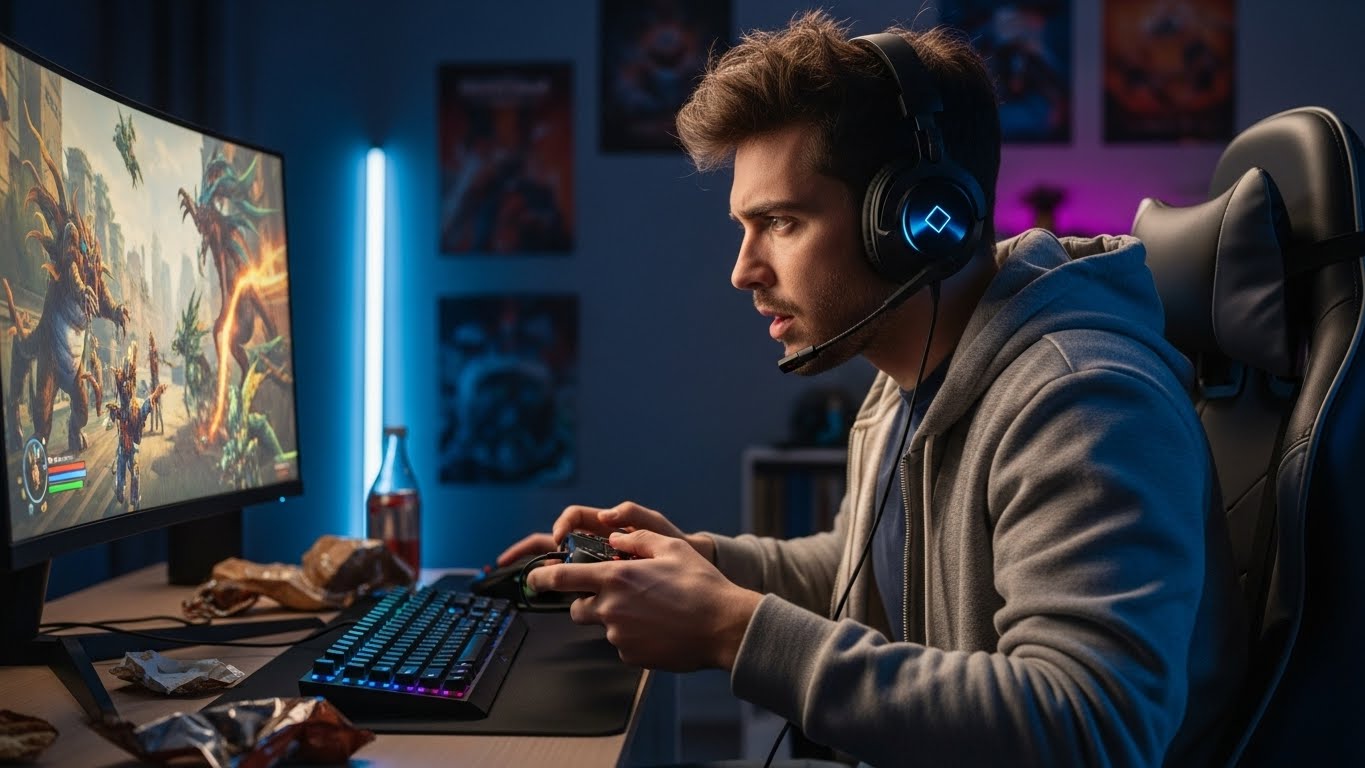
Gaming has transformed from a simple pastime into a global phenomenon that influences culture, technology, education, and even our social lives. What was once limited to pixelated graphics and basic mechanics has evolved into immersive experiences that blur the line between reality and imagination. Today’s games transport us to vast fantasy worlds, simulate real-life challenges with stunning precision, and connect millions of players from every corner of the planet. This blog explores how modern gaming is reshaping our world, the forces driving its evolution, and what the future holds for players and creators alike.
The Evolution of Gaming: From Arcades to Living Rooms to the Cloud
The history of gaming is a story of rapid innovation. Early arcade machines introduced the thrill of competition, but they were limited by hardware and accessibility. Home consoles revolutionized the industry by bringing gaming into the living room, allowing families to gather around a screen and explore virtual universes together. The rise of personal computers added an entirely new layer of depth, enabling developers to create more complex and richly detailed games.
Today, cloud gaming represents the next major leap forward. Players can stream high-quality games on any device without needing expensive hardware. Instead of being tied to consoles or PCs, gamers carry their experiences wherever they go. This shift is opening the door for millions of new players and redefining what it means to be part of the gaming community.
Immersive Worlds: The Power of Storytelling in Games
One of the most remarkable changes in modern gaming is the evolution of storytelling. Games now rival films and novels in emotional impact, narrative complexity, and character development. Players no longer just watch stories unfold; they shape them through their choices. This sense of agency creates a deeper bond between the player and the virtual world.
Role-playing games, open-world adventures, and narrative-driven titles often explore mature and thought-provoking themes. Love, loss, identity, sacrifice, and survival are no longer the domain of traditional media alone. Games offer a space where players can reflect on their decisions and feel truly connected to the experiences unfolding on-screen.
The Social Side of Gaming: Building Communities and Friendships
Gaming has become one of the most powerful social platforms in the world. Multiplayer games allow friends to connect regardless of distance, and online communities bring together players who share similar interests. Guilds, clans, and in-game alliances form strong bonds that often extend beyond the screen.
Voice chat, interactive events, and shared missions foster teamwork and communication. Many players develop long-term friendships through gaming, and some even find mentorship or emotional support within their gaming circles. In an increasingly digital world, games offer a positive social outlet that encourages cooperation, empathy, and belonging.
Competitive Gaming and the Rise of Esports
What began as friendly competition between arcade players has grown into an international sport with professional teams, coaches, sponsorships, and massive audiences. Esports competitions attract millions of viewers and offer prize pools that rival traditional sporting events. Skilled players become celebrities with fan bases, merchandise, and influence.
Esports has also created new career paths. Beyond playing professionally, individuals pursue roles in coaching, casting, content creation, and event management. Universities even offer scholarships for esports athletes. This growing industry demonstrates how gaming has expanded far beyond a hobby into a legitimate professional ecosystem.
The Role of Technology in Shaping the Gaming Experience
Advancements in technology drive gaming forward at an incredible pace. Graphics engines now produce lifelike environments, detailed character expressions, and physics simulations that mirror the real world. Virtual reality immerses players in fully interactive spaces where they can reach out, explore, and interact naturally.
Artificial intelligence improves enemy behavior, personalizes gameplay, and enhances storytelling. Haptic feedback technology lets players feel the impact of their actions. Audio design has also become essential, with 3D soundscapes making environments more vibrant and believable.
These innovations aren’t just making games prettier; they’re creating experiences that feel more engaging, more personal, and more emotionally powerful.
Gaming and Education: Learning Through Play
While gaming is often seen as entertainment, it has grown into a powerful educational tool. Strategy and puzzle games improve problem-solving skills, while simulation games teach real-life concepts such as resource management, teamwork, and planning. Educational games help children grasp complex subjects through interactive and enjoyable activities.
Even mainstream games offer learning opportunities. Historical games provide insights into past civilizations, survival games teach critical thinking, and multiplayer games encourage collaboration. Schools and institutions increasingly incorporate game-based learning to make education more dynamic and effective.
Mental Benefits: How Gaming Supports Cognitive and Emotional Growth
Contrary to outdated stereotypes, gaming can positively impact mental health and cognitive development. Many games help improve attention, memory, and coordination. Story-driven games allow players to explore emotions, while cooperative games reduce loneliness by strengthening social connections.
Gaming can also serve as a form of stress relief. Immersive worlds offer an escape from daily pressures, and completing challenges provides a sense of accomplishment. When approached in moderation, gaming becomes a healthy outlet that contributes to emotional well-being.
The Challenges: Balancing Gaming in a Busy World
Despite its many benefits, gaming does require balance. With the increasing depth and accessibility of games, players sometimes struggle to manage screen time. Healthy gaming habits involve taking breaks, staying active, and setting limits that maintain a balanced lifestyle.
Parents and guardians play an important role in guiding younger players. Understanding game ratings, content, and time management helps ensure that gaming remains a positive experience. Developers also contribute by creating tools that promote healthy play, such as parental controls and built-in screen time reminders.
Diversity and Inclusion: A More Welcoming Gaming World
The gaming community is becoming more diverse than ever. Players of all ages, cultures, genders, and backgrounds are finding their place within virtual worlds. Modern games strive to include characters and stories that reflect real-world diversity, creating a richer and more inclusive experience.
Representation matters. Seeing oneself reflected in a character can deepen connection and inspire a sense of empowerment. The industry is slowly embracing inclusivity through better character design, accessible gameplay features, and welcoming community spaces.
User-Generated Content: Players Becoming Creators
Another exciting shift is the rise of player creativity. Many modern games allow users to build their own worlds, design characters, craft stories, or even code entirely new game modes. This transformation gives players the power to shape their own experiences while inspiring a new generation of game developers.
User-generated content communities thrive on creativity and collaboration. Players share their creations, compete in design challenges, and influence the evolution of their favorite games. This content-driven ecosystem pushes the boundaries of what games can be.
The Future of Gaming: What Lies Ahead
The future of gaming is filled with possibilities. Technologies like augmented reality, AI-driven storytelling, and fully immersive virtual worlds promise experiences that we can only imagine today. Cross-platform gaming will continue breaking barriers, allowing players to connect seamlessly across devices.
Games may soon become more personalized than ever, adjusting their worlds dynamically based on a player’s emotions, choices, or playing style. Environmental simulations may offer near-limitless exploration, while social gaming could evolve into virtual societies that mirror real-world interactions.
As technology continues to advance, gaming will remain at the forefront of innovation and creativity.
Conclusion: More Than a Game
Gaming is no longer just a hobby. It is a global culture, a storytelling revolution, a professional industry, a learning tool, and a form of connection that brings people together in powerful ways. Today’s virtual adventures shape how we think, communicate, and understand the world around us. The rise of modern gaming marks not just a technological shift but a cultural transformation.
As games continue to evolve, their influence will only grow stronger. Whether you are a casual player, a competitive gamer, or simply curious about this digital universe, one thing is clear: the new age of gaming is here, and it is shaping the future in extraordinary ways.