Introduction: The Digital Playground of Today
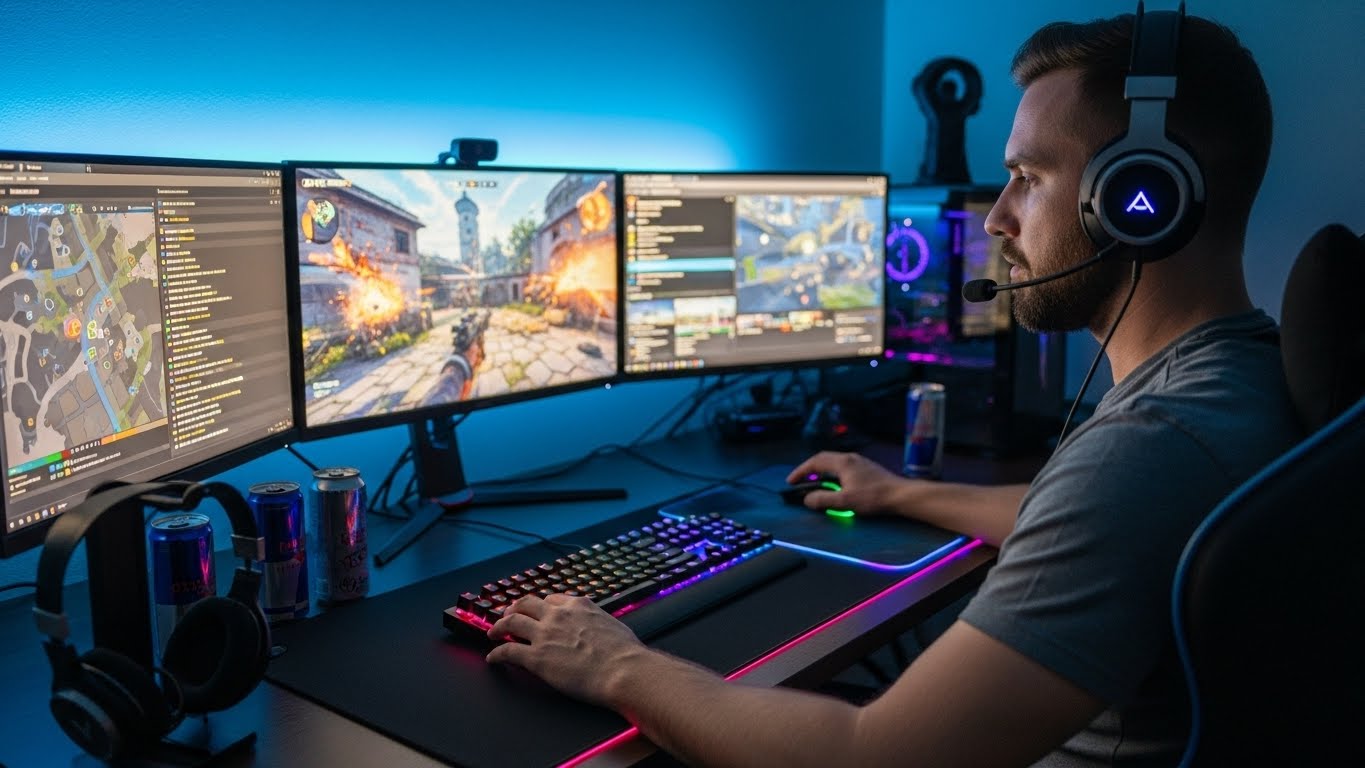
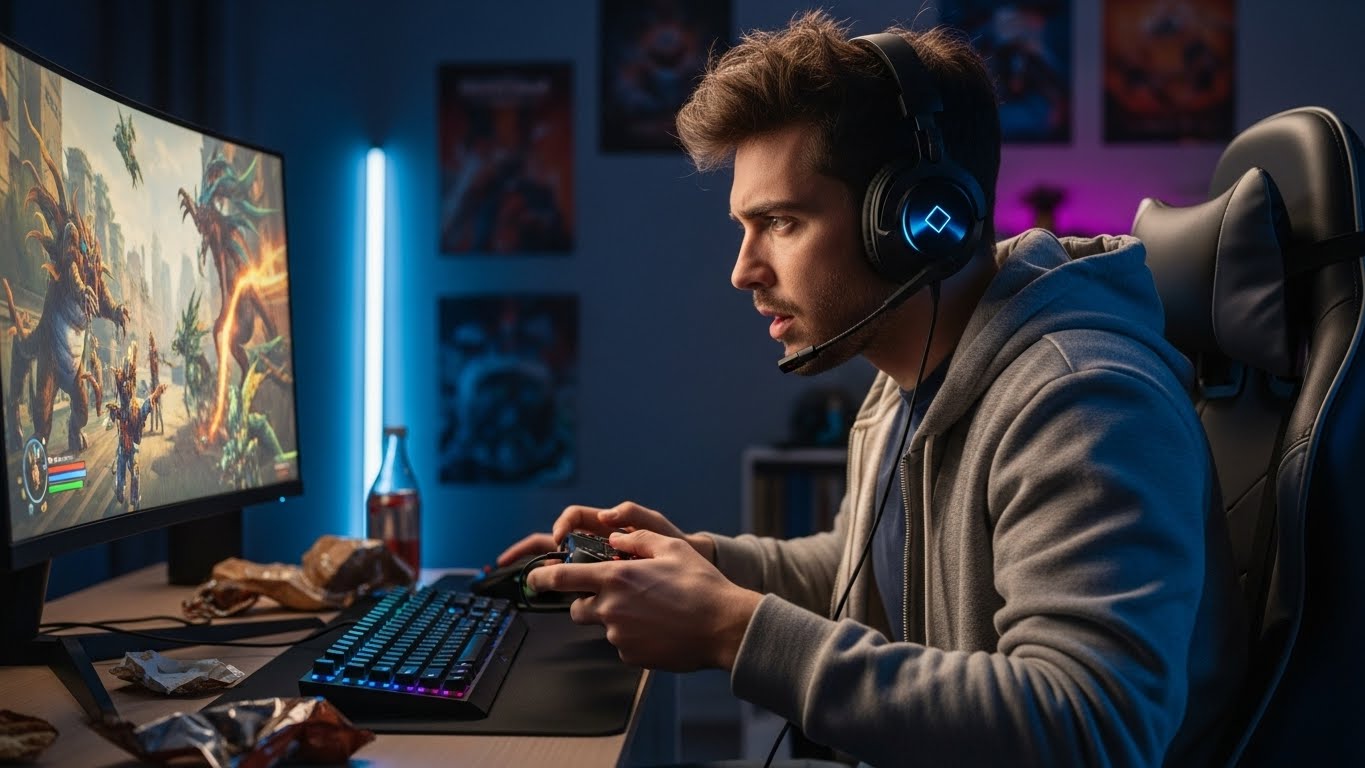
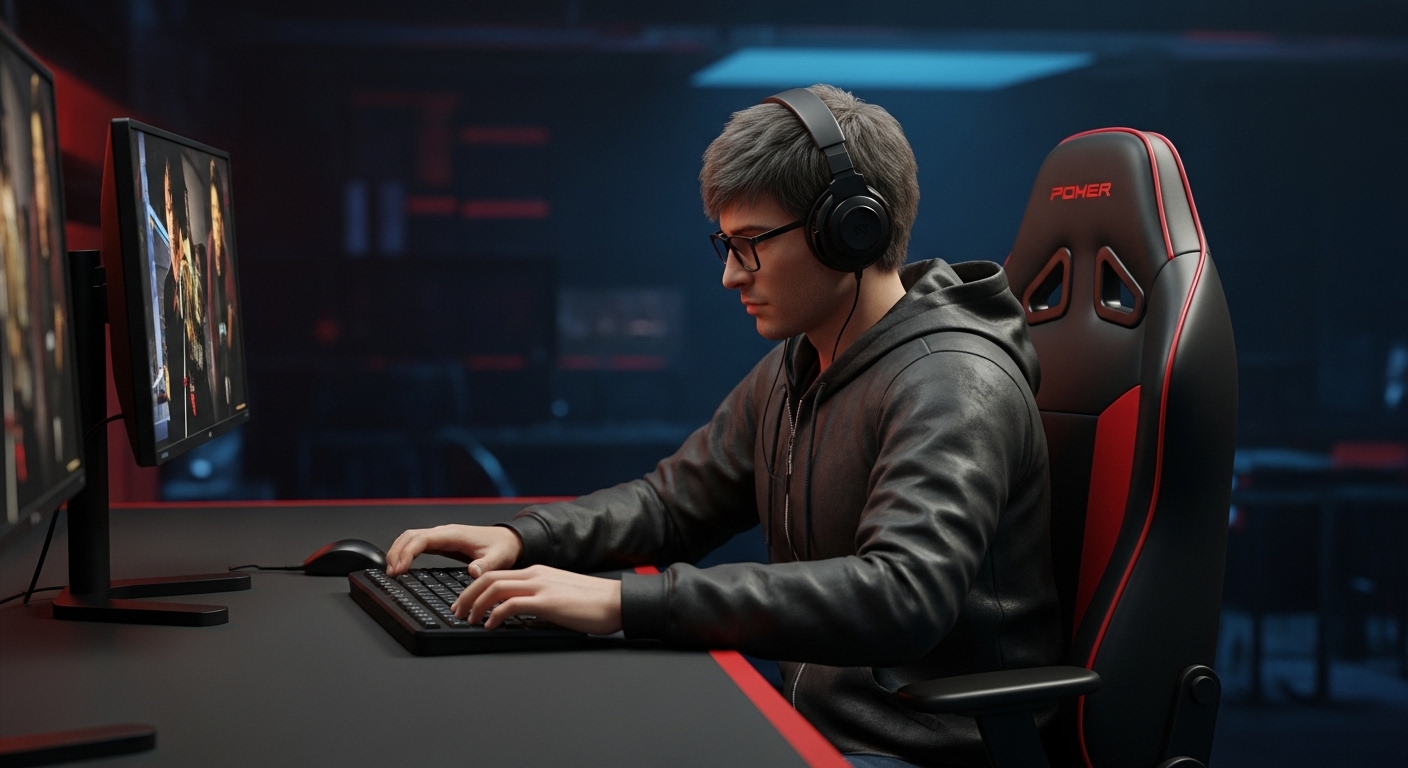
Gaming has become one of the most powerful forces shaping the modern world. What began as simple pixels on a screen has transformed into vast digital universes where imagination meets technology. For millions of people, gaming is not just entertainment—it’s an escape, a career, and a global culture that continues to expand beyond expectations.
The Birth of an Industry
The story of gaming began decades ago when arcade machines and early consoles introduced the world to interactive fun. Simple titles with limited graphics laid the foundation for a multibillion-dollar industry. Over the years, as technology advanced, games became more sophisticated, offering breathtaking visuals, complex stories, and deep emotional connections. The journey from the classic arcade era to the modern age of virtual reality shows how far creativity and innovation have taken gaming.
Gaming as a Storytelling Medium
Modern games are no longer limited to competition or high scores—they tell stories that rival novels and films. Developers have mastered the art of weaving emotion, conflict, and triumph into their creations. Players don’t just watch a story unfold; they become part of it. Every choice they make shapes the outcome, giving them a sense of ownership and immersion unmatched by any other form of entertainment. Gaming has evolved into a unique medium where art, narrative, and technology blend perfectly.
The Rise of Online Communities
One of the most remarkable aspects of gaming is its ability to connect people. Online multiplayer games bring together players from across the globe, forming friendships and rivalries that transcend borders. These digital worlds foster communication, teamwork, and collaboration. Whether it’s strategizing in competitive matches or building virtual empires, gaming communities have become digital societies where players find belonging and shared purpose.
Esports and the New Era of Competition
Esports has revolutionized how people view gaming. What was once considered a hobby has become a global sport, complete with professional teams, coaches, and tournaments that attract millions of viewers. Players train like athletes, dedicating hours to mastering their craft. Esports has created new careers and opportunities, proving that gaming is not just a pastime—it is a legitimate and respected profession.
Technology and Innovation in Gaming
Every leap in technology pushes gaming to new heights. Powerful graphics cards, realistic physics engines, and advanced AI make virtual worlds more lifelike than ever before. Virtual reality and augmented reality now allow players to step inside the game itself, blurring the line between real and digital experiences. Cloud gaming is also changing how people play, making high-quality games accessible from almost any device. Each innovation opens new doors for creativity and exploration.
The Educational and Psychological Benefits of Gaming
Gaming is often misunderstood, but it offers numerous benefits when enjoyed responsibly. Strategy games enhance problem-solving skills, while simulation games teach resource management and decision-making. Fast-paced games improve reflexes and concentration, while cooperative titles encourage teamwork and communication. Beyond that, gaming provides stress relief, creative inspiration, and even helps players develop perseverance by overcoming in-game challenges.
The Artistic Side of Gaming
Games are a modern form of art. Every detail—from sound design and visual aesthetics to narrative structure—is carefully crafted to evoke emotion. Beautifully designed landscapes, powerful musical scores, and expressive animations make gaming a truly immersive artistic experience. It’s a form of creativity that combines multiple disciplines, showcasing the incredible talent of developers, artists, and writers working together to bring virtual worlds to life.
The Global Impact of Gaming Culture
Gaming culture has become a global phenomenon that influences fashion, music, film, and even social trends. Iconic characters, memorable soundtracks, and in-game moments have become symbols of modern entertainment. Conventions and expos bring fans together to celebrate their shared love for games, while content creators and streamers have turned gaming into a thriving online community. Gaming is not confined to screens—it’s a cultural movement that defines a generation.
Challenges and Controversies in Gaming
Despite its success, gaming faces challenges that cannot be ignored. Issues like online toxicity, addiction, and unfair monetization practices raise concerns among players and parents alike. Developers and organizations are now working toward promoting responsible gaming and building inclusive environments. Addressing these challenges ensures that gaming remains a positive space for creativity, learning, and fun for everyone.
The Future of Gaming: Limitless Possibilities
The future of gaming promises experiences beyond imagination. Artificial intelligence will create smarter and more adaptive games, while virtual reality will make immersion deeper than ever. Players might soon interact with fully sentient digital characters or explore procedurally generated worlds that evolve endlessly. As technology continues to grow, the boundaries of gaming will expand, giving birth to new genres, new experiences, and new ways to connect.
Conclusion: A World Without Limits
Gaming is more than a hobby—it’s a reflection of human creativity and curiosity. It teaches, challenges, and connects us in ways no other medium can. From nostalgic classics to futuristic adventures, gaming continues to inspire and unite people around the world. It stands as a symbol of progress, imagination, and community. As long as technology and creativity exist, the world of gaming will continue to grow, offering endless adventures in the infinite realm of digital play.