Introduction: A New Era of Gaming
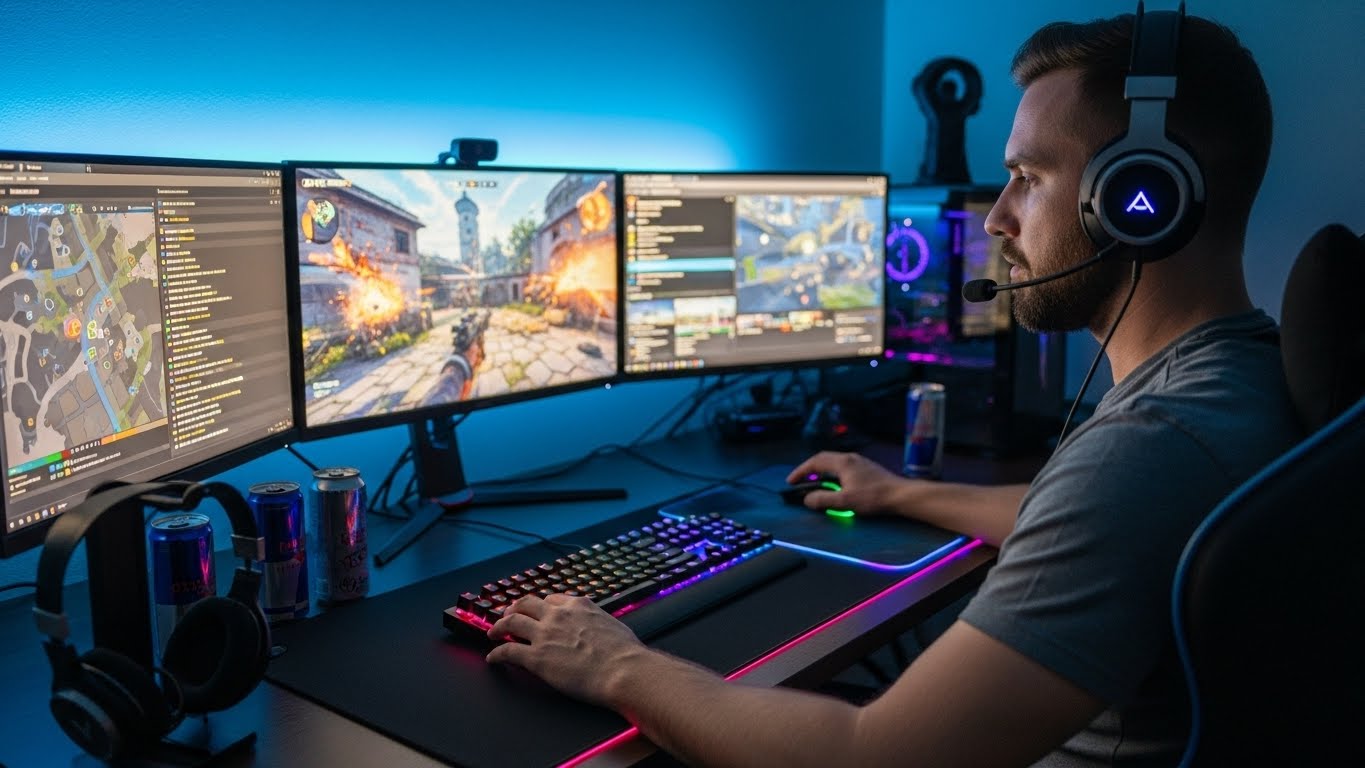
Gaming has evolved far beyond its humble beginnings. From the early days of simple pixelated screens to today’s expansive virtual worlds, the gaming landscape has undergone a massive transformation. As technology has advanced, so too has the complexity, immersion, and accessibility of video games. What was once a niche hobby enjoyed by a select group has now become a global phenomenon, influencing culture, entertainment, and even technology in profound ways. In this blog post, we will explore the journey of gaming, its evolution, and the future that lies ahead.
The Beginning: 8-Bit and the Birth of Video Games
In the 1970s and early 1980s, video games were rudimentary and far from what we know today. The earliest consoles, like the Atari 2600, featured basic graphics, limited sound, and simple gameplay mechanics. Games like Pong and Space Invaders were groundbreaking for their time, but they relied on basic principles like hitting a ball back and forth or shooting down enemies. These early games were often played on consoles that required bulky cartridges, and their graphics were made up of large, blocky pixels.
Despite their simplicity, these games captivated players, sparking the birth of a cultural movement that would grow exponentially over the next several decades. The 8-bit era, in particular, laid the foundation for gaming as an entertainment medium that would eventually rival film and music.
The 16-Bit Revolution: A Leap Forward
As the 1990s approached, gaming technology took a significant leap with the introduction of 16-bit graphics. This era brought iconic consoles like the Sega Genesis and the Super Nintendo Entertainment System (SNES). With improved processing power, developers could create games with more detailed graphics, more sophisticated soundtracks, and complex storylines.
Games such as Super Mario World, Sonic the Hedgehog, and The Legend of Zelda: A Link to the Past introduced players to expansive worlds and unforgettable characters. The 16-bit era also saw the rise of competitive gaming, with tournaments, arcade cabinets, and new genres like fighting games and platformers taking center stage.
The 3D Revolution: Entering a New Dimension
As we moved into the late 1990s and early 2000s, a dramatic shift occurred in the gaming world: 3D graphics became the new standard. The release of the Sony PlayStation, Nintendo 64, and Sega Dreamcast ushered in an era where video games were no longer limited to flat, two-dimensional landscapes. Now, players could explore fully realized 3D environments.
Games like Super Mario 64, The Legend of Zelda: Ocarina of Time, and Final Fantasy VII revolutionized the way we experienced games. 3D graphics allowed for greater depth, more realistic movement, and immersive worlds that felt alive. This was a significant turning point for both game developers and players, as it opened up new possibilities for game design, storytelling, and player interaction.
The Rise of Online Gaming: Connecting the World
As technology advanced further, the internet began to change the way people interacted with games. The late 1990s and early 2000s saw the rise of online multiplayer games, which allowed players from all over the world to connect and compete in real-time. Games like Halo 2 and World of Warcraft became cultural touchstones, creating online communities where players could meet, team up, and engage in epic battles.
The introduction of broadband internet made it possible for games to have massive multiplayer modes, drastically changing how we perceived gaming. It wasn’t just about playing alone anymore; the gaming community expanded, and social interaction became a major aspect of the experience. Online gaming created a new form of entertainment, where every player had the potential to be part of something much bigger than just their living room.
The Modern Era: Virtual Reality and Beyond
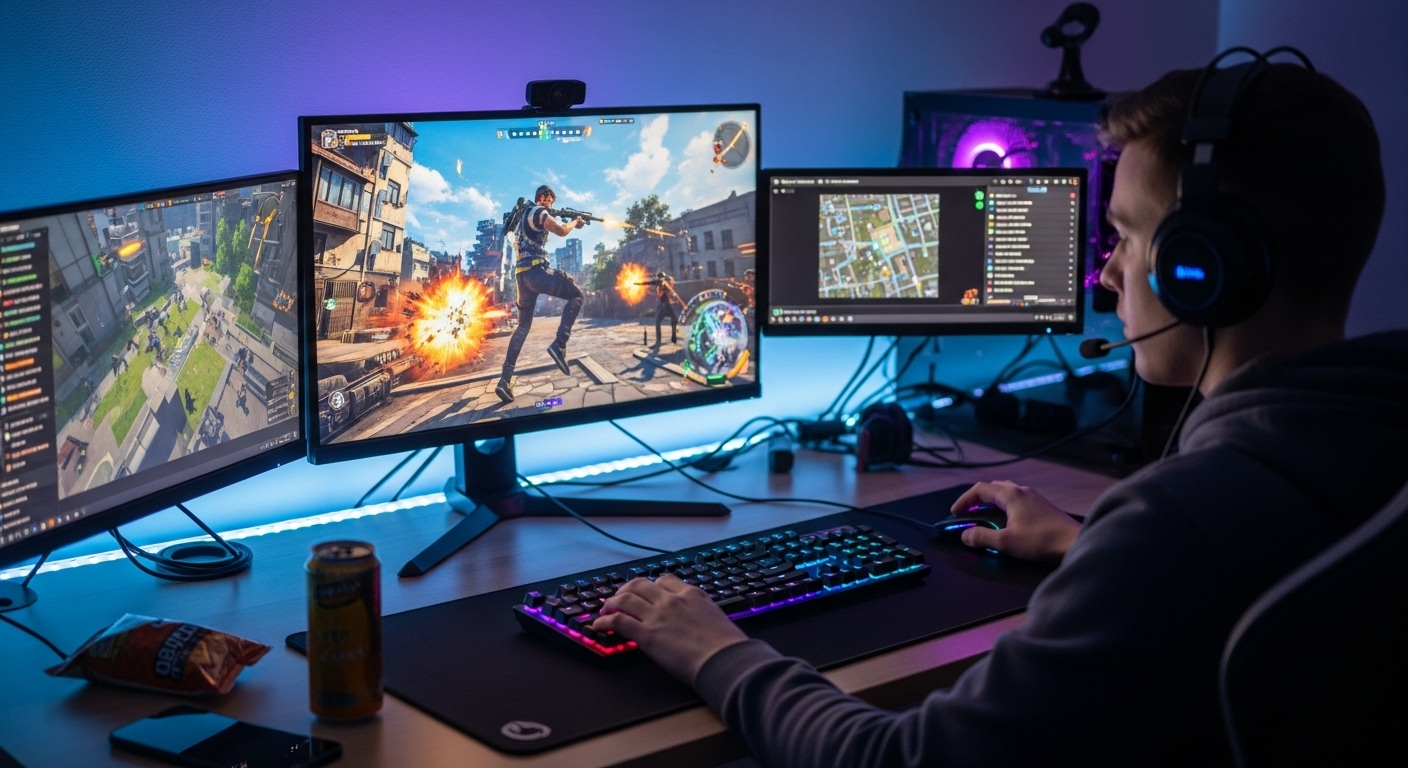
Today, gaming is more immersive than ever. The technology available allows for photorealistic graphics, expansive open worlds, and virtual environments that make you feel as though you’ve truly stepped inside the game. The advent of virtual reality (VR) and augmented reality (AR) has given rise to new, innovative ways of experiencing games, allowing players to physically move within and interact with digital worlds.
VR titles like Half-Life: Alyx and Beat Saber are pushing the boundaries of immersion, while AR games like Pokémon GO have brought games into the real world in ways previously unimaginable. The possibilities seem endless, with new innovations constantly emerging to redefine what it means to be a gamer.
Gaming and Culture: The Influence of Video Games on Society
Gaming has transcended its role as a mere pastime. Video games have become a cultural force that influences not only entertainment but also art, storytelling, and even politics. Esports, for example, has become a legitimate career path, with professional gamers earning sponsorships, endorsements, and tournament prizes. Popular game franchises like Fortnite and Minecraft have built massive online communities, where players can interact, create, and collaborate.
In addition, the narrative depth of games like The Last of Us and Red Dead Redemption 2 has led to greater recognition of gaming as a legitimate form of art and storytelling. The complex characters, themes, and emotions explored in these games have expanded the conversation about the role of video games in our cultural landscape.
Looking Ahead: The Future of Gaming
As we look to the future, the possibilities for gaming are nearly limitless. The continuous advancement of artificial intelligence (AI) and machine learning may lead to more responsive, dynamic game worlds. Cloud gaming is on the rise, allowing players to access high-quality games on any device, reducing the need for powerful hardware. The potential for cross-platform play and deeper social integration means that gaming will continue to evolve into a more inclusive, accessible, and interconnected experience.
Moreover, emerging technologies like brain-computer interfaces (BCIs) may one day allow us to control games with nothing more than our thoughts, taking immersion to unprecedented heights. With the rapid pace of technological innovation, it’s exciting to imagine what the future of gaming holds.
Conclusion: Gaming’s Bright Future
From pixelated screens to lifelike simulations, gaming has come a long way in a relatively short amount of time. What began as a simple form of entertainment has transformed into a multifaceted cultural and social phenomenon that continues to shape the world around us. As technology advances, so too will the ways we experience and interact with games.
In the years to come, gaming will only continue to push the boundaries of what’s possible, offering new and exciting ways to entertain, connect, and challenge us. Whether you’re a casual gamer or a dedicated enthusiast, one thing is certain: the future of gaming is brighter than ever.