The Rise of Gaming Culture
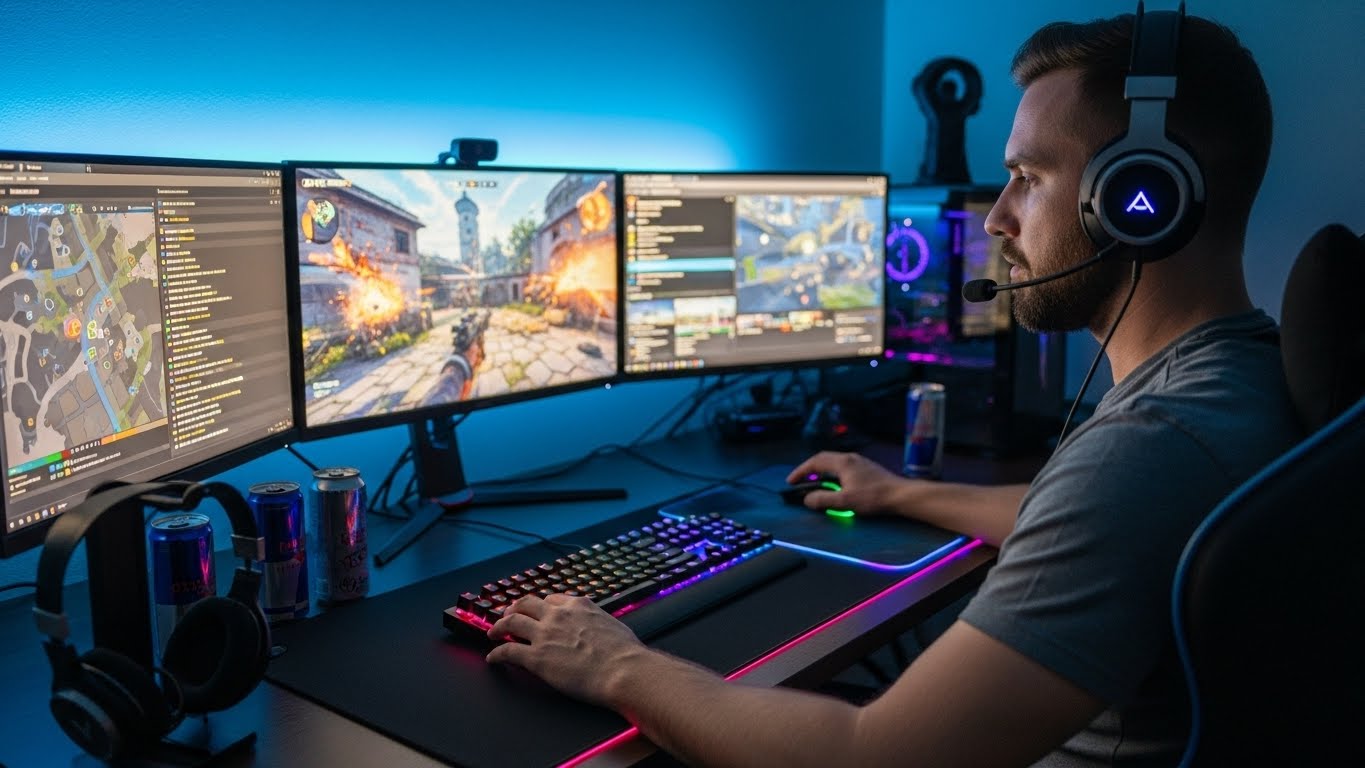
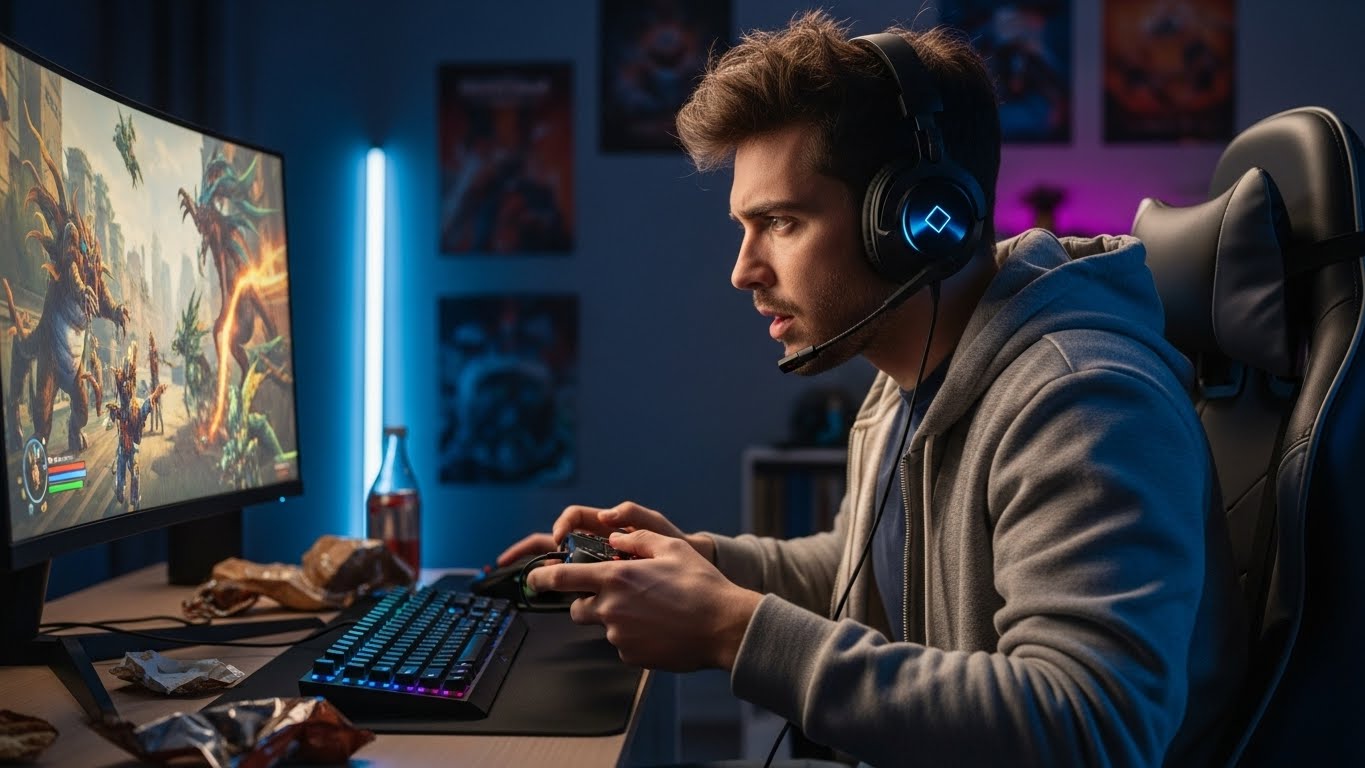
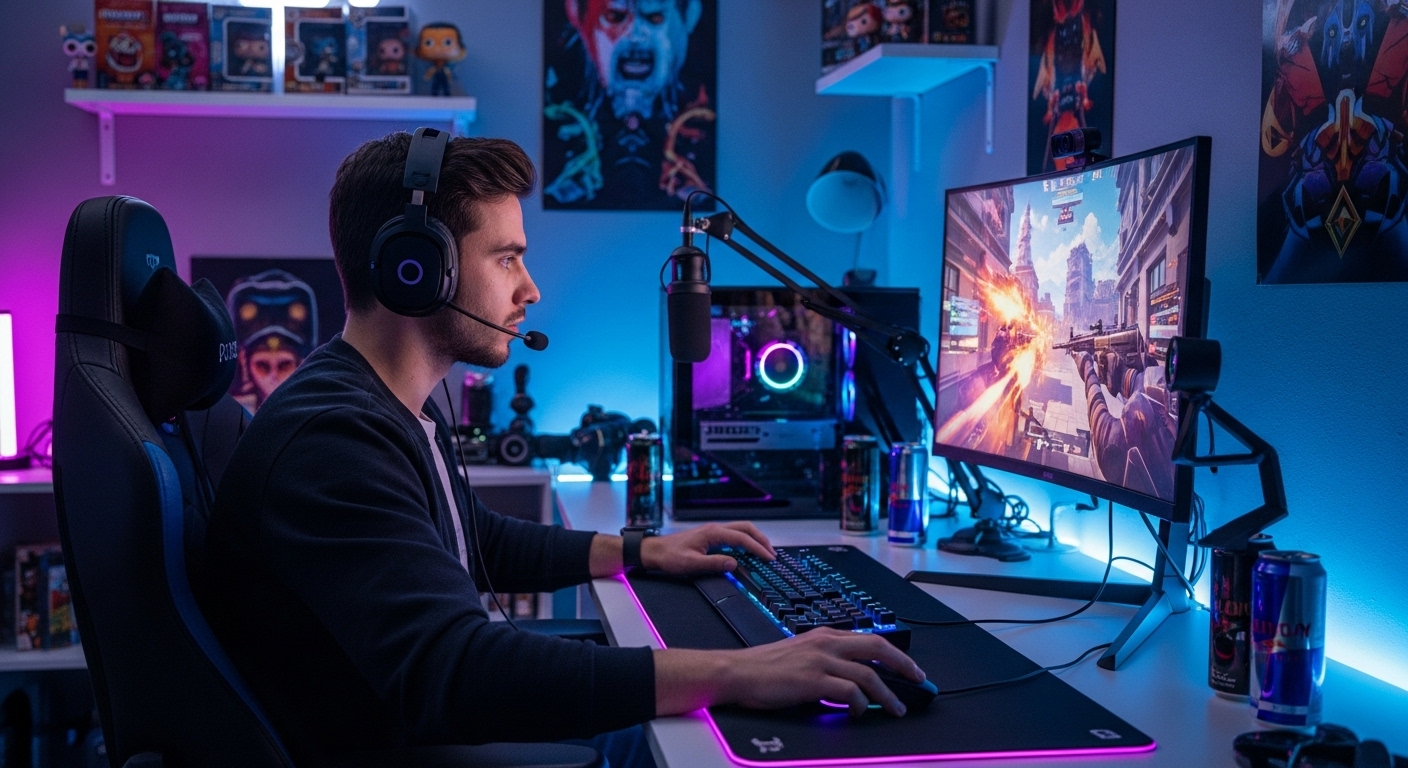
Gaming has evolved from simple pixelated screens to vast, immersive worlds that captivate millions worldwide. It is no longer just a hobby; it has become a significant part of modern culture. From consoles to mobile devices, games are accessible to all ages, offering diverse experiences ranging from casual fun to complex challenges. The growth of gaming has also created communities, conventions, and competitive events that bring players together in ways unimaginable just a few decades ago.
Connecting Through Play
One of the most remarkable aspects of gaming is its ability to connect people. Online multiplayer games allow friends and strangers alike to collaborate, compete, and communicate in real-time. These social interactions foster teamwork, strategy, and friendship, often extending beyond the digital world. Gaming communities have become spaces where individuals share ideas, achievements, and creativity, building bonds that transcend geography.
The Cognitive Power of Gaming
Gaming is more than entertainment; it can enhance mental abilities. Many games require problem-solving, quick decision-making, and strategic planning, sharpening cognitive skills in the process. Puzzle games improve analytical thinking, while action games enhance hand-eye coordination and reflexes. Story-driven games promote empathy and creativity, encouraging players to explore different perspectives and immerse themselves in rich narratives.
Gaming as a Career Path
For some, gaming has transformed into a professional pursuit. The rise of esports and content creation has turned passion into careers, with tournaments offering substantial prize pools and streaming platforms enabling gamers to reach millions. Game development itself is another avenue, combining art, storytelling, and technology. The professional gaming landscape continues to grow, showing that games can be both enjoyable and financially rewarding.
The Future of Gaming
The gaming industry is constantly evolving. Emerging technologies like virtual reality, augmented reality, and cloud gaming promise even more immersive experiences. These innovations aim to break traditional boundaries, making games more interactive and accessible than ever before. As technology progresses, gaming is poised to impact not just entertainment but education, social interaction, and even mental health in profound ways.
Conclusion
Gaming has grown into a powerful cultural and social force. It entertains, educates, and connects people across the globe. Whether played for fun, skill development, or professional ambition, gaming offers endless possibilities. It is a universe where imagination meets reality, challenges inspire growth, and connections flourish beyond the screen.