Gaming has transformed from a niche hobby into a cultural powerhouse. What was once considered a pastime for children and teenagers has evolved into a dynamic form of entertainment that spans all ages and backgrounds. Today, gaming is not only about fun but also about learning, creativity, social connection, and even professional growth. In this blog, we will explore the many dimensions of gaming, its impact on individuals and society, and why it has become a cornerstone of modern culture.
A Journey Through Gaming History
The journey of gaming began decades ago, with simple mechanical games and rudimentary digital experiments. The 1970s brought arcade classics like Pong, which introduced the concept of interactive entertainment to the masses. By the 1980s and 1990s, home consoles such as the Nintendo Entertainment System and Sega Genesis revolutionized the way people played. Iconic characters like Mario, Sonic, and Link became household names, and entire generations grew up immersed in vibrant virtual worlds.
The personal computer also played a key role in the evolution of gaming. PC games offered enhanced graphics, complex gameplay mechanics, and expansive worlds. Titles like Doom, Myst, and The Sims demonstrated the potential of games to challenge players intellectually and creatively. Today, with smartphones, virtual reality, and cloud gaming, players can access immersive experiences anytime, anywhere, marking a new era in the gaming revolution.
Beyond Entertainment: The Benefits of Gaming
Many people see gaming merely as entertainment, but it offers much more. One of the most notable benefits is cognitive development. Puzzle games, strategy simulations, and fast-paced action games improve problem-solving, decision-making, and hand-eye coordination. Games like chess simulations, Civilization, or Portal require critical thinking and planning, skills that can carry over into real-life scenarios.
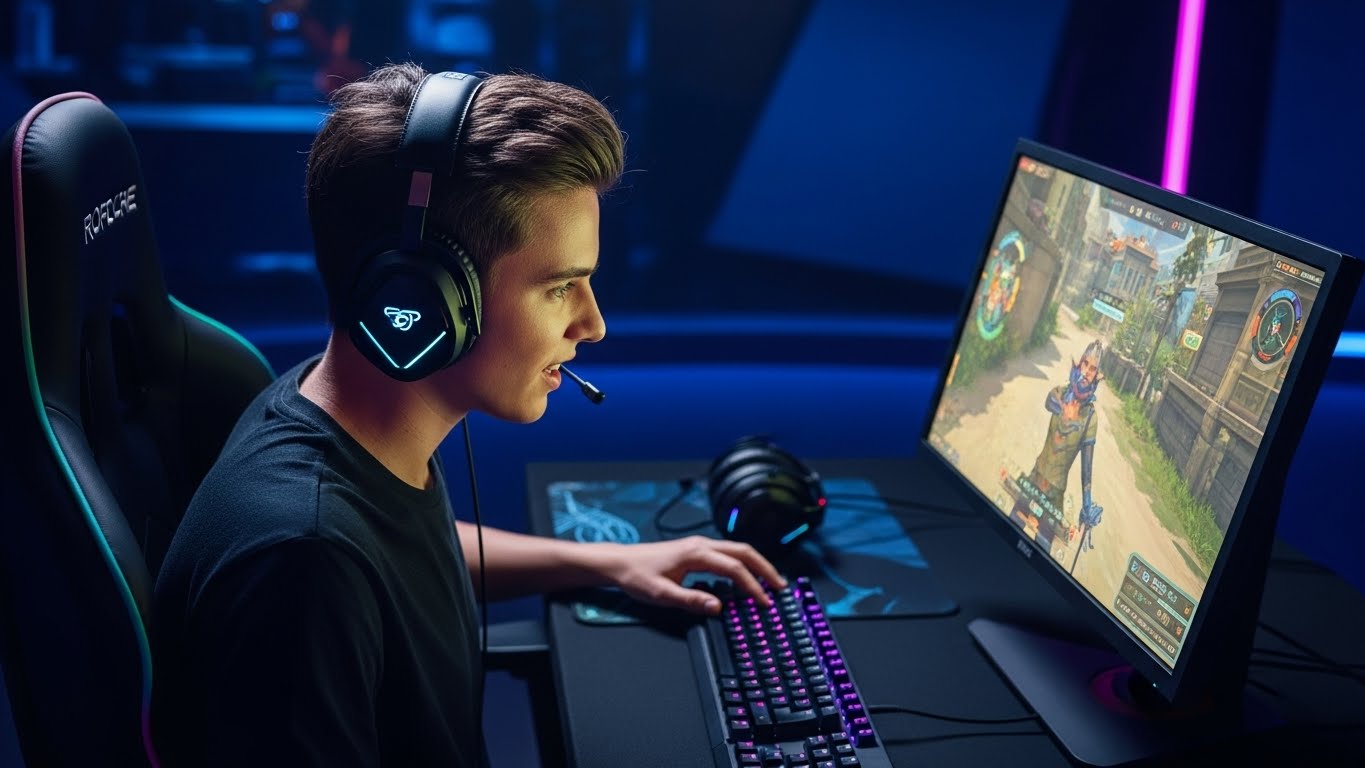
Gaming also offers emotional and social benefits. Multiplayer games foster teamwork, communication, and collaboration. Online communities allow players to meet like-minded individuals, share experiences, and even form lasting friendships. Games can also serve as a stress-relief mechanism, providing a safe space to unwind, explore new worlds, and experience adventure without leaving home.
The Rise of Competitive Gaming
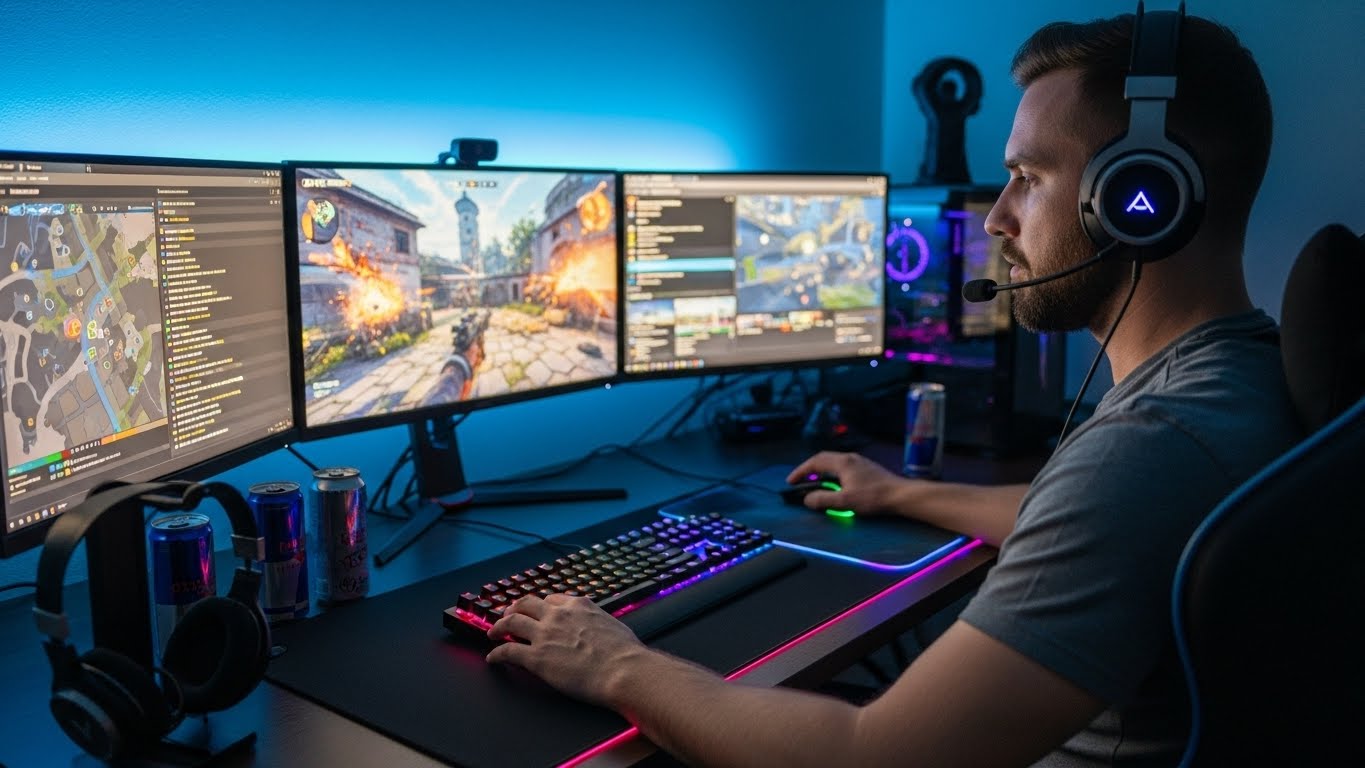
Competitive gaming, or eSports, has emerged as one of the most exciting developments in the gaming industry. Professional gaming tournaments now attract millions of viewers worldwide, with prize pools sometimes reaching millions of dollars. Games such as League of Legends, Counter-Strike, and Fortnite have established professional leagues and become serious career paths for skilled players.
eSports challenges traditional definitions of sports, requiring not just physical reflexes but also strategic thinking, team coordination, and psychological resilience. Professional gamers undergo rigorous training, analyze gameplay strategies, and maintain peak performance levels. This shift has elevated gaming from a leisure activity to a serious, respected profession.
Gaming as a Creative Outlet
One of the most compelling aspects of gaming is its potential for creativity. Many games allow players to build, design, and experiment in ways traditional media cannot. Sandbox games like Minecraft and Roblox enable users to construct vast virtual worlds, telling stories and expressing ideas in a visually dynamic format. Players are not passive observers; they are active creators shaping their experiences.
Narrative-driven games also showcase the power of storytelling. Titles like The Last of Us, Red Dead Redemption, and Life is Strange immerse players in emotionally rich worlds, challenging them to make choices that impact the story. This fusion of gameplay and narrative engages players on multiple levels, fostering empathy, imagination, and creative thinking.
Psychological Effects of Gaming
Gaming has profound psychological effects, both positive and negative. On the positive side, games can increase self-confidence, perseverance, and problem-solving skills. Completing challenges, advancing through levels, or achieving in-game goals provides a sense of accomplishment and motivation. Multiplayer games enhance social confidence and collaborative skills as players communicate and coordinate with teammates.
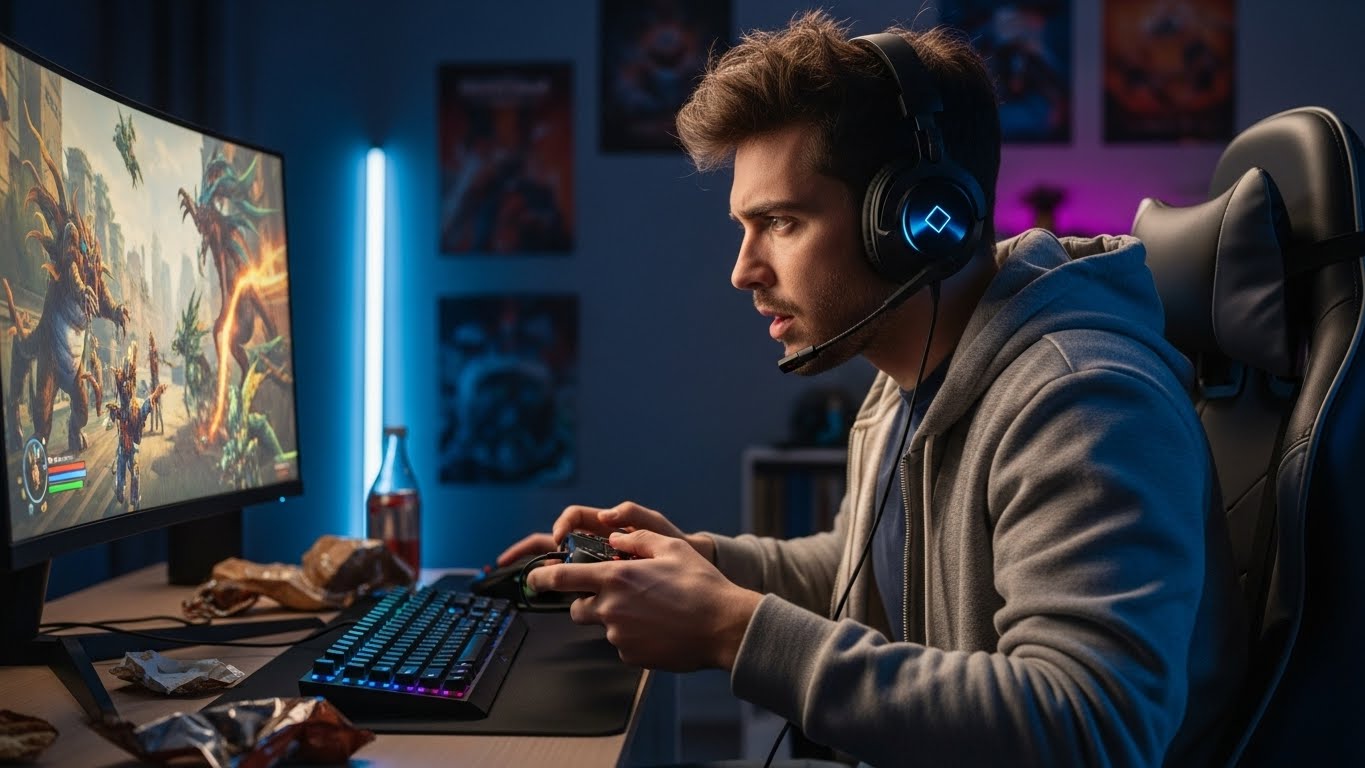
However, gaming must be approached responsibly. Excessive gameplay can lead to social isolation, disrupted sleep, and neglect of responsibilities. Mindful gaming involves balancing playtime with other life activities, setting healthy limits, and ensuring a well-rounded lifestyle. With the right approach, the positive psychological benefits of gaming far outweigh the negatives.
Gaming as a Social Connector
Contrary to popular stereotypes, gaming often brings people together rather than isolating them. Online multiplayer games encourage communication, collaboration, and shared experiences. Communities form around games, creating a sense of belonging and fostering meaningful connections. Gamers often participate in forums, fan events, and virtual meetups, strengthening bonds within and beyond the gaming world.
Events such as conventions and tournaments further enhance social interaction. Players gather to celebrate their passion, share strategies, and compete in a collaborative environment. Gaming has become a cultural bridge, connecting individuals across diverse backgrounds and providing a shared space for connection, teamwork, and community building.
Technology Driving the Gaming Revolution
The gaming industry is tightly linked with technological advancements. High-performance graphics, fast processors, and improved internet connectivity have transformed gaming experiences. Virtual reality (VR) and augmented reality (AR) have introduced new dimensions, immersing players in lifelike environments that challenge perceptions and expand possibilities.
Artificial intelligence (AI) enhances gameplay by creating intelligent non-player characters and adaptive game worlds. Procedural generation technology allows for infinitely varied environments, ensuring that no two gaming experiences are the same. These innovations have elevated gaming from simple amusement to a sophisticated, interactive art form.
Educational and Skill-Building Applications
Gaming is not just entertainment; it is also a powerful educational tool. Educational games teach subjects like math, science, and history in interactive ways that engage students more deeply than traditional methods. Gamification, the application of game design elements to learning, motivates learners by incorporating challenges, rewards, and immersive experiences.
In addition, professional training programs leverage gaming principles to teach critical skills. Simulation games and virtual environments help develop decision-making, problem-solving, and teamwork abilities in a safe and controlled context. As a result, gaming has become a versatile medium for education, personal growth, and skill development.
Challenges in the Gaming World
Despite its many benefits, gaming faces challenges and controversies. Addiction, excessive screen time, and exposure to inappropriate content are common concerns. It is essential for players, parents, and educators to cultivate healthy gaming habits and monitor engagement.
Another challenge is representation and inclusivity. The gaming industry has historically been criticized for gender imbalances, stereotypes, and limited diversity. Recent efforts are addressing these issues, creating more inclusive games that reflect a wider array of experiences, perspectives, and voices. Ensuring accessibility and diversity is vital for the continued growth and relevance of gaming culture.
The Future of Gaming
The future of gaming is full of possibilities. Cloud gaming promises accessibility without the need for high-end hardware, while artificial intelligence and machine learning will enable personalized, adaptive experiences. Social and cultural integration will continue to redefine how gaming fits into our daily lives, serving as platforms for connection, education, and professional development.
Virtual and augmented reality will make gaming increasingly immersive, blurring the lines between the digital and physical worlds. As technology evolves, so too will the ways players engage, interact, and create within virtual spaces. Gaming will continue to push boundaries, expand cultural influence, and inspire innovation for years to come.
Conclusion
Gaming is far more than a leisure activity; it is a multifaceted phenomenon shaping culture, education, and social interaction. From enhancing cognitive abilities and fostering creativity to offering career opportunities and building communities, gaming impacts countless aspects of life. While challenges exist, responsible and mindful engagement allows players to reap the benefits of this dynamic medium.
As gaming continues to evolve, it offers endless opportunities for exploration, learning, and self-expression. Whether you are a casual player, a competitive gamer, or someone seeking to understand the cultural impact of games, the world of gaming holds something for everyone. Embracing gaming is embracing a journey that combines creativity, strategy, connection, and growth—a journey with infinite possibilities.