Introduction
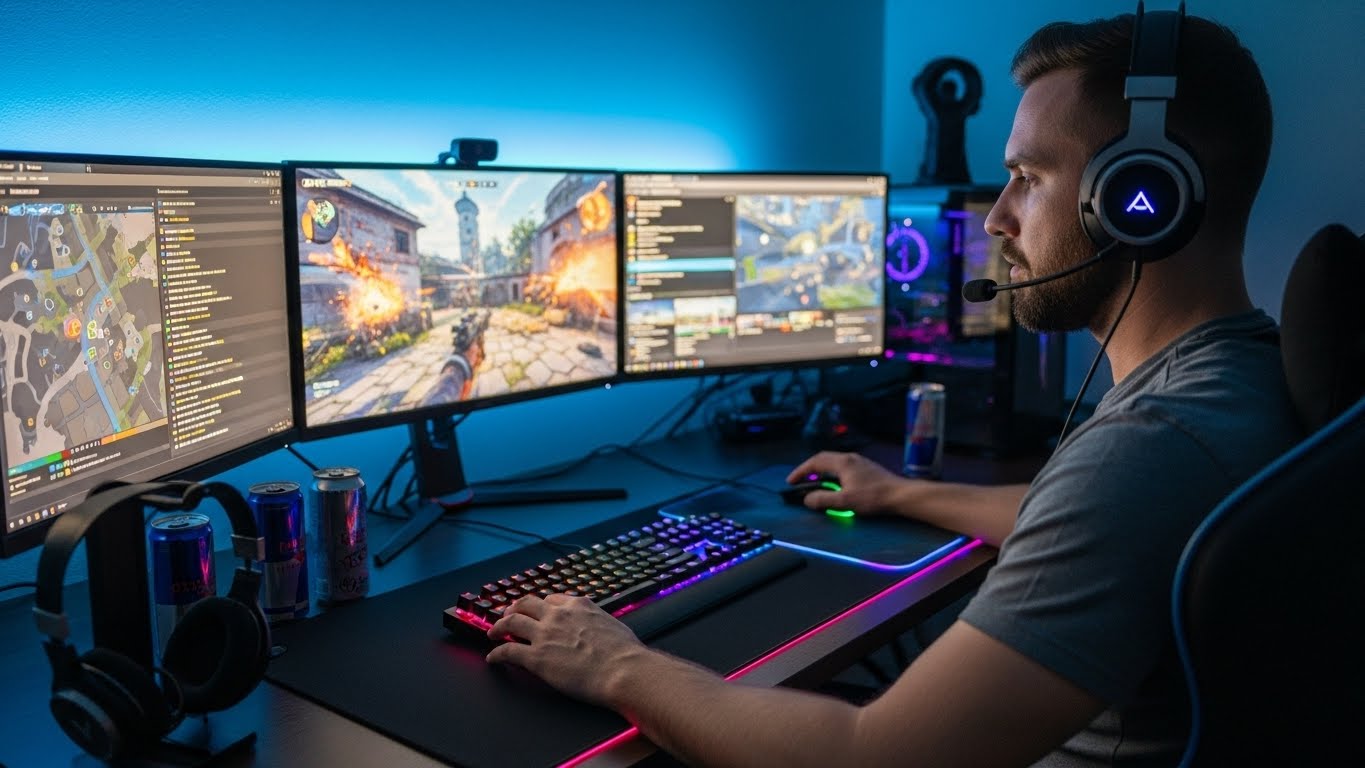
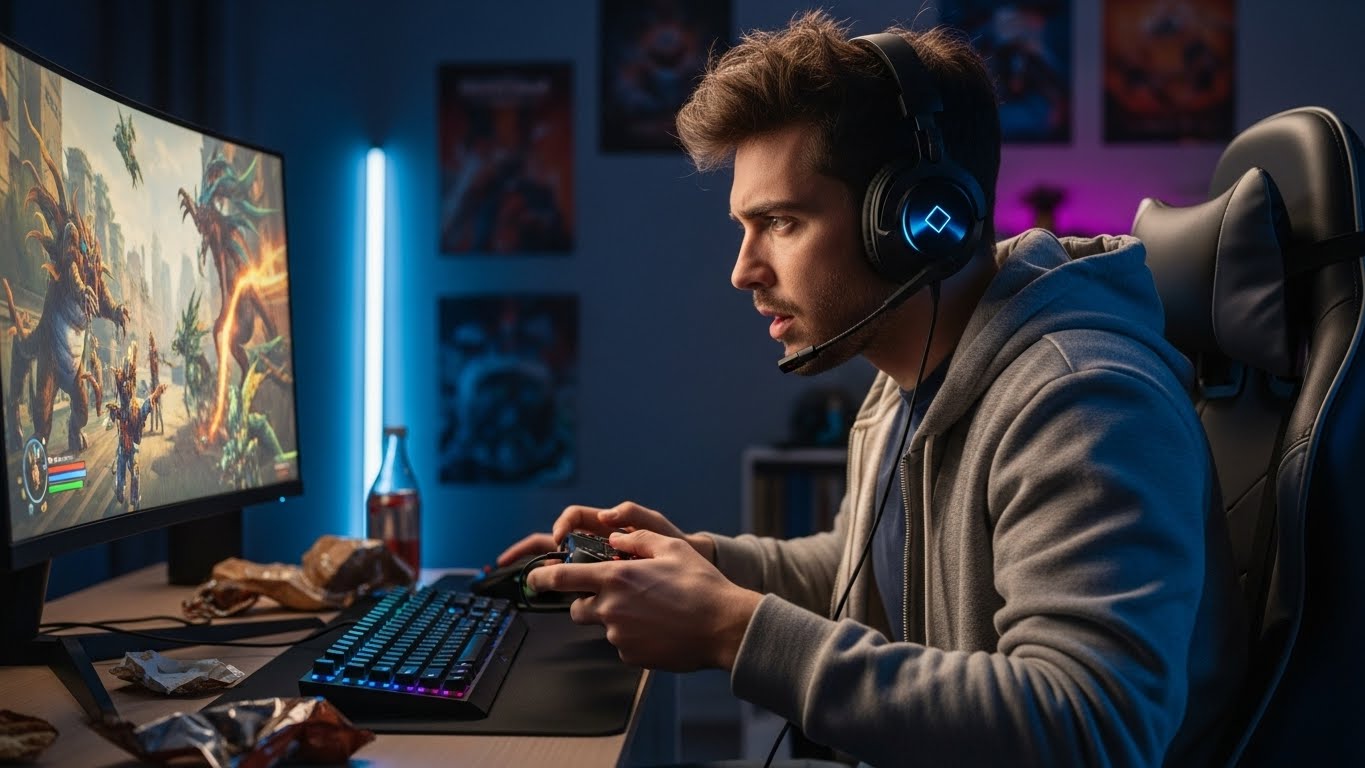
In recent years, gaming has grown from a hobby to a global cultural phenomenon. What was once seen as an activity for kids or niche enthusiasts is now one of the largest forms of entertainment in the world. Whether it’s a casual mobile game or a deeply immersive role-playing experience, gaming has become a dynamic force in shaping modern culture, technology, and even education.
The Changing Landscape of Gaming
Gone are the days when gaming was confined to arcades or home consoles with limited capabilities. With the rise of powerful PCs, next-gen consoles, and mobile devices, the gaming landscape has expanded drastically. What began with basic 2D pixelated graphics has now transformed into stunningly detailed 3D worlds, offering players the ability to explore vast landscapes, solve complex puzzles, and engage in intricate storylines. The evolution of gaming technology has led to more realistic, interactive, and engaging experiences than ever before.
Gaming as a Social Experience
One of the most significant changes in gaming over the past decade has been its transformation into a social activity. Online multiplayer games allow players to connect with others across the globe in real time. Gone are the days of playing alone in a room; now, friends and strangers alike can team up to tackle challenges, fight enemies, or simply hang out in virtual worlds. Games like Fortnite, Minecraft, and League of Legends have built massive online communities where players interact, chat, and form bonds. Gaming is no longer just a solitary pastime; it’s a community-building experience that brings people together, no matter the distance.
The Impact of Gaming on Learning
It’s not just about fun and games anymore. Many educational institutions have started to recognize the potential of gaming in the classroom. Video games have proven to enhance skills such as problem-solving, critical thinking, and collaboration. Games like SimCity and Civilization teach players about strategy, management, and the consequences of decisions. In fact, gamification—the process of applying game-like elements to non-game activities—is becoming a popular way to engage students in subjects like math, history, and even coding. Gaming is no longer just entertainment; it’s an educational tool that’s shaping the way we learn and think.
Gaming as a Platform for Creative Expression
Another exciting aspect of modern gaming is its ability to serve as a canvas for creativity. Games like The Sims, Minecraft, and Roblox allow players to design and create their own worlds, characters, and even entire stories. Whether it’s building a city, designing fashion, or scripting complex game mechanics, players can use these platforms to express their creativity. The line between developer and player has blurred, giving everyone the opportunity to become both a consumer and creator of gaming experiences.
Esports: A New Era of Competition
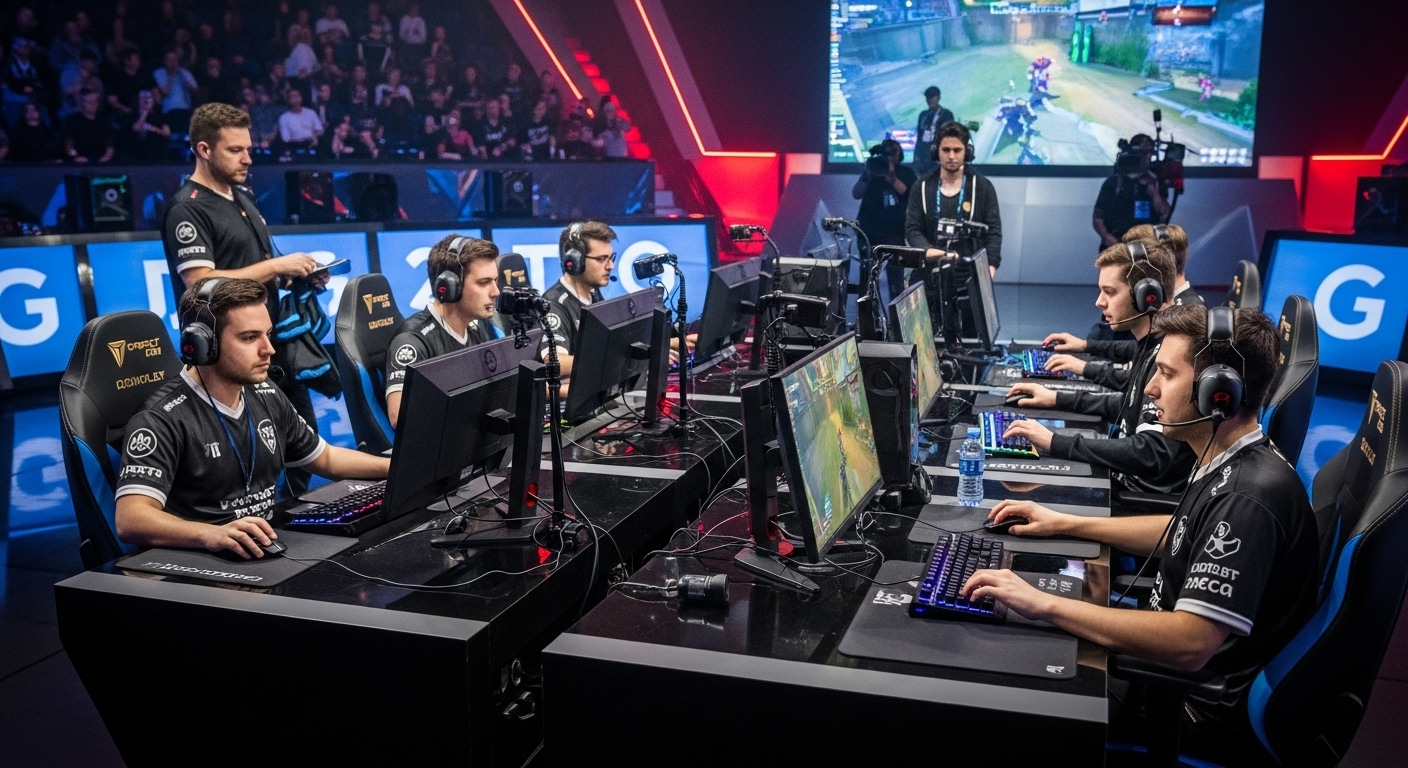
While gaming has long been about fun and entertainment, it has also evolved into a professional sport. Esports has rapidly grown into a billion-dollar industry with professional leagues, sponsorships, and global tournaments. Top gamers compete in high-stakes competitions for massive prize pools, and their matches are broadcast to millions of viewers worldwide. The rise of esports has turned gaming into not just a hobby, but a career for many individuals. With sponsorships, streaming platforms, and dedicated fan bases, esports is now a global industry in its own right.
The Future of Gaming
As we look ahead, the future of gaming is filled with exciting possibilities. Virtual reality (VR) and augmented reality (AR) are set to revolutionize the way we experience games, offering even more immersive experiences. Cloud gaming is another area with vast potential, allowing players to access high-quality games on any device without needing powerful hardware. Artificial intelligence (AI) is also pushing the boundaries of gaming, with AI-driven characters and dynamic storylines that respond to players’ choices in real-time. The future of gaming isn’t just about better graphics—it’s about deeper, more immersive experiences that blend technology and creativity in ways we can only begin to imagine.
Conclusion
Gaming has come a long way since its early days, and it shows no signs of slowing down. From social interactions and education to creative expression and competitive sports, gaming is a versatile medium that continues to shape the world in unexpected ways. Whether you’re a casual player or a professional, the gaming industry has something for everyone, and its future promises to be even more exciting and innovative. The world of gaming is not just a hobby—it’s a dynamic and ever-evolving part of modern life.