
The Evolution of Gaming
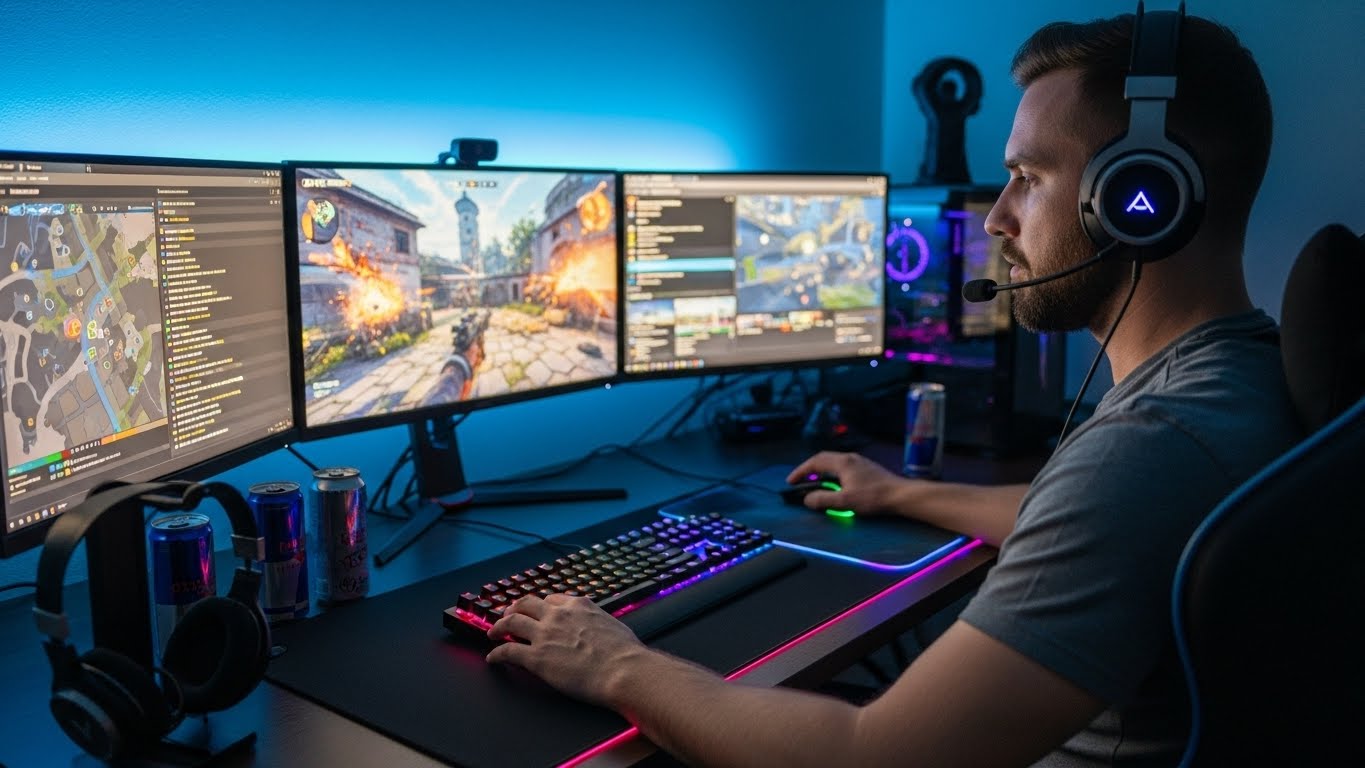
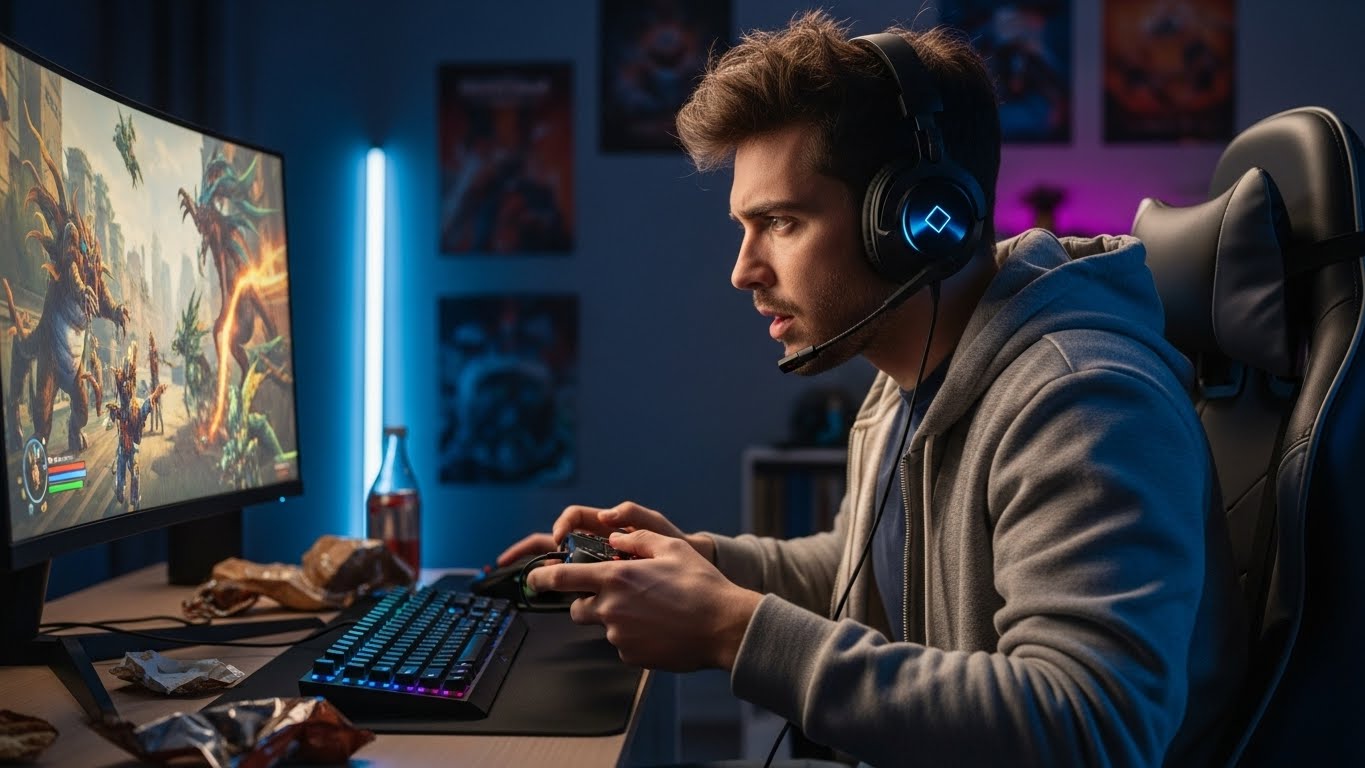
Gaming has transformed from a simple hobby into one of the most powerful and influential forms of entertainment in modern culture. What began with pixelated screens and beeping sounds has evolved into immersive virtual worlds filled with lifelike graphics, intricate storylines, and vast online communities. The gaming industry today rivals — and often surpasses — the movie and music industries in both revenue and cultural impact. This transformation reflects how technology, creativity, and human curiosity continue to merge in unprecedented ways.
In the early years, games like Pong and Tetris introduced the world to the concept of interactive fun. These games were limited by technology but boundless in imagination. As computers became faster and consoles more advanced, gaming expanded into new territories — from side-scrolling adventures to complex 3D worlds. The arrival of the internet revolutionized everything, turning solitary experiences into social interactions. Players were no longer competing against artificial intelligence alone but with millions of others across the globe.
The Rise of Modern Gaming Platforms
Today’s gaming platforms are more powerful and diverse than ever before. Consoles like PlayStation, Xbox, and Nintendo Switch deliver cinematic experiences, while PC gaming remains the choice of enthusiasts seeking customization and peak performance. Meanwhile, mobile gaming has made interactive entertainment accessible to everyone with a smartphone. This democratization of gaming has led to a massive global player base spanning all age groups and demographics.
Cloud gaming is the newest frontier, allowing players to stream high-end titles without needing expensive hardware. Services powered by remote servers are making it possible to enjoy the most advanced games on any device with an internet connection. This technological leap removes physical limitations and opens the door to new audiences who may never have considered gaming before.
The Impact of Esports on Global Culture
Esports, once dismissed as a niche activity, has now become a global phenomenon. Competitive gaming has professional leagues, sponsorships, and audiences that fill entire stadiums. Millions of fans tune in to watch tournaments where elite players compete for massive cash prizes. Games like Dota 2, League of Legends, and Counter-Strike have built ecosystems that rival traditional sports in organization and scale.
The rise of esports has also given birth to a new class of celebrities. Streamers and professional gamers command fanbases in the millions, influencing trends, fashion, and even mainstream entertainment. What makes esports so unique is its accessibility. Unlike traditional sports, anyone with a computer and dedication can train to compete at the highest levels. This inclusivity fuels its continued growth and ensures that gaming remains at the forefront of global entertainment.
The Power of Storytelling in Games
Modern games are no longer just about competition; they are masterpieces of storytelling and emotion. Titles such as The Last of Us, Red Dead Redemption, and God of War demonstrate that video games can deliver narratives as powerful as those found in books or films. Players do not merely watch the story unfold — they become part of it, shaping outcomes through choices and actions.
This interactivity gives games a unique emotional depth. Players form personal connections with characters and worlds because they participate in their journeys. Story-driven games have also opened new creative opportunities for writers, artists, and composers, turning game development into a multidisciplinary art form. The blending of technology and storytelling has made gaming one of the most expressive mediums in existence.
Virtual Reality and the Future of Immersion
Virtual reality (VR) has pushed the boundaries of what gaming can achieve. No longer confined to screens, players can now step directly into digital worlds. With VR headsets and motion tracking, gaming has become a full-body experience. Players can look around, move naturally, and interact with their environment as if they were truly there.
Although still developing, VR represents a major leap toward the next generation of entertainment. Beyond games, it is being used for education, therapy, and even social interaction. In gaming, VR delivers immersion that traditional screens cannot replicate. It allows players to live their fantasies, explore impossible landscapes, and engage in experiences that feel truly real.
Augmented reality (AR) adds another dimension, blending digital elements with the real world. Games like Pokémon GO demonstrated the massive potential of AR, encouraging players to explore their surroundings while interacting with digital creatures. Together, VR and AR are setting the stage for a future where the boundaries between physical and virtual realities blur completely.
The Social Side of Gaming
One of the most overlooked aspects of gaming is its power to connect people. Online gaming communities are thriving ecosystems where players collaborate, compete, and build friendships across continents. Voice chats, guilds, and multiplayer modes turn gaming into a social experience that transcends cultural and linguistic barriers.
In a time when digital interaction often replaces physical gatherings, gaming provides a sense of belonging and teamwork. Whether it’s forming strategies in a battle royale game or celebrating victories in cooperative adventures, players share emotions and experiences that create lasting memories. This sense of community is one of the reasons gaming continues to grow year after year.
The Economic and Technological Influence of Gaming
The gaming industry is now one of the most profitable sectors in technology. It drives innovation in graphics, artificial intelligence, and even computer hardware design. Graphics processing units (GPUs), originally developed for games, now power scientific research, artificial intelligence, and cryptocurrency mining. Game development has pushed the limits of what machines can achieve, often leading to breakthroughs that impact other industries.
Gaming also fuels the global economy through content creation. Streamers, YouTubers, and developers form an interconnected ecosystem that supports millions of jobs worldwide. The rise of indie game development has shown that creativity and storytelling matter just as much as large budgets. Small teams can now create hit games that captivate players and compete with major studios, proving that passion and innovation can thrive anywhere.
Gaming and Mental Health
Contrary to outdated stereotypes, gaming offers numerous mental and emotional benefits. Studies have shown that games can enhance problem-solving skills, improve hand-eye coordination, and promote strategic thinking. Cooperative games foster teamwork and communication, while story-driven titles can help players explore emotions and develop empathy.
Gaming also serves as an escape and stress reliever for millions. In a world that often feels overwhelming, digital adventures provide a safe space to unwind, achieve goals, and experience accomplishment. Many therapeutic applications now use gaming to support people with anxiety, depression, and social challenges, proving that games can be powerful tools for personal well-being.
The Challenges Facing the Gaming Industry
Despite its successes, the gaming world faces challenges that must be addressed. Issues such as toxicity in online communities, addiction concerns, and exploitative monetization practices have sparked important conversations. Developers and communities alike are working toward creating safer, more inclusive spaces for everyone.
Another major challenge is balancing creativity with business. As the industry grows, the pressure to produce commercially successful games can limit innovation. However, many developers continue to push boundaries, using their platforms to tell meaningful stories and experiment with bold ideas. The balance between artistic expression and profit will define the next era of gaming.
The Future of Gaming
The future of gaming looks boundless. With the advancement of artificial intelligence, players may soon interact with dynamic characters that learn and evolve in real time. Procedural generation could make every playthrough unique, and cloud computing may render physical hardware obsolete. Gaming is moving toward universality — accessible to anyone, anywhere, at any time.
The line between player and creator is also fading. User-generated content platforms empower gamers to design their own worlds, levels, and even full games. This participatory culture transforms players from consumers into creators, shaping the future of the medium itself.
As gaming continues to merge with technology like AI, VR, and AR, it will redefine how humans experience entertainment, education, and even reality. The next decade promises a new chapter where gaming becomes not just a pastime but an integral part of life, creativity, and communication.
Conclusion
Gaming is more than entertainment — it is a revolution of art, technology, and connection. From its humble beginnings to its high-tech future, gaming continues to push boundaries, challenge conventions, and unite people across the globe. As virtual worlds grow more vivid and interactive, they mirror our own desires for exploration, expression, and community.
The infinite arena of gaming reminds us that technology is not just about machines; it is about imagination, emotion, and the human spirit. Every game tells a story, every player shapes a world, and every moment spent in play brings us closer to understanding what it truly means to create, connect, and dream without limits.