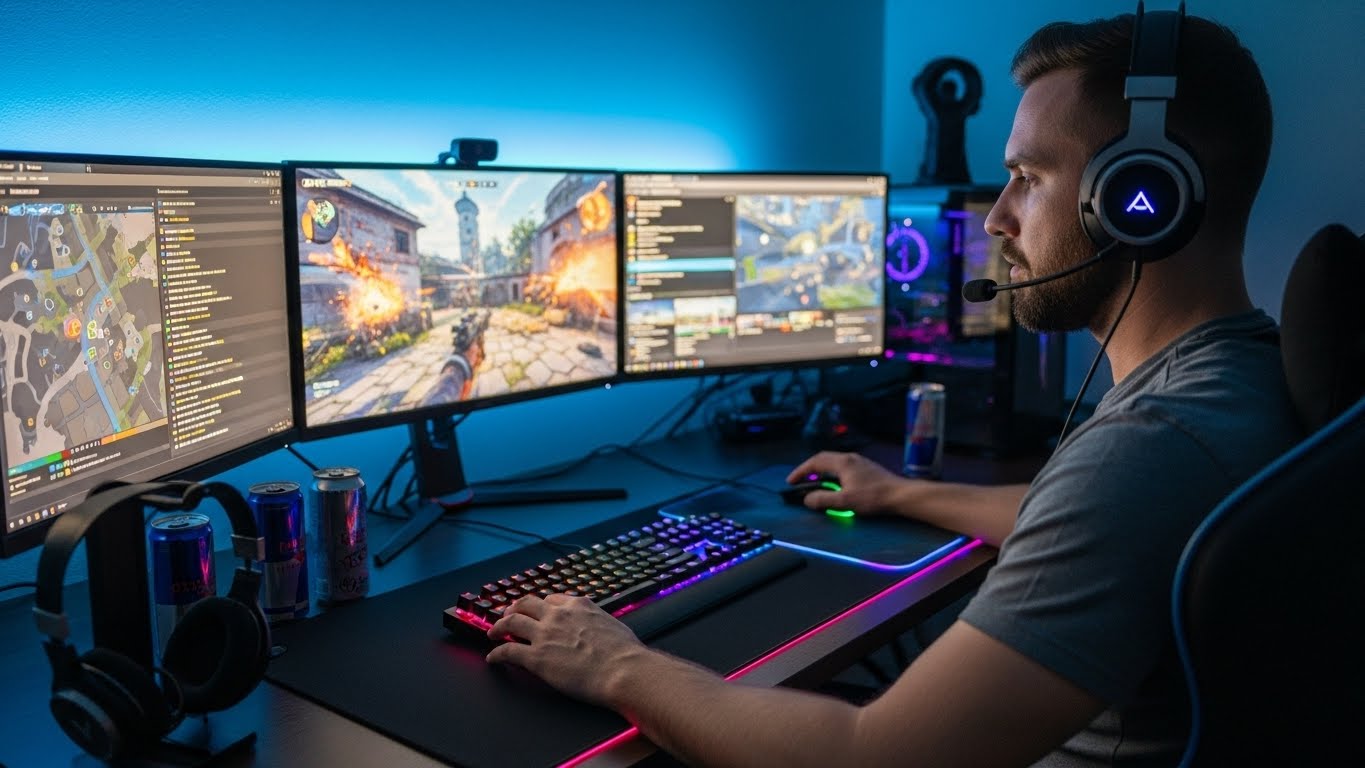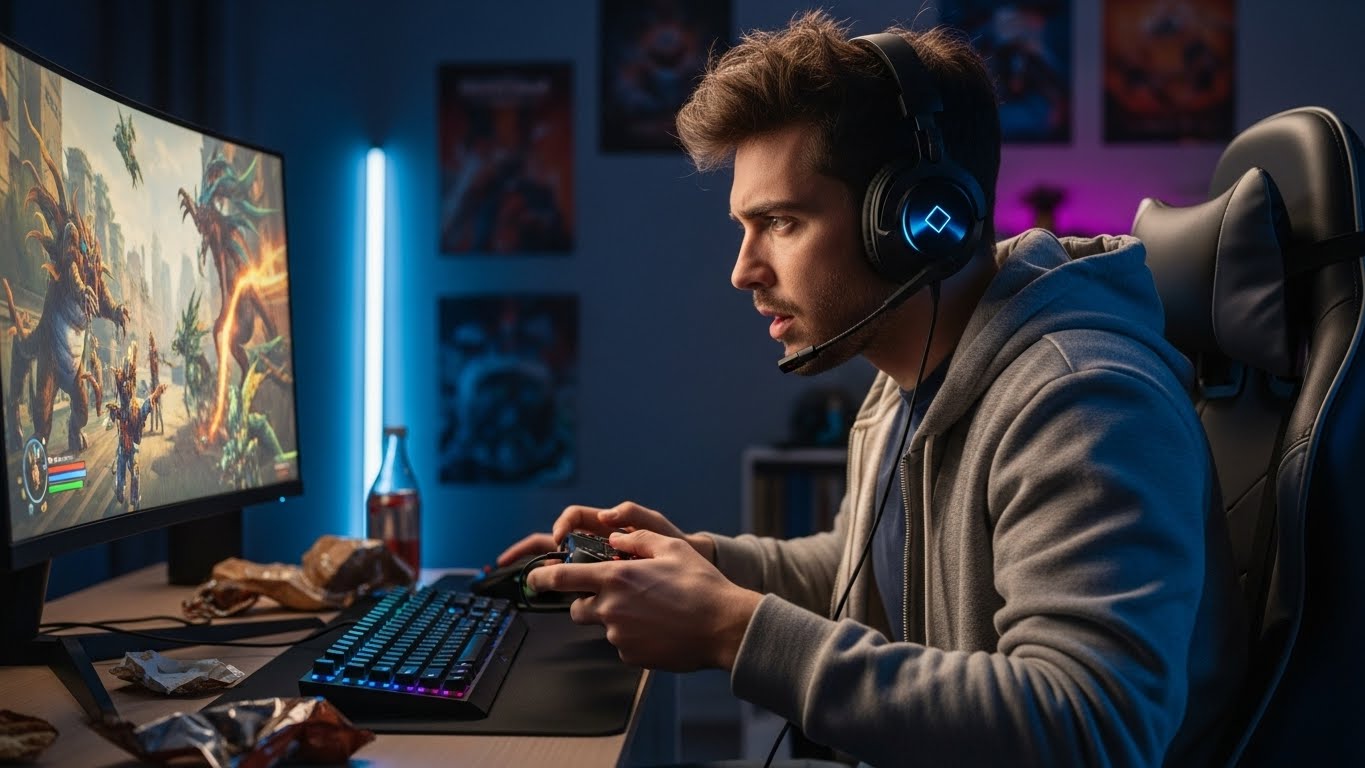

Gaming has transformed from a casual pastime into a dynamic industry that influences entertainment, culture, and technology. Once limited to simple arcade machines and home consoles, gaming now encompasses complex online worlds, competitive esports, virtual reality, and immersive storytelling. Millions of players worldwide engage in gaming not only for fun but also for social connection, skill development, and even professional careers. This blog explores the evolution of gaming, its societal impact, technological advancements, and the future of interactive entertainment.
The Evolution of Gaming
Gaming has come a long way since its humble beginnings. In the 1970s, arcade machines like Pong and Space Invaders captured the imaginations of players, laying the foundation for the gaming industry. The 1980s saw the rise of home consoles such as the Atari 2600 and Nintendo Entertainment System, making gaming a household activity.
The 1990s introduced more complex games with advanced graphics, multiplayer functionality, and immersive narratives. PC gaming also gained popularity during this era, with titles like Doom and Warcraft paving the way for competitive online gaming. Over the last two decades, the advent of mobile gaming, virtual reality, and cloud-based platforms has made gaming more accessible than ever, appealing to diverse audiences worldwide.
The Social Impact of Gaming
Gaming is no longer a solitary activity. Online multiplayer games, social platforms, and community forums enable players to connect with others across the globe. Games like Fortnite, World of Warcraft, and Minecraft have created vibrant communities where collaboration, teamwork, and social interaction are integral to the experience.
Gaming also fosters empathy, communication, and leadership skills. Team-based games require players to strategize, coordinate, and make decisions collectively. Many friendships and professional relationships have emerged from shared gaming experiences, highlighting the role of gaming as a social connector in the modern world.
Cognitive and Skill Development Through Gaming
Beyond entertainment, gaming provides cognitive and skill-building benefits. Strategy games and puzzles enhance problem-solving, critical thinking, and decision-making abilities. Fast-paced action games improve reaction time, hand-eye coordination, and spatial awareness.
Many games also teach resource management, planning, and multitasking. Players must prioritize tasks, manage inventories, and make strategic choices under pressure, skills that can translate into real-world problem-solving and productivity. Gaming is increasingly recognized as a tool for developing mental agility and adaptive thinking.
Gaming and Education
The educational potential of gaming is significant. Serious games, simulations, and gamified learning platforms are being used to teach subjects ranging from mathematics and science to history and language. By integrating interactive gameplay with educational content, students remain engaged and motivated to learn.
Esports programs in schools and universities are also on the rise, providing students with opportunities to develop teamwork, leadership, and strategic thinking. Gaming in education promotes creativity, critical thinking, and digital literacy, preparing learners for a technology-driven world.
The Rise of Esports
Esports has transformed gaming into a professional competitive sport. Players and teams compete in organized tournaments for significant prize money and recognition. Games like League of Legends, Dota 2, and Counter-Strike: Global Offensive have created international leagues and professional circuits that rival traditional sports in popularity and viewership.
Esports fosters discipline, teamwork, and strategic thinking. Professional players undergo rigorous training schedules, often balancing physical fitness, mental conditioning, and gameplay practice. Spectatorship has also become a major part of esports, with live streaming platforms enabling millions to watch tournaments and support their favorite players, creating a global entertainment ecosystem.
Technological Innovations in Gaming
Gaming has always driven technological innovation. Graphics engines, motion capture, and physics simulations enhance realism, while artificial intelligence creates adaptive and challenging gameplay experiences. Virtual reality and augmented reality are expanding immersive possibilities, allowing players to step directly into digital worlds.
Cloud gaming and streaming technology are making high-end gaming more accessible by allowing players to run demanding games on low-end devices. These innovations not only improve the gaming experience but also influence other industries, including education, healthcare, and training simulations.
The Cultural Impact of Gaming
Gaming has grown into a powerful cultural force. It influences music, fashion, art, and storytelling, shaping modern pop culture. Iconic game characters, narratives, and worlds inspire fan art, cosplay, and creative communities. Games are no longer mere entertainment—they are shared experiences that inspire creativity and self-expression.
Gaming also reflects societal trends and issues. Many games tackle topics such as ethics, morality, social justice, and environmental challenges. Through interactive storytelling, players engage with complex themes, encouraging reflection and discussion in ways traditional media may not achieve.
The Economic Significance of Gaming
The gaming industry has become a major economic driver. Global revenue from games, consoles, in-game purchases, and streaming services reaches billions annually. Gaming companies create employment opportunities across design, development, marketing, event management, and content creation.
Tournaments, conventions, and streaming events contribute to local economies by attracting participants, tourists, and sponsorships. Gaming also supports ancillary industries such as hardware manufacturing, virtual reality devices, and software development. The economic footprint of gaming is vast, reflecting its importance as both an entertainment medium and a commercial enterprise.
Health and Well-being Considerations
While gaming offers numerous benefits, it also presents challenges for health and well-being. Excessive gameplay can lead to sedentary lifestyles, eye strain, poor posture, and disrupted sleep. Professional and recreational gamers are encouraged to balance playtime with physical activity, proper nutrition, and breaks to maintain health.
Mental health is also critical. Gaming provides stress relief and social connection, but competitive pressure or excessive screen time can cause anxiety or fatigue. Awareness and responsible gaming habits are essential to ensure that players enjoy the positive benefits without negative consequences.
The Future of Gaming
The future of gaming promises continued innovation and expansion. Emerging technologies like artificial intelligence, virtual reality, augmented reality, and haptic feedback are creating more immersive and interactive experiences. Games will increasingly integrate real-world data, social features, and adaptive gameplay to provide personalized experiences.
Gaming will also continue to intersect with education, professional development, and storytelling, creating hybrid experiences that blend entertainment, learning, and social interaction. With growing acceptance of esports and professional gaming careers, the gaming ecosystem will expand further, offering opportunities for players, creators, and communities alike.
Conclusion: Gaming as a Catalyst for Growth and Connection
Gaming is more than just a pastime; it is a dynamic, influential force that shapes entertainment, culture, education, and technology. It promotes cognitive development, social interaction, and skill-building while providing immersive experiences that inspire creativity and storytelling.
Through esports, educational initiatives, and technological innovation, gaming is redefining what it means to play, learn, and connect. It bridges cultures, brings people together, and creates opportunities for professional growth and community engagement.
As technology continues to evolve, gaming will remain at the forefront of entertainment and cultural influence, pushing boundaries and inspiring generations of players. Gaming is not just about leveling up in a virtual world—it is about leveling up in life, fostering creativity, resilience, and global connection.