Introduction
Gaming has evolved from a simple pastime into a massive cultural and technological phenomenon that shapes entertainment, art, social life, and even education. Once viewed as a niche hobby limited to arcades and early consoles, gaming has become a dominant force in global culture, rivaling movies and music combined. From pixelated adventures in the 1980s to hyper-realistic virtual worlds today, gaming reflects humanity’s creativity, competitive spirit, and technological innovation.
The story of gaming is not just about the games themselves but also about how they connect people, influence thinking, and push the limits of what’s possible. Let’s journey through the evolution of gaming, its milestones, and the profound impact it continues to have on our lives.
The Birth of Gaming
The roots of gaming can be traced back to the 1950s and 1960s when computer scientists began experimenting with simple electronic games. These early creations, like “Tennis for Two” and “Spacewar!,” laid the groundwork for what would become an entire industry. However, it was the 1970s that saw gaming take its first commercial leap with the birth of arcade machines.
The Arcade Revolution
Arcade games such as Pong, Space Invaders, and Pac-Man became the symbols of a new entertainment era. Brightly lit arcades filled with the sounds of electronic beeps and coins clinking became social hubs where people gathered to test their reflexes and skill. Each game had simple objectives, but behind that simplicity was a growing culture of competition and fun.
The arcade scene also introduced the concept of the “high score,” giving players a sense of achievement and rivalry. It wasn’t just about playing; it was about being the best. This competitive element continues today in esports and online leaderboards.
The Home Console Boom
By the late 1970s and early 1980s, gaming entered the home. Companies like Atari, Nintendo, and Sega began producing consoles that brought arcade-like experiences into living rooms.
Atari and the Early Console Era
The Atari 2600, released in 1977, was revolutionary. It introduced the idea of interchangeable cartridges, allowing players to experience multiple games on one device. Titles like Adventure, Pitfall!, and Asteroids became iconic. For the first time, gaming wasn’t restricted to public arcades—it became personal.
However, the gaming industry faced a major setback in 1983 during the infamous Video Game Crash. Oversaturation, low-quality games, and loss of consumer trust led to massive losses. Many believed gaming was a dying fad.
The Nintendo Revival
Just when the industry seemed doomed, Nintendo reignited it in 1985 with the Nintendo Entertainment System (NES). With beloved franchises like Super Mario Bros., The Legend of Zelda, and Metroid, Nintendo not only revived gaming but redefined it.
These games introduced rich storytelling, memorable characters, and imaginative worlds. The NES also set new standards for quality control and gameplay design. The concept of “game worlds” started to develop—spaces where players could immerse themselves and escape from reality.
Nintendo’s success opened the door for a new generation of consoles and developers, leading to the rise of companies like Sega, and later Sony and Microsoft.
The Rise of 3D and the PlayStation Era
The 1990s marked a monumental shift from 2D graphics to 3D environments. This transformation was driven by advancements in hardware, allowing for deeper storytelling and more immersive experiences.
PlayStation’s Impact
Sony entered the gaming market in 1994 with the PlayStation, and it quickly became a global phenomenon. Games like Final Fantasy VII, Metal Gear Solid, and Resident Evil pushed narrative depth and emotional storytelling to new heights. For the first time, games felt cinematic.
The 1990s also introduced the concept of “gaming as art.” Developers began using games as a storytelling medium capable of evoking real emotion. This era gave birth to genres that still dominate today—action-adventure, survival horror, and role-playing games.
PC Gaming Emerges
At the same time, personal computers became powerful enough to handle complex games. Titles like Doom, Quake, and StarCraft defined PC gaming, introducing online multiplayer and competitive gaming. Modding communities flourished, allowing fans to create custom content and extend the lifespan of games indefinitely.
The Online Revolution
The late 1990s and early 2000s introduced the internet to gaming, forever changing how people played. Multiplayer modes and online communities became essential parts of the gaming experience.
The Age of Connectivity
Games like Counter-Strike, World of Warcraft, and Halo 2 showed how players could connect, cooperate, and compete across the globe. Online gaming blurred geographical boundaries and introduced social aspects that remain at the core of gaming today.
Voice chat, clans, and guilds created digital friendships that were just as real as those in person. The internet gave rise to gaming forums, fan sites, and digital marketplaces, making gaming not just a product but a culture.
The Birth of Esports
Competitive gaming, or esports, emerged as a legitimate form of entertainment during this period. What began as small LAN tournaments evolved into global competitions with millions of viewers. Games like League of Legends, Dota 2, and Counter-Strike: Global Offensive became esports juggernauts, turning skilled players into celebrities.
The Modern Era: Immersion and Innovation
Today’s gaming landscape is more diverse, accessible, and technologically advanced than ever before. With high-definition graphics, complex physics, and lifelike motion capture, modern games rival the visual fidelity of blockbuster movies.
The Rise of Open Worlds
One of the defining features of modern gaming is the open-world experience. Games like The Witcher 3, Grand Theft Auto V, and Elden Ring offer vast, detailed environments where players can explore freely. These games reward curiosity and creativity, allowing players to shape their own narratives.
Open-world design reflects a shift in gaming philosophy—from guiding the player through a fixed path to giving them the freedom to discover their own journey.
Virtual Reality and Beyond
Virtual Reality (VR) and Augmented Reality (AR) have brought gaming closer to full immersion. Devices like the Oculus Quest and PlayStation VR transport players into digital worlds they can see, hear, and interact with as if they were real.
Meanwhile, cloud gaming platforms such as Xbox Cloud Gaming and GeForce Now have made high-quality gaming accessible without expensive hardware. Players can stream their favorite games anywhere, emphasizing convenience over ownership.
Indie Game Renaissance
Another major shift in the modern era is the rise of independent (indie) games. Small teams or even solo developers now have the tools to create incredible experiences without massive budgets. Games like Undertale, Celeste, and Hollow Knight prove that creativity and storytelling matter more than flashy graphics.
Indie games often tackle unique themes—mental health, identity, relationships—and connect with players on a personal level. This democratization of game development has given gaming a wider emotional and artistic range.
Gaming as a Social Phenomenon
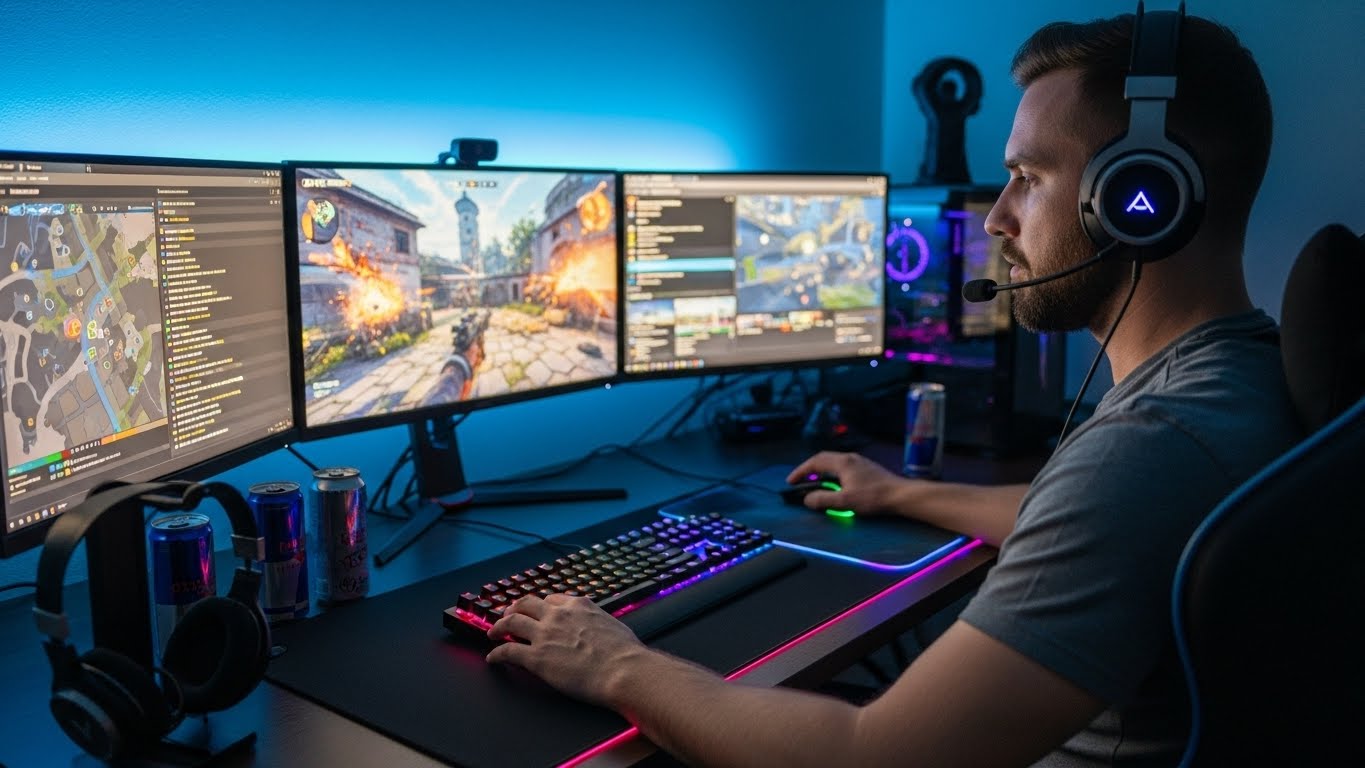
Gaming is no longer a solitary hobby—it’s a shared experience that connects millions worldwide. Platforms like Discord, Twitch, and in-game chats have turned gaming into a vibrant social ecosystem.
Communities and Connection
Players form tight-knit communities around specific games, creating friendships, rivalries, and shared memories. Multiplayer games such as Fortnite, Minecraft, and Among Us have become virtual meeting grounds where people play, chat, and even celebrate events.
Gaming also plays a major role in online identity. Avatars, skins, and customizations allow players to express themselves creatively. Virtual worlds like those in Roblox and Second Life blur the lines between social networks and gaming environments.
The Psychological and Educational Impact of Gaming
Contrary to outdated stereotypes, gaming is not merely a distraction—it can stimulate the brain, enhance problem-solving skills, and even teach empathy.
Cognitive Benefits
Research has shown that gaming improves spatial awareness, multitasking, and decision-making. Strategy and puzzle games, for instance, require planning, memory, and adaptability. Even fast-paced shooters demand concentration and reflex training.
Emotional and Social Learning
Narrative-driven games can also teach empathy by putting players in others’ shoes. Titles like Life Is Strange and The Last of Us explore deep moral choices and emotional consequences, allowing players to experience complex human emotions in interactive form.
Games are increasingly used in therapy and education, helping people learn languages, cope with anxiety, and build teamwork skills.
The Business of Gaming
The gaming industry is now one of the most profitable entertainment sectors in the world. It generates hundreds of billions annually and continues to expand through mobile gaming, digital marketplaces, and live services.
The Power of Mobile Gaming
Smartphones have turned gaming into an everyday activity. Mobile titles like Clash of Clans, Candy Crush, and Genshin Impact reach audiences who may never touch a console or PC. The accessibility of mobile gaming ensures that anyone, anywhere, can experience games.
Streaming and Content Creation
Platforms that allow players to stream or create gaming content have created a new economy. Streamers, YouTubers, and esports professionals earn livelihoods from gaming, influencing millions of fans. This has transformed gaming from a hobby into a career path for many.
Challenges and Controversies
While gaming has achieved incredible success, it’s not without issues.
Addiction and Overuse
Gaming addiction has become a growing concern, particularly among younger players. Excessive screen time can lead to sleep problems, social isolation, and academic challenges. Balance is crucial—games should entertain and enrich, not consume life entirely.
Toxicity and Online Harassment
Online spaces can sometimes foster toxic behavior, including harassment and discrimination. Developers and communities are working to combat these issues with stricter moderation tools and inclusive design philosophies.
Microtransactions and Ethics
The rise of in-game purchases and loot boxes has sparked debate over fairness and consumer protection. While these systems fund ongoing game development, they can also exploit players through pay-to-win mechanics. The industry continues to grapple with how to balance profitability and integrity.
The Future of Gaming
As technology continues to evolve, so does gaming. The next frontier may involve artificial intelligence, neural interfaces, and even more realistic simulations of life.
AI-Driven Experiences
Artificial intelligence is already shaping how games adapt to player behavior. In the future, AI could create personalized worlds that respond dynamically to every decision, making no two playthroughs the same.
The Metaverse Concept
The idea of a shared, persistent virtual world—often called the metaverse—is gaining traction. In such worlds, players could work, play, and socialize seamlessly across platforms. Gaming is expected to play a central role in building this interconnected digital universe.
Sustainability and Accessibility
Developers are also focusing on sustainability—creating greener technology and inclusive design for players with disabilities. Accessibility features such as adaptive controllers, subtitles, and colorblind modes ensure that everyone can enjoy gaming regardless of physical or cognitive limitations.
Conclusion
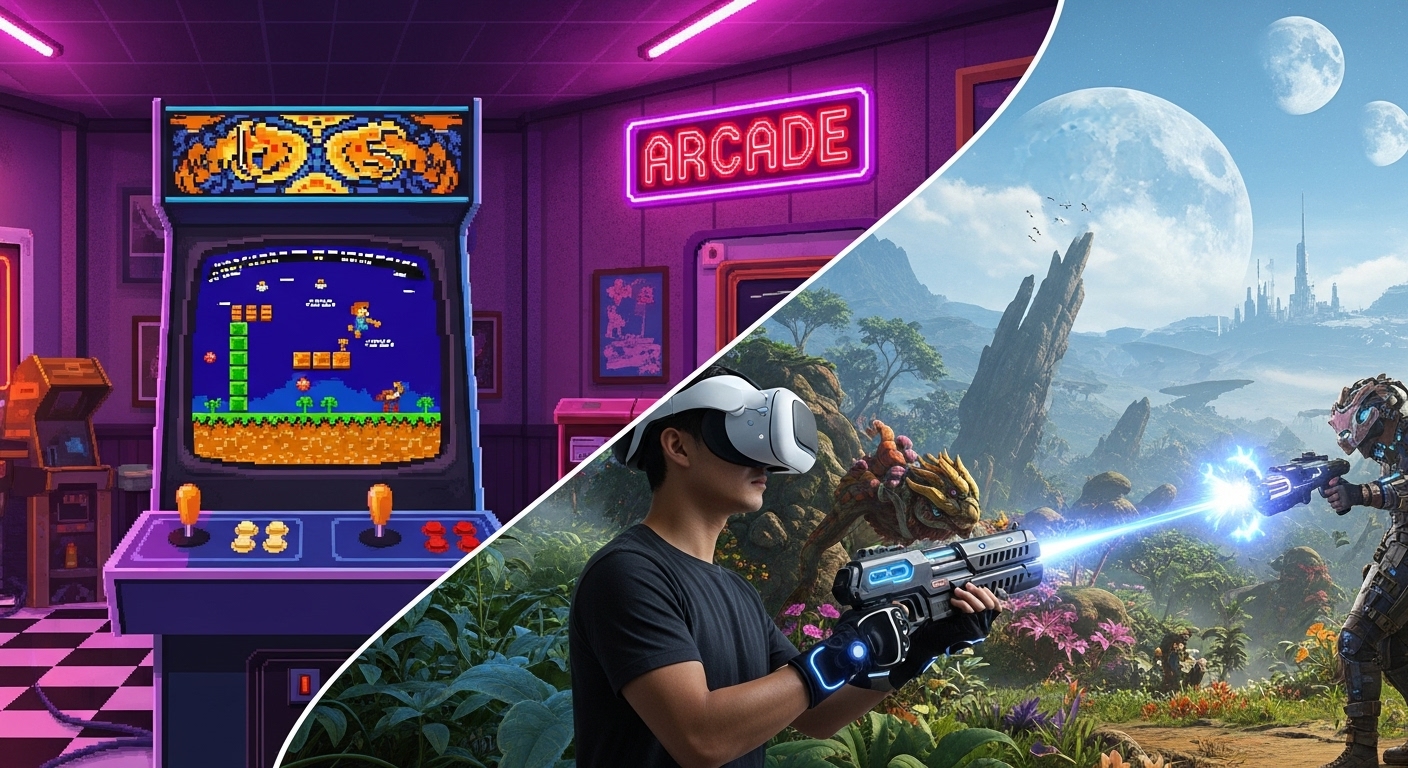
From the beeping arcades of the 1970s to the sprawling virtual landscapes of today, gaming has grown into a dynamic and influential part of modern culture. It’s not just about entertainment—it’s about creativity, connection, and innovation.
Gaming tells stories, builds communities, and challenges us to think, feel, and explore in ways no other medium can. As technology continues to advance, the line between reality and the virtual world will blur even further, but one thing remains certain: gaming will always be at the heart of human imagination and play.
In the end, gaming is more than pixels or polygons—it’s a reflection of who we are, what we dream of, and how we connect with the world around us. The next level of gaming’s journey is just beginning, and we are all players in this ever-evolving story.