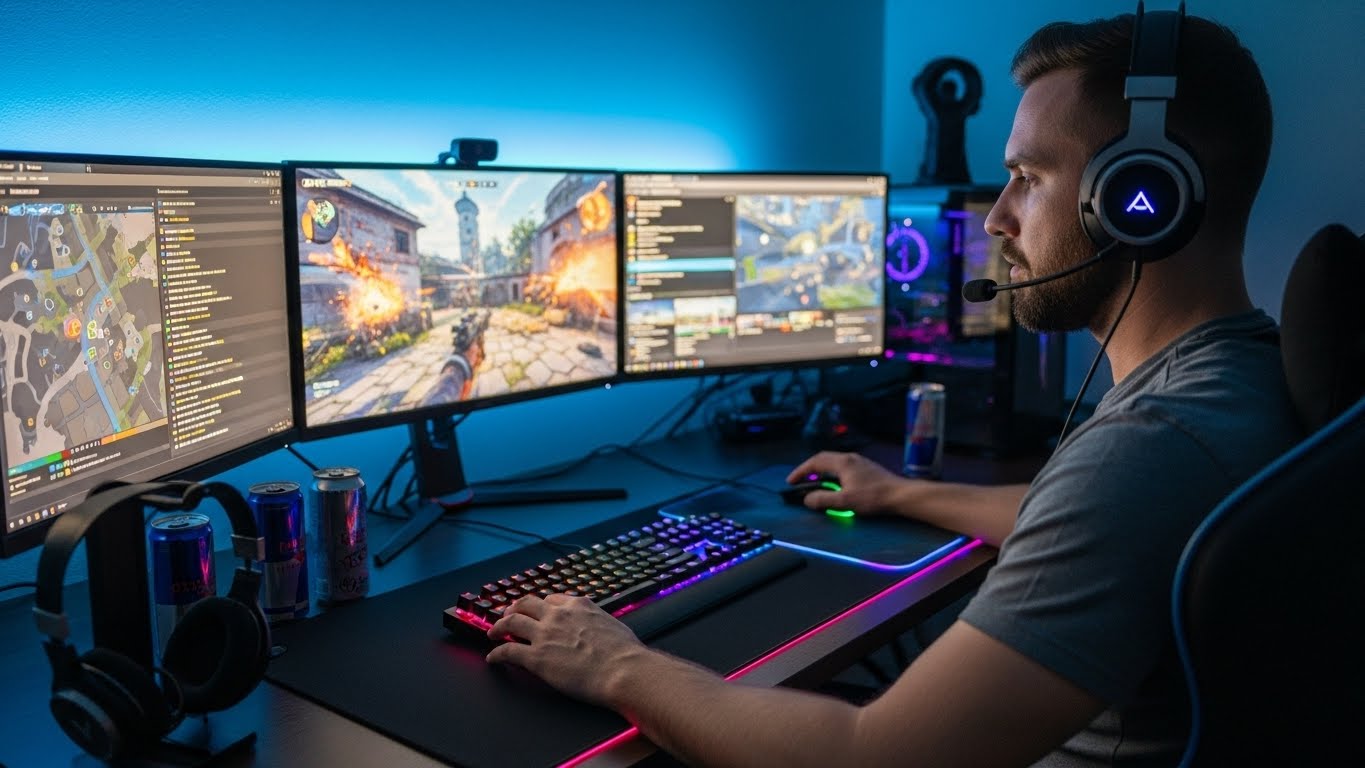
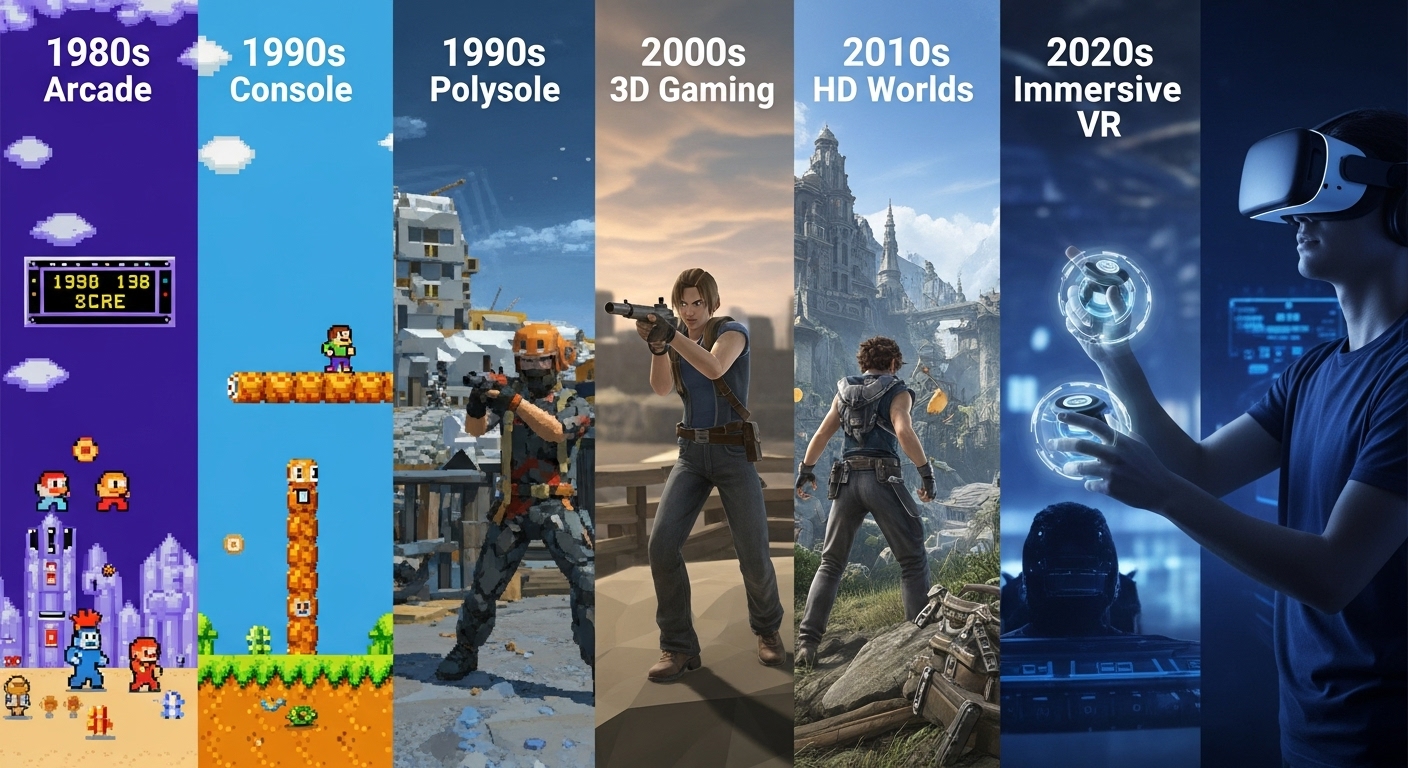
Gaming is no longer just a pastime—it has evolved into a cultural phenomenon, an art form, and even a competitive sport that spans the globe. From simple pixelated screens to hyper-realistic virtual realities, the world of gaming has seen remarkable transformations over the decades. This blog delves into the evolution of gaming, its impact on society, and why it continues to captivate millions of players worldwide.
The Early Days of Gaming
The story of gaming begins in the 1970s, a period marked by the birth of video games as we know them today. Games like Pong, a simple two-dimensional table tennis simulation, introduced players to interactive entertainment in a way that had never been experienced before. These early games were not just about entertainment; they were revolutionary in demonstrating that digital interaction could provide fun and engagement.
Arcades became social hubs where players would gather to challenge each other, testing their skills against friends and strangers alike. The concept of high scores fostered a sense of achievement and competition that remains at the core of gaming culture even today.
The Rise of Home Consoles
As technology advanced, gaming transitioned from arcades to homes. The late 1970s and early 1980s saw the release of the first home consoles, such as the Atari 2600. These consoles allowed players to enjoy games without leaving the comfort of their homes, marking a major shift in the accessibility of gaming.
With home consoles, storytelling began to emerge as a significant aspect of games. Titles like Adventure and The Legend of Zelda demonstrated that games could offer rich narratives, challenging players not just with reflexes but with strategy and problem-solving.
Gaming in the 1990s: The Age of Innovation
The 1990s brought a wave of innovation in both graphics and gameplay. The introduction of 16-bit and 32-bit consoles, such as the Super Nintendo Entertainment System (SNES) and Sega Genesis, allowed for more complex and visually appealing games. Players could now explore expansive worlds, enjoy more dynamic soundtracks, and engage with characters that felt alive and memorable.
This era also witnessed the birth of some of the most iconic franchises in gaming history. Games like Final Fantasy, Sonic the Hedgehog, and Street Fighter became household names. The 1990s also marked the beginning of multiplayer gaming, setting the stage for the online experiences that dominate the industry today.
The PC Revolution
While consoles dominated living rooms, personal computers opened up a new frontier for gaming. The flexibility of PCs allowed for more complex simulations, strategy games, and role-playing games that were difficult to replicate on consoles. Titles like Civilization, Doom, and Warcraft showcased the potential of PCs as gaming powerhouses.
PC gaming also gave rise to a vibrant modding community, where players could create custom content and modify games to suit their preferences. This collaborative aspect of PC gaming helped cultivate a passionate and creative player base, further cementing gaming’s role as an interactive and immersive art form.
The Birth of Online Gaming
The early 2000s witnessed the dawn of online gaming, which fundamentally changed how people played and connected. Multiplayer online games such as Counter-Strike and World of Warcraft allowed players to interact, cooperate, and compete with others across the globe. This era gave rise to gaming communities, clans, and even competitive tournaments that could attract thousands of viewers.
Online gaming also brought with it new challenges, such as latency issues, cheating, and toxic behavior. Yet, the benefits of global connectivity and collaborative play outweighed the drawbacks, creating a new social dimension to gaming that continues to thrive today.
Mobile Gaming: Gaming in Your Pocket
The introduction of smartphones brought gaming to an unprecedented level of accessibility. With devices like iPhones and Android phones, anyone could play games anytime, anywhere. Mobile gaming popularized casual games that were easy to pick up but hard to master, appealing to audiences who may not have considered themselves traditional gamers.
Games like Angry Birds, Candy Crush, and Pokémon GO captured global attention, proving that gaming could be both mainstream and highly profitable. Mobile gaming also demonstrated the power of microtransactions and freemium models, which have become central to the modern gaming economy.
Virtual Reality and Immersive Experiences
Virtual reality (VR) represents the cutting edge of gaming technology, offering experiences that fully immerse players in digital worlds. With VR headsets and motion-tracking technology, players can interact with games in ways that feel incredibly real. Titles like Beat Saber and Half-Life: Alyx showcase the potential of VR to transform gaming into a physically engaging and deeply immersive experience.
While VR is still emerging and faces challenges such as high costs and motion sickness, its potential for the future is enormous. It opens doors not only for entertainment but also for education, therapy, and social interaction in virtual environments.
The Competitive World of Esports
Esports has transformed gaming from a solitary or casual activity into a professional sport. Competitive gaming tournaments now fill arenas and attract millions of viewers online, with players earning substantial incomes through prize money, sponsorships, and streaming deals.
Games like League of Legends, Dota 2, and Fortnite dominate the esports scene. The rise of esports has also highlighted the need for skill, strategy, teamwork, and mental endurance, proving that gaming requires as much dedication and training as traditional sports.
Gaming as a Cultural Force
Beyond entertainment, gaming has become a powerful cultural force. Games are now a medium for storytelling, artistic expression, and social commentary. Titles like The Last of Us, Bioshock, and Journey explore complex themes such as morality, identity, and society, rivaling literature and cinema in depth and emotional impact.
Gaming also influences other forms of media, inspiring movies, books, music, and fashion. Cosplay, conventions, and fan art showcase the creativity and passion of gaming communities, making gaming a vibrant cultural phenomenon.
Psychological and Social Impacts
Gaming offers numerous psychological benefits, including improved cognitive skills, problem-solving abilities, and hand-eye coordination. Multiplayer and cooperative games foster social interaction and teamwork, allowing players to build friendships and communities.
However, it’s important to acknowledge potential drawbacks, such as gaming addiction, social isolation, and exposure to toxic behavior. Striking a balance between gaming and other aspects of life ensures that the hobby remains healthy and enjoyable.
The Future of Gaming
The future of gaming promises even more exciting innovations. Artificial intelligence could create dynamic game worlds that adapt to player behavior, while cloud gaming may allow instant access to high-quality games without the need for expensive hardware. Augmented reality could blend real and digital worlds, creating experiences that feel magical and interactive.
Moreover, gaming will likely continue to expand its cultural influence, shaping art, entertainment, education, and social interaction in ways we can only imagine. The boundary between reality and gaming will blur, making digital experiences an integral part of our daily lives.
Conclusion
Gaming has come a long way from its humble beginnings in arcades and early consoles. It has evolved into a multifaceted phenomenon that entertains, challenges, and connects people worldwide. Whether through competitive esports, immersive VR experiences, or casual mobile games, gaming continues to captivate and inspire.
The journey of gaming is far from over. With technological advancements and the creative potential of players and developers, the future of gaming promises even richer, more immersive experiences. One thing is certain: gaming is no longer just a pastime—it is a dynamic and influential part of modern culture, and its impact will continue to grow for generations to come.