Introduction: The Ever-Changing Landscape of Gaming
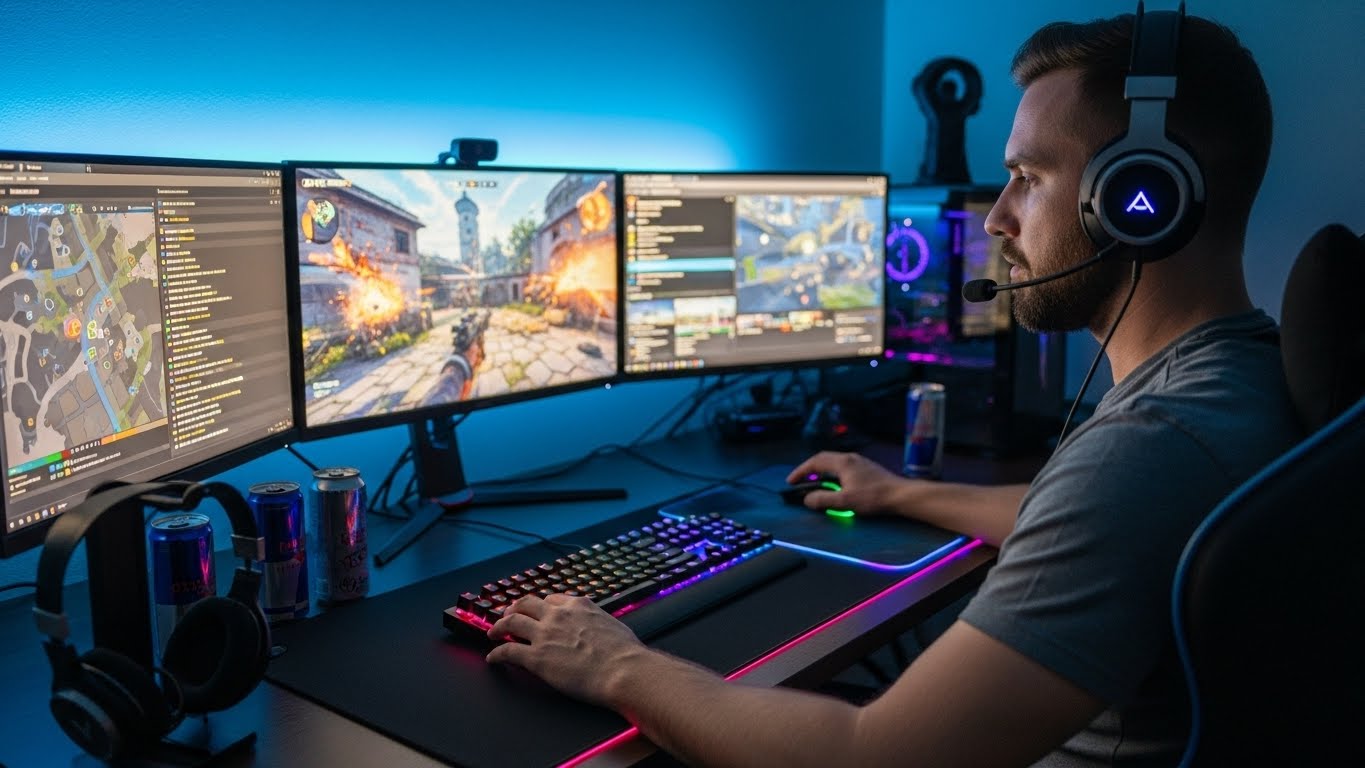
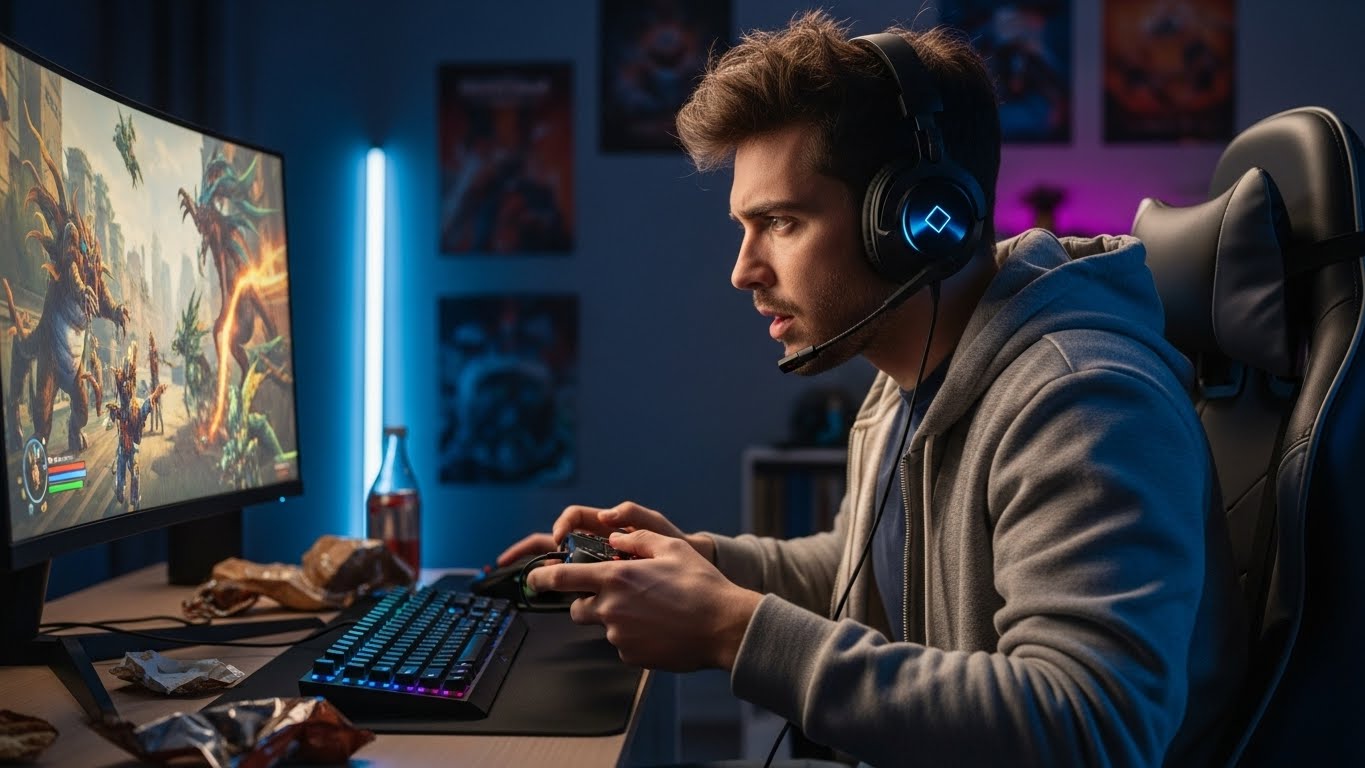
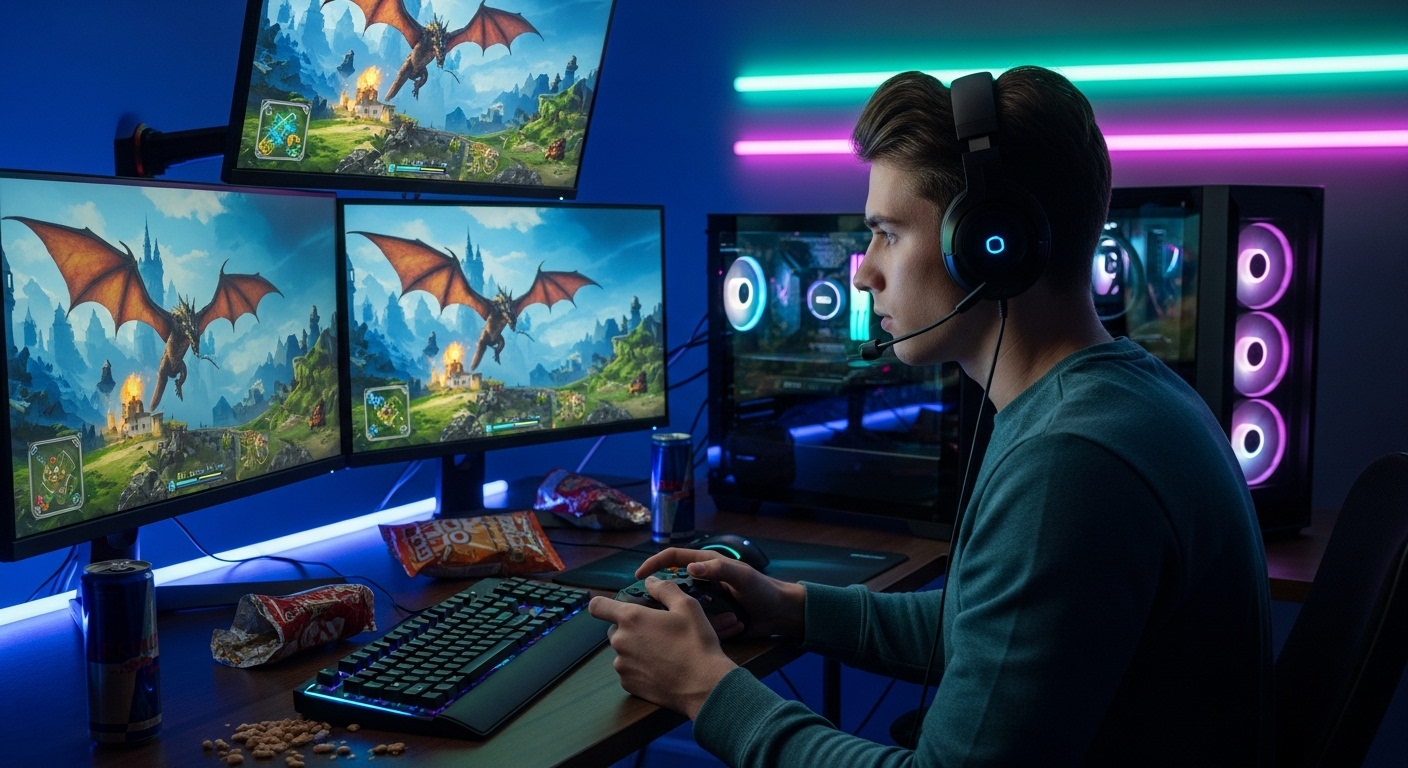
Gaming has evolved from a simple pastime into a dynamic and powerful force in global culture. From the pixelated characters of the early arcade games to the visually stunning open worlds of modern titles, the gaming industry has undergone a tremendous transformation. What was once a hobby for a small group of enthusiasts has now become one of the most influential entertainment mediums worldwide, with billions of people gaming across all demographics. But how did we get here, and where is gaming headed? In this blog post, we will explore the journey of gaming, how it has evolved over time, and what innovations lie ahead for the gaming community.
The Birth of Gaming: From Arcades to Consoles
The origins of gaming can be traced back to the 1970s when arcade machines like Pong introduced the world to video games. Simple, yet addictive, these early games laid the foundation for what would become a global industry. However, it wasn’t until the 1980s, with the advent of home consoles like the Nintendo Entertainment System (NES) and the Sega Genesis, that gaming entered mainstream culture.
The 8-bit and 16-bit graphics of the era were revolutionary for their time, offering players the ability to experience immersive worlds and characters within the comfort of their own homes. Games like Super Mario Bros., The Legend of Zelda, and Sonic the Hedgehog became cultural touchstones, introducing iconic characters that are still beloved today. This era marked the beginning of gaming’s transition from a niche hobby to a mainstream form of entertainment, with dedicated fanbases and an expanding market.
The Rise of 3D Graphics and PlayStation Revolution
The 1990s brought about a monumental shift in gaming with the introduction of 3D graphics. The release of the Sony PlayStation in 1994 was a game-changer. For the first time, players could experience fully realized three-dimensional environments, a feat that had previously been impossible on previous hardware. Titles like Final Fantasy VII, Gran Turismo, and Metal Gear Solid were groundbreaking, offering not just improved graphics but also more intricate stories, advanced gameplay mechanics, and cinematic cutscenes.
This period also saw the rise of PC gaming, with iconic games such as Half-Life and StarCraft pushing the boundaries of multiplayer experiences. The combination of more powerful hardware and better game design allowed developers to create worlds that were richer, more expansive, and more interactive than ever before. The 1990s laid the groundwork for what we now see as the modern gaming experience, blending high-quality graphics with deep storytelling and social connectivity.
Online Multiplayer and the Explosion of Esports
As internet connectivity became more widespread in the early 2000s, online multiplayer gaming took center stage. World of Warcraft (WoW), released in 2004, became a cultural phenomenon, bringing together millions of players in a massive online world where they could team up, raid dungeons, and engage in epic battles. This opened the door for the rise of competitive online gaming, which would later evolve into the multibillion-dollar esports industry.
Games like Counter-Strike, League of Legends, and Overwatch turned competitive gaming into a global sport, with professional leagues, sponsorships, and live-streamed tournaments drawing in millions of viewers. Platforms like Twitch and YouTube Gaming helped to fuel this growth by allowing gamers to share their experiences and build communities around their favorite games.
Esports has now become a legitimate career for many players, with large-scale tournaments offering prize pools that rival traditional sports. The rise of esports has not only changed the way people play games, but also how games are consumed, with live broadcasts and sponsorship deals becoming a major source of revenue for the industry.
Mobile Gaming: A Revolution in Accessibility
In the past decade, mobile gaming has exploded in popularity, becoming the most accessible and ubiquitous form of gaming. With the rise of smartphones, millions of people now have the power of gaming at their fingertips, allowing them to play anywhere, anytime. Casual games like Candy Crush and Angry Birds took the world by storm, offering simple yet addictive gameplay that could be enjoyed in short bursts.
More recently, games like Pokémon GO and Fortnite have demonstrated that mobile gaming isn’t just about simple puzzles and quick entertainment. These games incorporate real-world elements, encourage social interaction, and even promote physical activity, proving that mobile gaming is a force to be reckoned with.
Mobile gaming has brought gaming to a wider audience, including people who may never have considered themselves gamers before. It has also opened the door for indie developers to create innovative, smaller-scale games that can reach millions of players without the need for expensive hardware or distribution channels.
Virtual Reality (VR) and Augmented Reality (AR): The Future of Immersion
Virtual Reality (VR) and Augmented Reality (AR) are the next frontiers in the gaming world. VR, with devices like the Oculus Rift, HTC Vive, and PlayStation VR, allows players to step into fully immersive 3D environments where they can interact with the world around them using hand controllers or even body movements. Games like Beat Saber and Half-Life: Alyx showcase VR’s potential to offer truly immersive experiences, where players feel as though they are physically inside the game.
AR, on the other hand, overlays digital content onto the real world, creating hybrid experiences. Pokémon GO is perhaps the most famous example of AR gaming, where players interact with virtual creatures that appear in real-world locations through their phone’s camera. As AR technology improves, we can expect even more innovative gaming experiences that blend the physical and digital worlds seamlessly.
Both VR and AR hold the promise of transforming gaming by making it more interactive, immersive, and lifelike. As hardware becomes more advanced and affordable, these technologies are likely to become a staple of the gaming experience in the coming years.
The Rise of Streaming and Cloud Gaming
Cloud gaming is the latest development to shake up the industry. Services like Google Stadia, Xbox Cloud Gaming, and NVIDIA GeForce Now are paving the way for a future where players don’t need expensive hardware to play the latest AAA games. Instead, they can stream games directly from the cloud to their device, whether it’s a smartphone, laptop, or smart TV.
The appeal of cloud gaming lies in its accessibility. Players no longer need to worry about upgrading their gaming PCs or consoles to keep up with new releases. All that’s needed is a fast internet connection. This opens up gaming to a wider audience, particularly in regions where high-end gaming hardware is expensive or hard to come by.
Cloud gaming also introduces the potential for cross-platform play, where players on different devices can compete or cooperate with each other in the same game. As internet infrastructure improves, cloud gaming is expected to become more reliable and offer faster response times, further blurring the line between different gaming platforms.
The Future of Gaming: What Lies Ahead?
As technology continues to advance, it’s clear that the future of gaming is exciting and full of potential. We are on the brink of breakthroughs that could change the way we experience games forever. With developments in AI, machine learning, and procedural generation, games may soon be able to adapt dynamically to player choices, creating truly unique experiences each time a player enters a game world.
We may also see the rise of more immersive, large-scale virtual worlds where players live out entire lives in-game, interacting with others in real-time and contributing to the world’s evolution. The line between gaming and other forms of entertainment, such as movies and television, will continue to blur, with more interactive storytelling experiences that offer branching narratives based on player choices.
The integration of blockchain and NFTs could also alter how we view digital ownership and in-game economies. This technology could allow players to truly own in-game items, skins, and assets, which could be traded or sold outside of the game’s ecosystem.
Conclusion: Gaming’s Bright Future
The world of gaming has come a long way, from the simple joys of arcade machines to the immersive, interactive experiences we enjoy today. As technology continues to push the boundaries of what’s possible, the future of gaming looks brighter than ever. Virtual reality, augmented reality, cloud gaming, and the rise of esports and mobile platforms are only the beginning of what promises to be an exciting evolution.
No matter what the future holds, one thing is certain: gaming will continue to be an essential part of our cultural landscape, offering entertainment, social connection, and creative expression for generations to come. The game is far from over—it’s just getting started.